
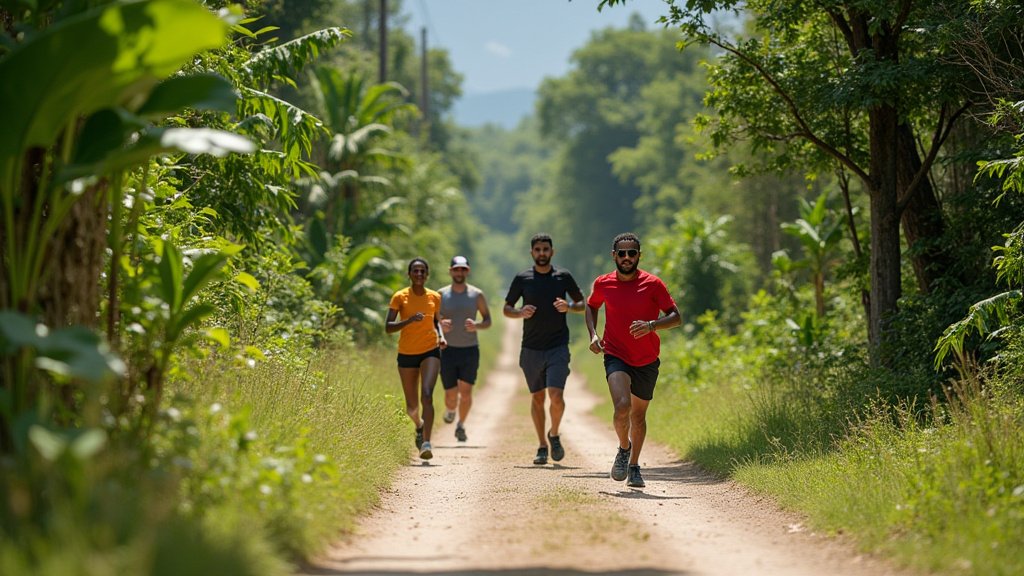
The Jamaican Forestry Department is set to host its inaugural 5k Urban Forest Run on Sunday, August 23, a strategic initiative designed to mobilize public support and funding for the urgent restoration of tree cover in western Jamaica. This event, which serves as a central pillar of the broader RE-LEAF (Reforestation, Ecological Enhancement and Landscape Framework) initiative, comes as a direct response to the ecological and structural damage inflicted by Hurricane Melissa during the previous year’s storm season. By merging community wellness with environmental stewardship, officials aim to replenish lost biodiversity while fostering a culture of long-term climate resilience.
Key Highlights
- Event Date: The 5k Urban Forest Run takes place on Sunday, August 23, aiming to engage community members and environmental advocates.
- Mission Critical: The run specifically supports the RE-LEAF initiative, focused on the post-Hurricane Melissa reforestation of western Jamaica.
- Ecological Impact: The initiative prioritizes the restoration of tree cover to prevent soil erosion and rebuild natural windbreaks against future storm systems.
- Community Engagement: Participants are not just running a race; they are active investors in the recovery of Jamaica’s unique urban and rural landscapes.
Strengthening the Canopy: A Path to Western Jamaica’s Ecological Revival
The upcoming 5k Urban Forest Run represents more than just a physical challenge for participants; it is a critical logistical and financial endeavor aimed at reversing the environmental degradation caused by Hurricane Melissa. When the storm swept through western Jamaica last year, it did more than damage infrastructure—it stripped away significant portions of the region’s canopy, leading to increased surface temperatures, soil instability, and a loss of habitat for local wildlife. The Forestry Department’s decision to spearhead this run is a recognition that recovery requires more than government intervention; it necessitates a collective, community-driven effort to replant and protect the island’s natural assets.
The Mechanics of the RE-LEAF Initiative
At the heart of this event is the RE-LEAF framework. This is a comprehensive, multi-year strategy aimed at rebuilding the country’s landscape through rigorous ecological assessment and targeted planting. The initiative focuses on native and climate-resilient tree species that can withstand the increased frequency and intensity of Atlantic hurricanes. Unlike generic tree-planting campaigns, the RE-LEAF program involves ongoing monitoring, ensuring that the saplings planted have a high survival rate. Revenue generated from the August 23 event will be funneled directly into the procurement of these saplings, the transport logistics, and the labor required for maintenance over the next two years.
Urban Forests and Heat Mitigation
The ‘Urban Forest’ aspect of the 5k run is particularly significant. Urban forestry is often overlooked, yet it is a primary defense against the Urban Heat Island (UHI) effect—a phenomenon where built-up areas experience higher temperatures than their rural surroundings. By prioritizing urban reforestation in western Jamaica, the Forestry Department is addressing a twofold issue: the immediate need for storm recovery and the long-term need for climate adaptation. Increased tree canopy in these areas will reduce cooling costs for residents, improve air quality, and provide vital shade, effectively making urban living more sustainable as global temperatures rise.
The Role of Citizen Science and Stewardship
The 5k run serves as an educational platform. The Forestry Department intends to use the event to raise awareness about the specific species being planted and the reasons behind these choices. For instance, the selection of root-strong trees capable of anchoring the soil is a direct response to the mudslides and erosion witnessed following Hurricane Melissa. Runners, families, and local businesses participating in the event will gain insight into how their contribution helps build a bio-shield around their communities. This creates a psychological shift, moving the community from passive observers of environmental change to active managers of their own local ecosystem.
Analyzing the Secondary Impacts
Beyond the primary objective of planting trees, the initiative touches on three critical areas of development:
1. Long-Term Climate Resiliency: By rebuilding the forest structure, the region is creating natural buffers that dissipate wind energy during future storms. This acts as an insurance policy for local housing and agricultural sectors, which are often the hardest hit by extreme weather.
2. Economic Potential of Agroforestry: Many of the sites slated for restoration under RE-LEAF are near agricultural zones. By incorporating fruit-bearing trees and sustainable timber species, the Forestry Department is potentially boosting future food security and income streams for local farmers once the canopy matures.
3. Watershed Protection: A major secondary benefit of restored forest cover in western Jamaica is the protection of watersheds. As trees absorb rainfall and filter groundwater, the health of the local water supply—often compromised during the heavy sedimentation that follows intense storm-driven deforestation—is improved.
As the date for the 5k Urban Forest Run approaches, the Forestry Department remains focused on the logistics of the event and the broader goal of long-term monitoring. The success of this initiative will be measured not just by the number of runners at the starting line, but by the density and health of the forest canopy in western Jamaica five to ten years from now. It is a marathon of restoration, and the August 23 event is just the first step.
FAQ: People Also Ask
Q: How do the funds from the 5k Urban Forest Run translate into actual trees?
A: The Forestry Department earmarks registration fees and associated sponsorships directly for the RE-LEAF initiative. These funds cover the entire lifecycle of a tree, from nursery propagation and transportation to the specific site, to the labor required for planting and a two-year post-planting monitoring phase to ensure survival.
Q: Can I volunteer for the planting process, or is it only for the run?
A: While the 5k run is a fundraising and awareness event, the Forestry Department frequently hosts ‘Planting Days’ in conjunction with the RE-LEAF program. Participants are encouraged to sign up for these follow-up activities at the department’s registration booth during the race.
Q: Why was the 5k format chosen for this initiative?
A: The 5k format is highly accessible to a wide range of ages and fitness levels, allowing for maximum community participation. By creating an event that is inclusive, the Forestry Department ensures that environmental stewardship is seen as a shared responsibility rather than an elite or niche pursuit.
Q: How does the RE-LEAF initiative handle long-term maintenance of the new trees?
A: The framework includes a dedicated maintenance budget. Unlike one-off campaigns that often suffer from high sapling mortality rates, RE-LEAF utilizes a data-driven approach to track the progress of planted areas, providing periodic updates to the public and stakeholders on canopy growth percentages.