
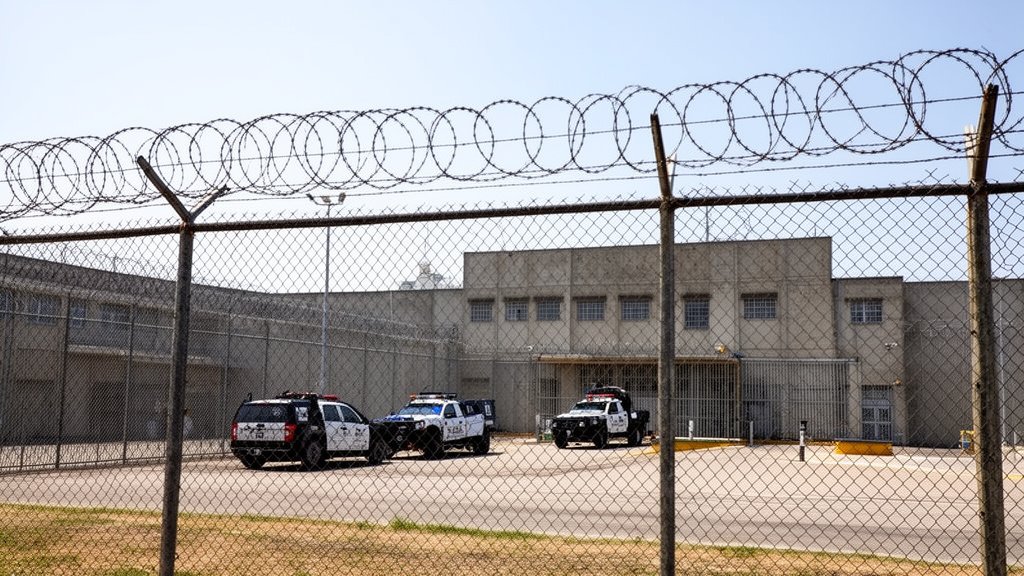
A catastrophic prison riot at the El Castillo Penitentiary in Mazatlán, Sinaloa, has left 10 individuals dead and 16 others injured, marking a grim escalation in the regional struggle for control within Mexican correctional facilities. The violent unrest erupted during scheduled family visiting hours, forcing prison staff to request emergency assistance. The situation was eventually stabilized following a decisive tactical intervention by elements of the Mexican Army and the National Guard, who moved to reclaim authority over the facility.
Key Highlights
- Casualties: 10 confirmed fatalities and 16 individuals sustaining injuries requiring medical attention.
- Location: El Castillo Penitentiary in Mazatlán, a major city within the violence-plagued state of Sinaloa.
- Timing: The violence broke out during family visiting hours, creating a high-risk environment for both inmates and visitors.
- Security Response: Order was restored through a coordinated operation involving the Mexican Army (SEDENA) and the National Guard (Guardia Nacional).
The Crisis at El Castillo: Analyzing the Sinaloa Security Collapse
The incident at El Castillo Penitentiary is more than a localized disturbance; it is a symptom of the persistent security challenges facing Sinaloa, a state historically synonymous with the influence of powerful cartel organizations. When a prison facility descends into chaos, especially during the high-traffic window of visiting hours, it exposes profound systemic fractures within the management and containment protocols of the regional penal system.
The Anatomy of the Riot: Escalation During Visiting Hours
Prisons in Mexico often function as microcosms of the violent conflicts occurring on the streets. By initiating the riot during family visiting hours, the perpetrators intentionally maximized the volatility of the situation. This timing is a strategic tactic designed to complicate the response of law enforcement and prison guards, as they must balance the suppression of an armed riot with the immediate safety of civilians present in the facility.
The rapid escalation from a localized disagreement to a deadly confrontation suggests a pre-existing state of tension within the cell blocks. Reports indicate that the environment rapidly spiraled out of control, necessitating a shift from internal administrative containment to a large-scale military and federal security operation. This transition highlights a recurring theme in Mexican prison management: the inability of local custodial staff to handle organized violence without external force from federal branches like the National Guard.
Institutional Vulnerability and Cartel Influence
To understand the gravity of the El Castillo event, one must look at the broader context of Sinaloa’s security landscape. For years, the state has struggled to maintain an iron grip on its penitentiaries, which are frequently infiltrated by the influence of local criminal organizations. The ability of inmates to coordinate a riot of this magnitude suggests access to contraband, including improvised weapons, and the existence of organized hierarchies within the prison walls that operate independently of official state control.
This lack of effective institutional control is a primary driver of violence. When the state fails to monopolize power within its own facilities, it creates a vacuum that is inevitably filled by the very criminal elements the system is designed to contain. This incident serves as a stark reminder that as long as the structural integrity of these facilities remains compromised by corruption and lack of resources, the risk of mass-casualty events remains high.
Federal Response: The Role of the National Guard
The deployment of the Mexican Army and the National Guard underscores the severity of the security breach. Standard procedure in such cases involves isolating the riot, protecting non-combatants, and neutralizing the threat to the facility’s integrity. The involvement of these federal entities indicates that local authorities were unable to contain the situation using standard municipal or state-level custodial forces.
While the federal intervention succeeded in bringing an end to the active violence, it also raises questions about long-term stability. Is it sustainable to rely on military intervention for internal prison management? Experts argue that while federal forces provide a necessary buffer in emergency scenarios, they are not a substitute for the fundamental reforms required to keep prisons secure and, crucially, to maintain the safety of visiting family members.
Looking Ahead: Prison Reform and Regional Security
For the families of those affected and the general public in Mazatlán, this riot is a devastating blow. The death of 10 individuals is a tragedy that will undoubtedly lead to investigations into the lapses in security that allowed the situation to occur. Furthermore, it adds pressure on the Sinaloa state government to reassess the security protocols at El Castillo. Future security strategies must address the intersection of cartel influence, inmate overcrowding, and the safety of the civilian population during visiting procedures. Without a comprehensive overhaul of these systems, the cycle of violence is likely to continue.
FAQ: People Also Ask
Q: What is the current status of the El Castillo Penitentiary?
A: As of the latest reports, the facility is under the control of federal and state security forces following the intervention of the Mexican Army and National Guard. The situation has been stabilized, and investigations are ongoing.
Q: How did the riot impact the visiting families at the prison?
A: The timing of the riot during family visiting hours presented a severe threat to non-inmate civilians. While the total casualty count is 10 dead and 16 injured, authorities have focused on clearing the facility and ensuring the safety of those present during the event.
Q: What is being done to prevent further violence in Sinaloa prisons?
A: Government officials are under pressure to implement stronger security protocols, including better screening for contraband and increased federal oversight. The incident has reignited calls for comprehensive prison reform in the state of Sinaloa.
Q: Why are prisons in Mexico often subject to these types of riots?
A: Mexican prisons often face structural issues such as overcrowding, understaffing, and the presence of organized criminal groups within the inmate population, all of which contribute to a high risk of violent outbursts.