
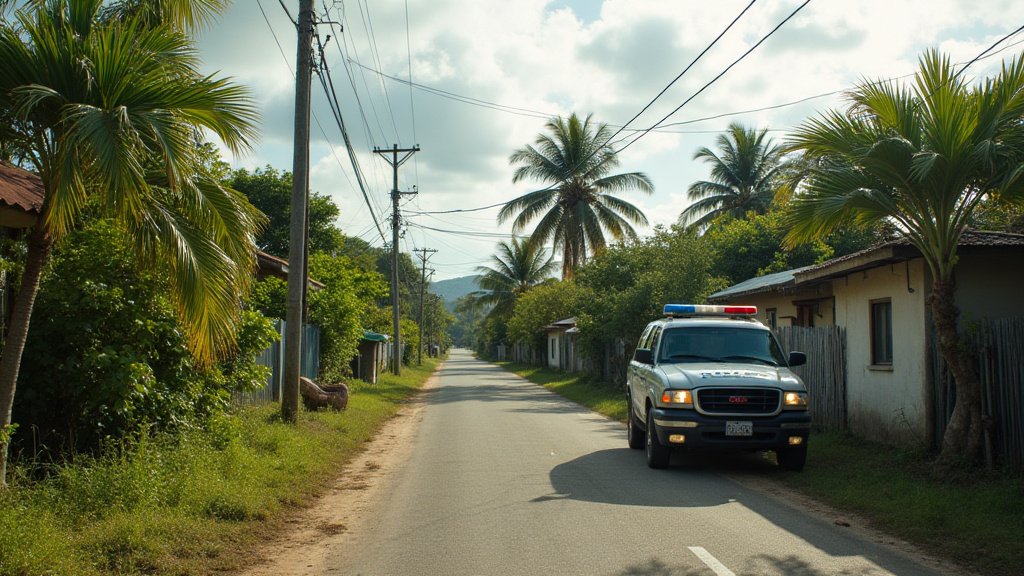
A 13-year-old boy in Bog Walk, St. Catherine, remains in the spotlight after a vicious machete attack at his home resulted in his hand being severed. The incident has sent shockwaves through the community, prompting an urgent response from the Jamaica Constabulary Force (JCF), who have successfully detained a suspect connected to the incident. This violent episode highlights the growing concern over the safety of minors in rural residential areas and the persistent challenge of interpersonal violence in the region.
Key Highlights
- Brutal Incident: A 13-year-old male was targeted in an act of extreme violence within the sanctuary of his own home in Bog Walk, St. Catherine, resulting in the severance of his hand.
- Swift Police Action: The Jamaica Constabulary Force (JCF) responded to the scene, launching an immediate investigation that resulted in the successful apprehension of a suspect currently in police custody.
- Community Impact: The horrific nature of the assault has caused significant distress and fear among local residents, drawing urgent calls for enhanced security measures and neighborhood watch initiatives.
- Ongoing Investigation: Authorities are currently processing evidence and gathering statements to determine the motive behind the attack and ensure that the legal proceedings move forward with full accountability.
A Community in Shock: Anatomy of the St. Catherine Machete Assault
The tranquility of the Bog Walk community in St. Catherine was shattered by a gruesome act of violence that has left a minor with life-altering injuries. While domestic and neighborhood disputes are not uncommon, the severity of this specific incident—involving a machete and the severance of a 13-year-old child’s hand—has forced a national conversation regarding the escalation of violence in parish-level residential zones. The incident did not occur in a public thoroughfare but within the victim’s home, the one place intended to provide safety, thereby elevating the public perception of vulnerability.
The Role of the Jamaica Constabulary Force (JCF)
Following the alert, the Jamaica Constabulary Force (JCF) prioritized the case, acknowledging the sensitive nature of a crime involving a child. The speed with which the suspect was identified and detained is a testament to the local police division’s commitment to containing the immediate threat. Police investigators are currently working to piece together the sequence of events leading up to the attack. Initial reports suggest that the confrontation escalated rapidly, but the precise trigger remains under investigation. The JCF has reiterated its dedication to upholding the rule of law and ensuring that the victim’s family receives both justice and support during this harrowing period. The suspect remains in custody as authorities build a case that will likely involve charges related to grievous bodily harm and wounding with intent.
Analyzing the Trauma and Societal Response
Beyond the physical trauma—which is immense for a victim of such a young age—the psychological impact on the Bog Walk community is significant. When a child is targeted, the social fabric of a community is strained. Residents are forced to grapple with the reality that their environment may not be as secure as previously believed. Mental health professionals are advocating for immediate counseling interventions for the victim and his family, recognizing that the journey to recovery will be both physical and emotional. In Jamaica, the Child Protection and Family Services Agency (CPFSA) often steps in during such high-profile incidents involving minors to ensure that the state provides a safety net, both for the recovery of the child and to assess the environment for future risks.
Systemic Issues and Future Security
This incident forces a broader look at the persistence of machete-related violence in rural and semi-rural settings. Machetes, which are common agricultural tools, are frequently weaponized in interpersonal disputes in St. Catherine. The recurrence of such incidents prompts the question: How do we mitigate violence in areas where access to weapons—even those categorized as agricultural tools—is ubiquitous? Policy analysts suggest that the solution is multifaceted: it requires more than just increased police patrols. It necessitates economic investment in youth programs, conflict resolution training at the school level, and stricter community monitoring of domestic tensions before they erupt into physical violence. The Bog Walk attack is a stark reminder that until these systemic issues are addressed, children remain at the front line of risks associated with local disputes.
FAQ: People Also Ask
Q: What is the current status of the suspect involved in the Bog Walk attack?
A: The Jamaica Constabulary Force (JCF) has successfully detained the suspect. They are currently in police custody, and the investigation is ongoing to prepare the file for the prosecution process.
Q: Is the victim receiving support for his injuries?
A: Yes, the victim is receiving medical attention for the severe injuries sustained during the attack. The community and potentially state agencies like the CPFSA are being monitored to ensure adequate support for the child’s rehabilitation.
Q: Why are machetes so commonly involved in violent incidents in this region?
A: Machetes are essential agricultural tools in rural Jamaica, making them widely accessible. Unfortunately, this ubiquity makes them the weapon of choice in impulsive or premeditated interpersonal conflicts, creating a significant public safety challenge.