
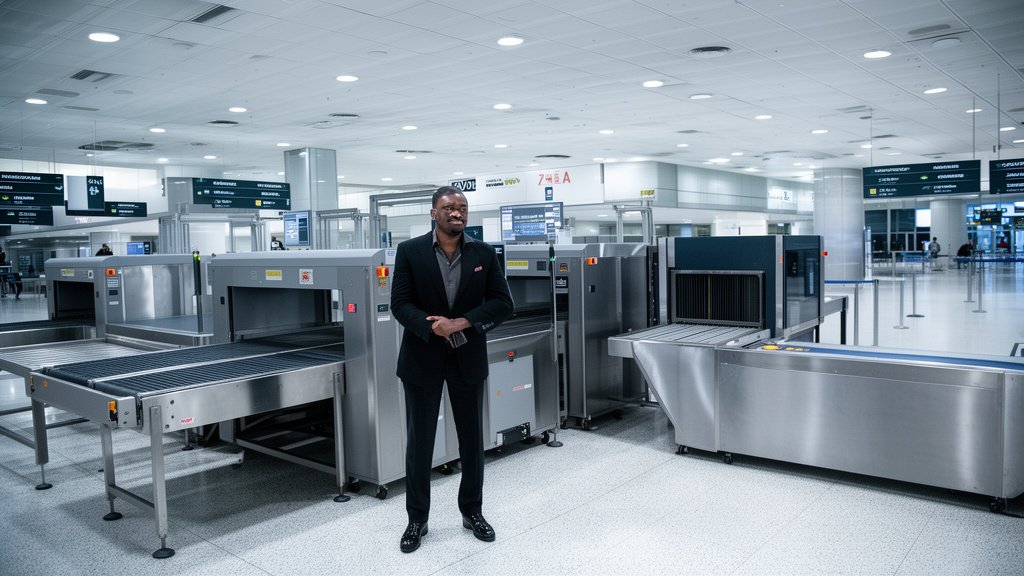
In a significant development for aviation security in the Caribbean, authorities at the Norman Manley International Airport (NMIA) in Kingston, Jamaica, successfully interdicted a major drug trafficking attempt this week. The operation, led by the Narcotics Division of the Jamaica Constabulary Force (JCF), resulted in the arrest of two individuals, including a flight attendant, following the discovery of more than nine kilogrammes of cocaine concealed within their possession. This incident has reignited concerns regarding “insider threats” within the aviation industry and the integrity of international transit protocols.
The Anatomy of the Seizure at NMIA
The operation, which took place at one of Jamaica’s primary aviation gateways, was the result of enhanced intelligence-led policing. According to official reports, the Narcotics Division had been monitoring suspicious patterns at the terminal when the two suspects were intercepted. The cocaine, weighing in excess of nine kilogrammes, was discovered during a security screening process that involved both physical search and state-of-the-art scanning technology.
The involvement of a flight attendant, an individual who typically operates within the highly vetted and trusted perimeter of aviation personnel, marks this case as particularly egregious. Flight crews undergo rigorous background checks and are granted special access to secure areas, making any breach of this trust a focal point for airport security authorities. The second individual, believed to be an accomplice, was apprehended alongside the flight attendant, suggesting a coordinated effort to bypass standard security checkpoints.
The Persistent Challenge of Insider Threats
The aviation industry globally has long grappled with the concept of the “insider threat.” While airports invest billions in hardening perimeters, screening passengers, and utilizing K9 units, the human element remains the most significant vulnerability. Flight attendants, ground crew, and baggage handlers are essential cogs in the aviation machine, yet they are also high-value targets for transnational organized crime syndicates.
Drug cartels often seek to recruit employees who have the “green light” to move through security lanes with less scrutiny. This NMIA case serves as a stark reminder that even the most stringent airport security apparatus is only as strong as the integrity of the staff operating within it. The JCF’s Narcotics Division has consistently stated that they are heightening vigilance regarding airport staff, moving away from a passenger-only focus to a more holistic security screening model that encompasses every individual crossing the tarmac.
Impact on Regional Trafficking Routes
Jamaica has historically been a significant transshipment point for cocaine moving from South America to North American and European markets. The seizure of nine kilogrammes—a street value estimated in the hundreds of thousands of US dollars—is more than just a localized criminal incident; it is a tactical setback for smuggling networks.
Experts in transnational organized crime note that such seizures often indicate the failure of a specific route or network. When law enforcement successfully disrupts a supply chain involving aviation staff, it triggers a ripple effect, forcing syndicates to adjust their logistics, which often leads to mistakes elsewhere. This case highlights the interconnected nature of Caribbean aviation security, where the failure of one node at NMIA has implications for international flight safety and regional drug enforcement cooperation.
Legal Ramifications and the Dangerous Drugs Act
The suspects are currently being processed under Jamaica’s Dangerous Drugs Act. Given the significant quantity of the illicit substance involved, they face the prospect of lengthy incarceration. In Jamaica, the sentencing guidelines for the possession and attempted exportation of Class A narcotics are severe, designed to act as a deterrent for both local and international traffickers.
As the investigation continues, the focus will shift to whether the arrested individuals were acting alone or were part of a larger syndicate. Authorities are likely examining communication records, financial transactions, and previous travel logs to determine the extent of the trafficking network. The incident also puts pressure on the airline industry to review its internal security vetting processes, as the reputational damage for any carrier associated with such an arrest is substantial.
FAQ: People Also Ask
What are the penalties for drug trafficking at Jamaican airports?
Under the Dangerous Drugs Act of Jamaica, individuals caught attempting to export cocaine face severe penalties, including lengthy mandatory prison sentences and heavy fines. The courts consider the quantity of drugs, the suspect’s role in the operation, and any prior criminal history when determining the final sentence.
How do airports detect drugs on flight crew members?
Airports employ a multi-layered security approach, including K9 units, advanced X-ray scanning for carry-on luggage, random body scans, and intelligence-driven surveillance. Agencies like the JCF Narcotics Division frequently conduct “spot checks” on crew members to counter the insider threat phenomenon.
What is an ‘insider threat’ in aviation security?
An insider threat refers to an individual with legitimate access to secure areas—such as airline staff, contractors, or airport personnel—who uses that access to facilitate criminal activities, such as drug trafficking, human smuggling, or facilitating security breaches, thereby bypassing standard security layers.