
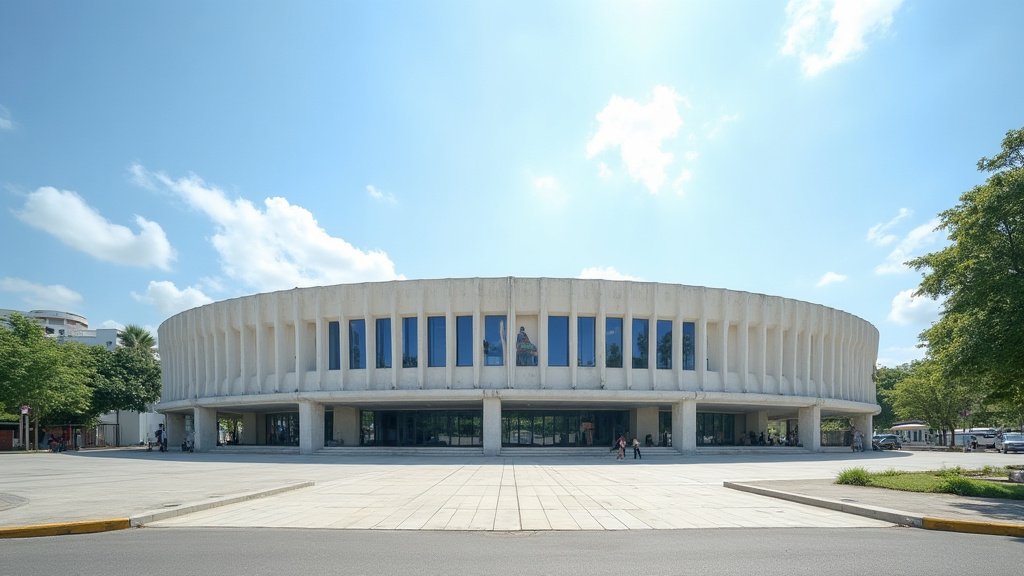
Jamaica is set to observe International Men’s Day (IMD) on November 19 with a concerted national effort to address the multifaceted health challenges facing men. Central to this year’s commemoration is the ‘Blue Stop’ Health and Wellness Fair, hosted at the National Arena in Kingston. This event serves as a strategic pivot in public health policy, aiming to move beyond awareness and into active, preventative care by bringing screenings, consultations, and mental health resources directly to the male population.
Key Highlights
- Date and Location: The ‘Blue Stop’ Health and Wellness Fair takes place on November 19 at the National Arena.
- Core Objective: The initiative is designed to dismantle barriers to healthcare, encouraging men to prioritize both physical and mental well-being through direct engagement.
- Holistic Approach: The fair integrates physical health screenings, such as prostate and cardiovascular checks, with essential conversations regarding mental health and suicide prevention.
- Government Integration: Organized under the auspices of the Ministry of Culture, Gender, Entertainment and Sport, the event underscores a national commitment to addressing the specific vulnerabilities of men in Jamaican society.
The Strategic Importance of the ‘Blue Stop’ Initiative
The implementation of the ‘Blue Stop’ Health and Wellness Fair represents a sophisticated approach to public health communication. By establishing a dedicated, recognizable space—the ‘Blue Stop’—the Jamaican government is creating a low-barrier, high-impact environment where men can access health services without the typical friction of traditional medical settings. The use of the National Arena as a venue is deliberate; it is a large-scale, accessible, and neutral ground, removing the clinical coldness that often keeps men from seeking preventative medical advice.
Historically, men’s health initiatives have struggled with engagement due to a variety of socio-cultural factors, including the traditional masculine stoicism that discourages expressing pain or seeking help. The ‘Blue Stop’ branding functions as a psychological gateway, transforming a medical check-up from a sign of ‘weakness’ into a badge of responsibility and strength. This shift in framing is essential for moving the needle on health outcomes in a country where men often present for medical treatment only when conditions have become critical or advanced. By prioritizing the ‘Blue Stop’ at the National Arena, the event organizers are effectively ‘meeting men where they are’—both physically and culturally.
Tackling the Silent Crisis of Male Mental Health
While physical screenings for prostate cancer, hypertension, and diabetes are foundational to the ‘Blue Stop’ mission, the inclusion of mental health services represents a crucial evolution. In the Caribbean context, as in many parts of the world, mental health remains a stigmatized subject for men. The pressure to conform to traditional roles of provider and protector often leaves little room for vulnerability, leading to suppressed trauma and, in extreme cases, higher rates of suicide among males.
At the National Arena this November 19, the fair will host dedicated zones for mental wellness, where attendees can engage with professionals in a manner that feels safe and private. By normalizing the conversation around mental health within the same space as physical health screenings, the organizers are signaling that the two are inextricably linked. The objective is to provide attendees with the tools to manage stress, recognize the symptoms of depression, and understand that seeking professional intervention is a strategic move for long-term productivity and family stability.
Institutionalizing Male Wellness: The Role of the Ministry
The success of International Men’s Day in Jamaica is heavily reliant on the strategic support of the Ministry of Culture, Gender, Entertainment and Sport (MCGES). This government body has recognized that a robust national health strategy cannot be complete if it overlooks the specific needs of the male demographic. The ministry’s involvement moves this beyond a grassroots effort and into the realm of national policy.
By leveraging governmental resources, the ‘Blue Stop’ initiative provides access to high-quality care that many might otherwise struggle to afford or access due to the logistical challenges of the healthcare system. The coordination of medical professionals, counseling services, and community outreach efforts under the umbrella of the ministry ensures that the initiative is sustainable and replicable. This is not merely a one-day event; it serves as a pilot framework for how public health outreach can be conducted to reach harder-to-engage demographics across the island.
Economic and Social Implications
There is an undeniable economic imperative for this focus on men’s health. The male workforce is a cornerstone of Jamaica’s economic infrastructure, and when men are sidelined by preventable illnesses or untreated mental health conditions, the entire economy feels the strain. A healthier male population leads to higher productivity, reduced burden on the public healthcare system for acute care, and stronger family units.
Furthermore, the social impact of promoting healthy, engaged, and mentally well men cannot be overstated. By encouraging a culture where health is a priority, the ‘Blue Stop’ initiative is helping to redefine modern masculinity in Jamaica—moving from a model of silent suffering to one of self-awareness and proactive management. This cultural shift, while gradual, is essential for the long-term prosperity of the nation. The message from the National Arena on November 19 will be clear: prioritizing health is the ultimate act of leadership and care for one’s self, one’s family, and the country at large.
FAQ: People Also Ask
What is the primary purpose of the ‘Blue Stop’ Fair?
The primary purpose is to provide accessible, high-quality health and mental wellness screenings to Jamaican men, encouraging them to prioritize preventative care and break down the stigma associated with seeking medical and psychological help.
Why is this event happening at the National Arena?
The National Arena was selected for its capacity and accessibility, serving as a neutral, large-scale venue that allows for a comprehensive ‘one-stop-shop’ experience for health services, making it easier for men to attend without feeling the clinical stigma of a hospital setting.
Does the initiative focus only on physical health?
No. While physical health screenings such as prostate checks and cardiovascular health assessments are vital, the initiative places a significant emphasis on mental well-being, including counseling and education on managing stress and emotional health.
How does this event impact the broader Jamaican healthcare landscape?
It shifts the focus from reactive healthcare to preventative care. By normalizing regular health checks, it aims to reduce the long-term burden on the national health system by catching conditions early, thereby improving health outcomes and economic productivity across the board.