
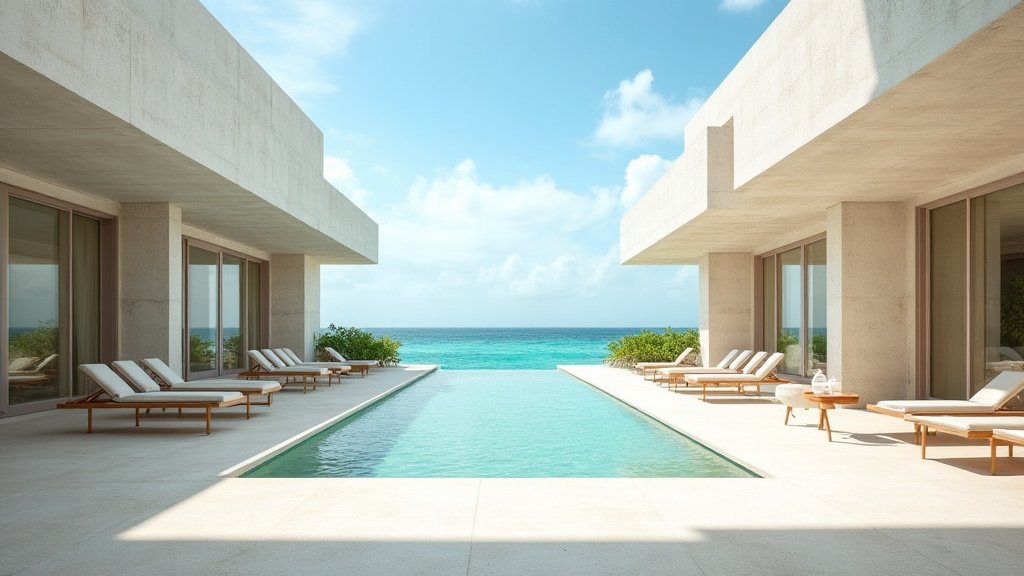
Sandals Resorts International has officially unveiled the revitalized Sandals South Coast in Jamaica, marking the successful completion of a landmark $200 million capital investment project. The expansive restoration, which focused on infrastructure modernization, room category diversification, and culinary innovation, signals a strategic pivot in the brand’s approach to the burgeoning luxury travel market in the Caribbean. By integrating state-of-the-art sustainability measures with high-end architectural design, the project serves as a blueprint for the future of regional hospitality.
Key Highlights
- $200 Million Investment: A comprehensive, multi-phase renovation project aimed at total infrastructure modernization.
- Culinary Expansion: Implementation of multiple new dining concepts, shifting from traditional buffet-heavy models to curated, chef-led a-la-carte experiences.
- Dutch Village Revamp: Major upgrades to room categories, focusing on modern aesthetics, expanded outdoor living spaces, and tech-integrated room features.
- Infrastructure Resilience: Hardened utility and structural systems designed to improve long-term resistance to regional climate volatility.
The Architecture of Caribbean Luxury: A Strategic Rebirth
The reopening of Sandals South Coast represents far more than a simple refurbishment; it is a fundamental reimagining of the property’s physical and operational footprint. Located in the heart of Jamaica’s Whitehouse region, the resort has historically relied on its secluded, pristine beachfront access. However, this $200 million capital infusion—led by Executive Chairman Adam Stewart—focuses on transforming the guest experience through the lens of “Luxury Included” 2.0.
The architectural strategy centered on dissolving the barriers between indoor and outdoor spaces. The updated Dutch Village, a hallmark of the property, now features suites that utilize a minimalist, airy aesthetic, favoring neutral palettes and locally sourced limestone. By expanding private balconies and terrace spaces, the resort addresses a growing post-pandemic demand for private, ventilated environments. Furthermore, the redesign prioritizes sightlines, ensuring that every room category maintains a direct or expansive view of the Caribbean Sea, a key value driver in luxury pricing models.
Culinary Evolution and the ‘Luxury Included’ Standard
Central to the renovation is a comprehensive overhaul of the resort’s culinary ecosystem. Moving away from standard all-inclusive expectations, Sandals has introduced high-concept dining establishments that prioritize localized sourcing and technical gastronomy. This shift is critical for the brand’s positioning against luxury boutique competitors. The inclusion of new, specialty restaurants—ranging from authentic Jamaican farm-to-table concepts to refined international fusion—is designed to increase guest dwell-time and spending within the resort property.
Industry analysts note that this strategy is not merely cosmetic. By investing in kitchen infrastructure capable of supporting higher-volume, gourmet-level service, Sandals is attempting to redefine the utility of all-inclusive pricing. This is part of a broader corporate trend where Sandals Resorts International seeks to capture the discerning traveler who might otherwise opt for non-inclusive European Plan luxury properties.
Strengthening the Foundation: Resilience and Infrastructure
Perhaps the most significant, yet least visible, aspect of the $200 million investment is the technical infrastructure. Following extensive storm damage and the inherent risks of coastal climate change, the restoration prioritized foundational hardening. This included significant upgrades to power grids, water desalination systems, and waste management facilities.
These improvements are engineered for longevity, reflecting a long-term commitment to the South Coast region. By utilizing smart-building technologies and energy-efficient climate control systems, the resort significantly reduces its carbon footprint—a critical metric for modern environmental, social, and governance (ESG) reporting in the tourism sector. This resilience-focused construction ensures that the property can withstand future severe weather events without the multi-month closures seen in previous decades, thereby safeguarding both local employment and capital returns.
Economic Ripples: A Catalyst for Jamaica’s South Coast
Beyond the physical assets, the economic impact of this renovation is profound. The South Coast has long been the quieter, more rustic counterpart to the tourist-heavy North Coast of Jamaica. This project acts as a stabilizer for the local economy, creating hundreds of permanent, skilled jobs in hospitality, maintenance, and culinary arts.
The multiplier effect of this $200 million investment extends to the local supply chain. By prioritizing Jamaican produce for the resort’s new culinary concepts, Sandals reinforces its role as a cornerstone of the regional economy. This integration of local industry with international tourism standards creates a sustainable ecosystem that benefits both the operator and the surrounding community. For the Jamaica Tourist Board, the reopening of a fully modernized Sandals South Coast property provides a powerful marketing narrative, positioning the island as a destination that not only respects its heritage but is actively investing in its future.
FAQ: People Also Ask
Q: What is the significance of the $200 million renovation at Sandals South Coast?
A: The investment represents a comprehensive, multi-phase upgrade to infrastructure, room categories, and culinary systems, aimed at modernizing the property for the current luxury travel market and ensuring structural resilience against climate-related events.
Q: How does this renovation impact the local Jamaican economy?
A: The project creates permanent, high-skilled jobs and stimulates local supply chains, specifically through the resort’s increased emphasis on sourcing local produce for its new, elevated dining concepts.
Q: What are the main changes guests can expect in the rooms?
A: Guests will find a more modern, minimalist aesthetic in the Dutch Village, with enhanced outdoor living spaces, improved privacy features, and modern tech integrations designed to meet contemporary luxury standards.
Q: Is the resort sustainable?
A: Yes, the renovation included significant upgrades to energy-efficient utility systems and waste management, aligning with modern ESG standards to minimize the resort’s environmental footprint.