
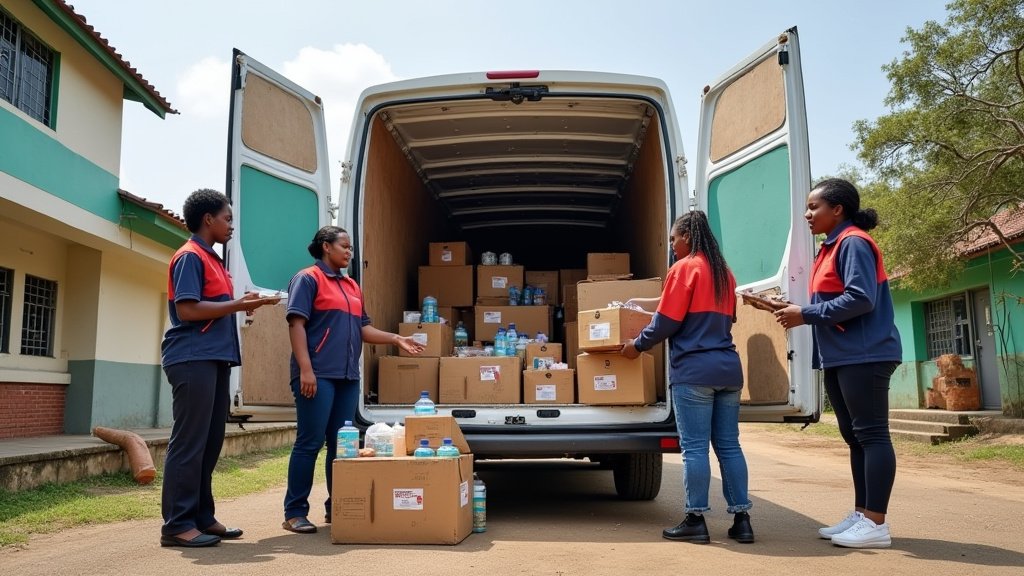
In a proactive demonstration of corporate social responsibility within the maritime sector, the Women’s International Shipping and Trading Association (WISTA) Jamaica has mobilized to deliver much-needed hurricane relief supplies to the Carisbrook Infant and Primary School in St. Elizabeth. This initiative serves as a direct response to the recovery needs following the devastation wrought by Hurricane Melissa, demonstrating how professional networks can pivot effectively to support critical educational infrastructure during times of crisis.
Key Highlights
- Direct Humanitarian Action: WISTA Jamaica has officially committed to donating physical relief supplies to aid the ongoing recovery efforts at Carisbrook Infant and Primary School.
- Community-Led Funding: The entirety of the aid package was financed through the successful execution of a High Tea fundraiser, showcasing the efficacy of community-based revenue models.
- Strategic Focus on Education: By targeting a primary school in St. Elizabeth, the association is addressing one of the most vulnerable segments of the local community—early childhood and primary education—which often suffers the longest-lasting impacts from natural disasters.
- Maritime Sector Engagement: This project highlights WISTA’s commitment to the United Nations Sustainable Development Goals (SDGs), specifically regarding quality education and resilient infrastructure.
Strengthening Resilience: The Intersection of Maritime Logistics and Community Welfare
The donation to Carisbrook Infant and Primary School is not merely a charitable transaction; it represents a deliberate alignment between the logistical expertise of WISTA Jamaica and the pressing needs of rural Jamaican communities. In the wake of Hurricane Melissa, many educational institutions across St. Elizabeth faced significant disruptions, ranging from structural damage to the loss of essential learning materials. The maritime sector, often seen as a pillar of global trade and supply chain management, is increasingly positioning itself as a vital stakeholder in domestic disaster recovery.
The Mechanics of the High Tea Fundraiser
Fundraising in the Caribbean, and particularly in Jamaica, often relies on deep-rooted cultural institutions to generate capital. The WISTA Jamaica ‘High Tea’ event was meticulously planned not just as a networking session for professionals in the shipping, logistics, and trading sectors, but as a strategic revenue generator. By leveraging the social capital of its members and stakeholders, the association was able to aggregate the necessary funds to procure high-demand supplies for the school. This approach bypasses the complexities of slow-moving bureaucratic procurement, allowing the organization to channel resources directly into the hands of those who need them most—the students and faculty of Carisbrook.
Restoring Educational Continuity in St. Elizabeth
St. Elizabeth has historically been an agricultural hub, and when weather events like Hurricane Melissa impact the parish, the disruption often cascades through to the schools. For primary-aged students, the loss of textbooks, stationery, and classroom equipment creates a ‘learning vacuum’ that can set academic progress back by months. WISTA Jamaica’s intervention provides a buffer against this stagnation. By ensuring that the Carisbrook Infant and Primary School is equipped to resume standard operations, the association is investing in the long-term human capital of the parish.
The Evolving Role of WISTA Jamaica
While WISTA is globally recognized for promoting women’s empowerment, networking, and professional development within the maritime and trading industries, its Jamaica chapter has consistently demonstrated a broader mandate. The organization operates on the principle that its members—who are leaders in port management, shipping, and logistics—have a unique vantage point to assess supply chain vulnerabilities. When a disaster strikes, they are uniquely positioned to understand how to bypass bottlenecks and deliver aid effectively. This project is a blueprint for how professional associations can transition from industry-specific advocacy groups to holistic community partners.
Scaling the Impact: Future Predictions for Corporate Social Responsibility
Looking ahead, the success of the Carisbrook initiative suggests a shift in how professional organizations in Jamaica might structure their CSR initiatives. We can expect to see a rise in ‘Targeted Micro-Assistance’ models, where professional bodies identify specific, small-to-medium-sized institutions (like schools or clinics) and adopt them for long-term recovery support, rather than engaging in fragmented, one-off donations. This creates a sustainable relationship between the maritime sector and local educational hubs. Furthermore, as climate change increases the frequency of events like Hurricane Melissa, the infrastructure of resilience—specifically the ability of schools to maintain operational continuity—will become a paramount concern for local development planners and private sector investors alike.
FAQ: People Also Ask
Q: What is WISTA Jamaica’s primary focus?
A: WISTA Jamaica is an affiliate of the Women’s International Shipping and Trading Association. Its primary mission is to promote professional development, education, and networking for women in the maritime, shipping, and trading sectors, while also engaging in significant community outreach and social responsibility projects.
Q: Why was Carisbrook Infant and Primary School chosen for this donation?
A: The school was identified as a site requiring urgent support following the impact of Hurricane Melissa. As an educational institution in St. Elizabeth, it serves a critical role in the community’s infrastructure, and the donation of supplies is intended to restore the learning environment for students quickly.
Q: How does a ‘High Tea’ fundraiser support hurricane relief?
A: The High Tea serves as a social and networking event that generates proceeds through ticket sales, sponsorships, and silent auctions. These funds are then pooled to procure tangible goods—such as stationery, classroom furniture, or educational resources—which are donated directly to the beneficiary, in this case, Carisbrook Infant and Primary School.