
The landscape of Jamaican schoolboy football is undergoing a significant metamorphosis. As the Inter-Secondary Schools Sports Association (ISSA) prepares for the 2026 season, the organization faces a dual challenge: the necessity of maintaining the tournament’s immense cultural and developmental status while operating under the constraints of a tightened $40 million budget. This fiscal reality, coupled with the departure of long-standing corporate sponsors like Wisynco and Bert’s Auto Parts, has set the stage for a season defined by efficiency, strategic innovation, and a stubborn commitment to the sport’s future.
The Fiscal Reality: Balancing Books and Benches
For decades, the Manning and daCosta Cups have served as the bedrock of Jamaica’s footballing talent pipeline. The financial architecture of these tournaments has traditionally relied on a blend of gate receipts, broadcasting rights, and substantial corporate partnerships. However, the 2026 season represents a critical pivot point. With a budget cap set at approximately $40 million, the ISSA administration is tasked with executing a high-stakes logistics operation that involves dozens of schools across the island. The sudden exit of Wisynco and Bert’s Auto Parts—entities that provided not just capital, but institutional prestige and logistical support—creates a void that cannot be filled by simple austerity measures alone.
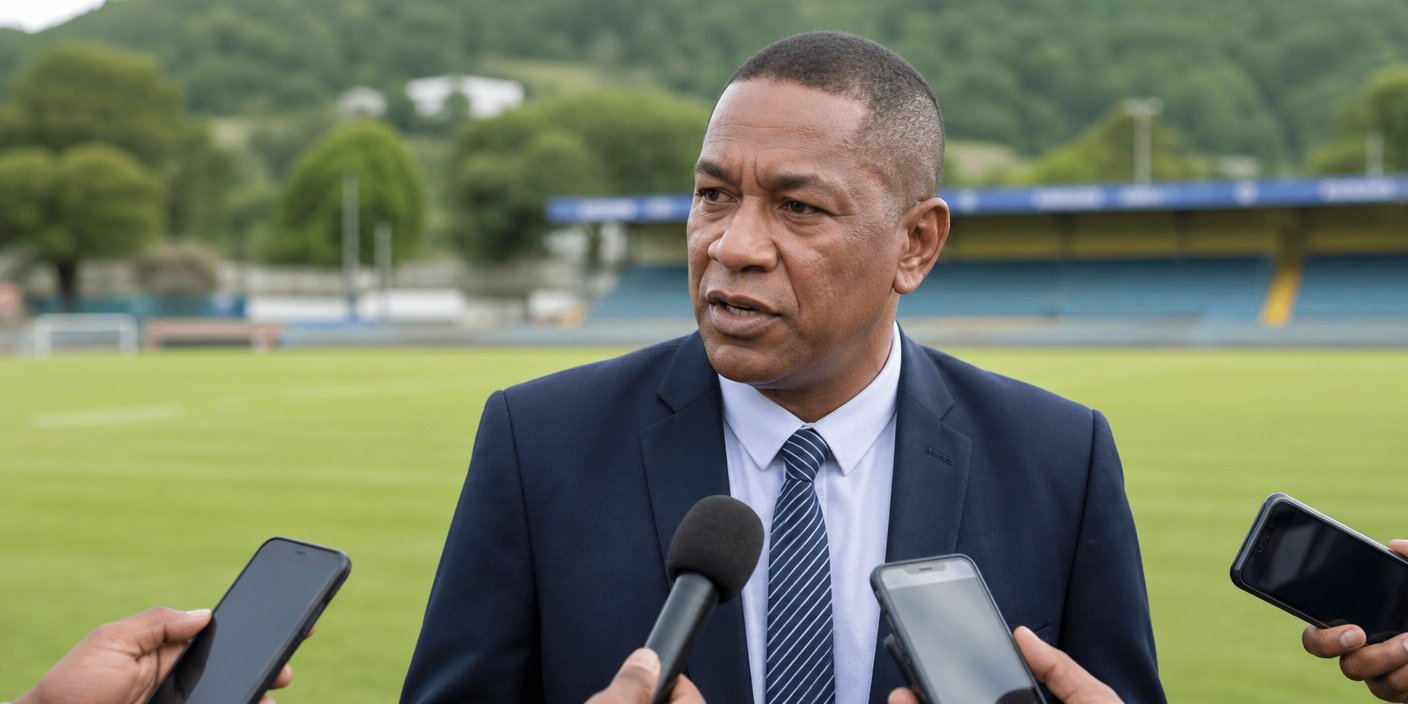
President Keith Wellington has been candid about this reality, framing the current situation not as a crisis, but as an opportunity for recalibration. The organization is forced to conduct a top-to-bottom audit of its operational costs, scrutinizing everything from transportation and security logistics to referee honorariums and venue maintenance. This ‘more with less’ philosophy is not merely a slogan; it is an economic necessity that requires the ISSA to leverage partnerships with local government bodies and smaller, community-focused sponsors to maintain the quality that stakeholders have come to expect.
A Revamped Competitive Structure
Perhaps the most significant development for the 2026 season is the overhaul of the competition structure. To mitigate travel costs and maximize gate revenue, the ISSA has opted for a more condensed and geographically focused tournament framework. By reducing the logistical burden of inter-parish travel during the preliminary rounds, the association hopes to lower the per-match overhead while potentially increasing attendance through localized derbies.
This revamped structure is not solely about cost-cutting; it is about competitive intensity. By condensing the field into more manageable zones, the tournament creates a ‘sprint’ dynamic, where every match carries heightened significance. This change aims to improve the standard of play by forcing teams to be match-ready from the opening whistle, rather than relying on a prolonged group stage to find their rhythm. For the coaching staffs at schools across the island, this requires a tactical shift: fitness, depth, and squad rotation will become more valuable than ever in this compressed timeline.
The Strategic Shift: Managing Corporate Departure
The loss of Wisynco and Bert’s Auto Parts marks the end of an era in schoolboy football sponsorship. Historically, these brands were synonymous with the tournament’s visibility, contributing to the professionalized aesthetic of the broadcasts and the physical infrastructure of the stadiums. Their exit necessitates a move toward a diversified revenue model. The ISSA is reportedly pivoting toward digital-first monetization strategies, including enhanced social media engagement, exclusive streaming partnerships, and fan-experience activations that can be sold to sponsors seeking a younger, more dynamic demographic.
Furthermore, the association is exploring the ‘ISSA Brand’ as an asset itself. By creating centralized commercial packages that include tournament rights, stadium advertising, and branded merchandise, the association aims to build a sustainable ecosystem that is less reliant on the whims of individual corporate entities. This shift is critical for long-term stability; schoolboy football, given its massive popularity and cultural saturation in Jamaica, remains an incredibly valuable property, even if the traditional sponsorship model is in flux.
The Development Pipeline: Why It Matters
Ultimately, the resilience of the 2026 season is about more than just numbers; it is about the youth. The schoolboy football league is the primary nursery for the Reggae Boyz and the wider Caribbean football ecosystem. When the tournament succeeds, the national program succeeds. If fiscal pressures lead to a watered-down product, the downstream effects on player development would be catastrophic.
President Wellington’s optimism is anchored in the belief that the passion for the game in Jamaica is autonomous and enduring. The players, coaches, and passionate fanbases will show up regardless of the sponsor logos on the scoreboard. By focusing on the ‘product on the pitch’—the intense rivalries, the unearthing of new talent, and the dramatic narratives of the underdog—the ISSA is betting that the inherent value of the sport will carry them through this challenging transition period.
FAQ: People Also Ask
Q: How does the ISSA plan to offset the loss of major sponsors like Wisynco and Bert’s Auto Parts?
A: The ISSA is adopting a multi-faceted approach, which includes tightening operational budgets, streamlining the tournament structure to reduce logistics costs, and shifting toward a diversified revenue model that prioritizes digital monetization and smaller, more focused corporate partnerships.
Q: Will the $40 million budget affect the quality of the 2026 schoolboy football season?
A: While the budget is tighter than in previous years, the ISSA aims to maintain the high standard of competition by focusing on operational efficiency. The goal is for the on-field product to remain highly competitive and exciting, even with leaner administrative and logistical support behind the scenes.
Q: What are the main structural changes to the 2026 tournament?
A: The 2026 season features a revamped competitive framework, primarily designed to minimize logistical overhead. This includes more geographically concentrated tournament zones to reduce travel costs for schools and potential changes to the tournament duration, forcing a more intense and high-stakes competitive environment from the outset.