
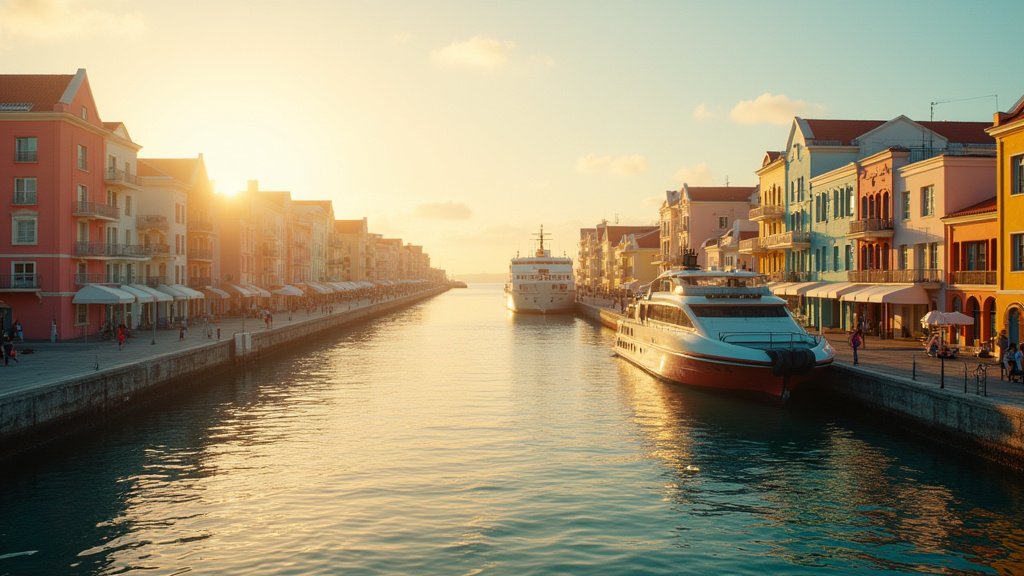
Curaçao is set to host a pivotal Caribbean shipping conference, a move that underscores the island’s strategic importance in global maritime trade amidst escalating international tensions.
Key Highlights:
- Curaçao emerges as a key player in regional maritime strategy.
- The conference aims to address critical issues facing the Caribbean shipping industry.
- Global maritime disruptions are increasing the focus on regional hubs like Curaçao.
- The event signifies Curaçao’s commitment to enhancing its logistical and economic standing.
Navigating Global Maritime Currents: Curaçao’s Strategic Hosting of a Key Shipping Conference
The upcoming hosting of a major Caribbean shipping conference by Curaçao marks a significant moment for the island nation, positioning it as a central hub for dialogue and strategic planning in the increasingly complex world of global maritime logistics. This event is particularly timely, occurring against a backdrop of heightened geopolitical tensions that are significantly impacting international shipping lanes, supply chains, and the overall stability of maritime trade. By convening industry leaders, policymakers, and stakeholders, Curaçao aims to foster collaboration, address pressing challenges, and chart a course for a more resilient and efficient Caribbean maritime sector.
The choice of Curaçao as the host reflects its well-established infrastructure, strategic geographical location in the southern Caribbean, and its ongoing commitment to developing its maritime capabilities. The conference will delve into a myriad of issues, including the impact of global trade dynamics, technological advancements in shipping, sustainability practices, port security, and the economic implications of an evolving maritime landscape. The discussions are expected to generate actionable insights and foster partnerships that will benefit not only Curaçao but the entire Caribbean region, reinforcing its role as a vital nexus for international commerce.
The Geopolitical Undercurrents of Caribbean Shipping
Global maritime tensions, ranging from conflicts in key waterways to trade disputes between major economic powers, have created a ripple effect throughout the shipping industry. These disruptions lead to longer transit times, increased operational costs, and the potential for severe supply chain breakdowns. Consequently, there is a growing imperative for regions like the Caribbean to enhance their self-sufficiency and optimize their logistical networks. Curaçao’s initiative to host this conference directly addresses this need, providing a platform to discuss strategies for mitigating risks, diversifying routes, and strengthening regional cooperation. The island’s proactive stance demonstrates an understanding of the current global climate and a determination to adapt and thrive within it.
Economic and Logistical Imperatives for Curaçao
For Curaçao, hosting such a significant event is more than just a diplomatic coup; it is a strategic economic imperative. The conference provides a unique opportunity to showcase its existing port facilities, logistical services, and its potential for future growth. It attracts investment, fosters business development, and elevates the island’s profile on the international stage. The discussions will likely focus on how Curaçao can leverage its strengths to become an even more indispensable player in regional and global supply chains. This includes exploring advancements in port technology, streamlining customs processes, and developing specialized services that cater to the evolving needs of the shipping industry. The long-term vision is to solidify Curaçao’s position as a premier maritime and logistics center.
Sustainability and Innovation in Caribbean Maritime Operations
A critical component of modern maritime strategy is the adoption of sustainable practices and innovative technologies. The conference will undoubtedly feature sessions dedicated to ‘green shipping’ initiatives, such as the transition to lower-emission fuels, the implementation of energy-efficient technologies in ports, and the reduction of marine pollution. Discussions on digitalization, automation, and the use of data analytics to optimize operations will also be crucial. These innovations are not just about environmental responsibility; they are also about economic efficiency and competitive advantage. By embracing sustainability and innovation, Curaçao and the wider Caribbean can position themselves as leaders in the future of maritime transport.
FAQ: People Also Ask
What is the significance of Curaçao in the Caribbean shipping industry?
Curaçao is strategically located in the southern Caribbean, offering excellent access to major shipping routes. Its well-developed port infrastructure and its history as a maritime trading post make it a natural hub for regional and international trade. The island is actively working to enhance its logistical capabilities and attract more shipping business.
How are global maritime tensions affecting shipping in the Caribbean?
Global tensions can lead to rerouting of ships, increased insurance costs, and potential delays in cargo delivery. This increases the importance of regional ports like Curaçao to provide stable and reliable transit points and to serve as centers for addressing these challenges collectively.
What are the main goals of the Caribbean shipping conference?
The primary goals include fostering collaboration among Caribbean nations, addressing the impact of global maritime issues, promoting technological adoption and sustainability, and enhancing the region’s overall competitiveness in the global shipping market.
What economic benefits can Curaçao expect from hosting this conference?
Curaçao can expect increased visibility, potential foreign investment in its maritime sector, opportunities for local businesses to engage with international partners, and a boost to its reputation as a key logistics and business hub. It also stimulates the local economy through tourism and related services.
What role does sustainability play in modern shipping conferences?
Sustainability is a central theme. Conferences often focus on ‘green’ shipping initiatives, such as reducing emissions, adopting cleaner fuels, and improving environmental management in ports. This reflects the industry’s growing commitment to environmental responsibility and regulatory compliance.