
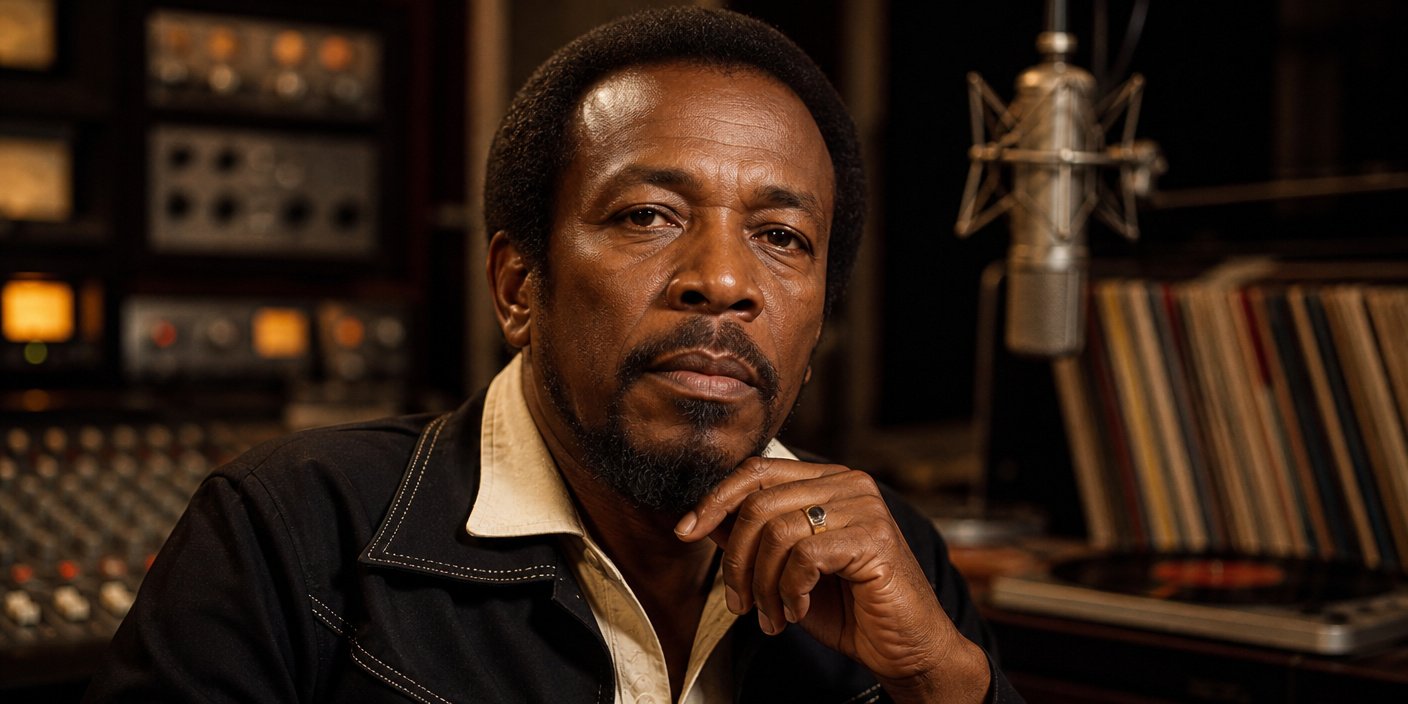
The world of Jamaican music has lost a cornerstone of its cultural foundation with the passing of Derrick Harriott at the age of 87. A visionary performer, songwriter, and producer, Harriott was instrumental in navigating the sonic transition from the upbeat rhythms of ska to the soulful, slower-tempo groove of rocksteady, ultimately laying the groundwork for the global reggae phenomenon. Minister of Culture, Gender, Entertainment and Sport, Olivia Grange, confirmed the news, paying tribute to a man whose lifelong dedication to the arts helped define the sound of a nation and export it to the world. His departure marks the end of an era for the foundational architects of Jamaican music.
Key Highlights:
- Derrick Harriott, 87, was a foundational figure in Jamaican music history, best known for his work with the vocal group the Jiving Juniors and his influential Crystal record label.
- He played a critical role in the evolution of Jamaican music genres, specifically bridging the gap between ska and the rocksteady era of the late 1960s.
- Harriott is credited as a producer who focused on high-fidelity, polished sound, helping to professionalize the Jamaican recording industry.
- Minister Olivia Grange has publicly honoured his legacy, noting his immense contribution to the national culture and the global recognition of Jamaican rhythm.
The Sonic Architect: Derrick Harriott’s Enduring Legacy
To understand the history of Jamaican music is to understand the trajectory of Derrick Harriott. Born in Kingston, Jamaica, Harriott emerged during a time of immense musical innovation in the Caribbean. Unlike many of his contemporaries who focused solely on performance, Harriott possessed an intuitive grasp of production—a skill set that would distinguish his work for decades. His career is often viewed through the lens of his dual success: his time as a charismatic frontman with the Jiving Juniors and his later, perhaps more enduring, impact as the proprietor of the Crystal record label.
The Rise of the Jiving Juniors
Harriott’s journey began in the late 1950s, a period when the Jamaican music scene was heavily influenced by American R&B and doo-wop. With the Jiving Juniors, he tapped into this global sound, refining it with a distinct Jamaican energy. The group became local sensations, and their success provided Harriott with the capital and the reputation to pursue his next ambition: the studio. By the time he transitioned into a solo artist and producer, he had already absorbed the lessons of the studio floor—how to balance vocal harmonies, how to seat a rhythm section, and how to craft a record that could compete on the radio.
The Crystal Era and the Rocksteady Revolution
In 1967, Harriott launched the Crystal label. This was not merely a business venture; it was a sanctuary for high-quality production. At a time when many producers were rushing to capitalize on the ska craze, Harriott began to lean into the shift that would eventually be known as rocksteady. He had an ear for talent and a perfectionist’s approach to recording. He worked with artists such as Keith & Tex, whose hit “Stop That Train” remains a defining anthem of the rocksteady era. Harriott’s own tracks, such as “The Loser,” showcased his ability to blend smooth, soulful delivery with the budding, sparse, bass-heavy instrumentation that would define reggae music.
A Bridge Between Genres
Harriott’s genius lay in his ability to act as a bridge. He respected the upbeat, frantic energy of ska, but he recognized the emotional resonance of the slower, more deliberate rocksteady beat. His production work on tracks like “Walk the Streets” exemplified this, capturing the feeling of Kingston in the late 60s—a sound that was at once sophisticated, raw, and undeniably Jamaican. By maintaining high production standards, he ensured that Jamaican music could stand shoulder-to-shoulder with the international pop records flooding the market, proving that Jamaican artists could set the pace rather than just follow it.
Official Recognition and Cultural Preservation
Government officials and cultural historians have frequently cited Harriott’s work as vital to Jamaica’s intangible heritage. Minister Olivia Grange’s tribute highlights the gravity of his passing, noting that his contribution goes beyond mere chart success. Harriott helped create an infrastructure—the independent label system—that allowed Jamaican artists to retain control over their intellectual property and creative direction. This model of ownership, established during the Crystal era, became the blueprint for subsequent generations of producers and artists who built the global reggae industry we recognize today. His death is not just a loss of a performer, but a loss of a repository of institutional knowledge regarding the very birth of modern Caribbean pop music.
FAQ: People Also Ask
What was Derrick Harriott’s most significant contribution to music?
Harriott is primarily remembered for his role in the transition from ska to rocksteady in the late 1960s, and for founding the Crystal record label, which set a high standard for Jamaican music production.
What is the Jiving Juniors?
The Jiving Juniors were a vocal group that launched Derrick Harriott’s career in the late 1950s. They were pivotal in bringing American R&B influences into the Jamaican music scene, setting the stage for the ska era.
Why is the Crystal label important?
The Crystal label is considered one of the most important independent labels in Jamaican history. Under Harriott’s guidance, it produced iconic rocksteady tracks and helped professionalize the recording industry in Jamaica, allowing artists greater autonomy.
How has the government reacted to his passing?
Minister of Culture, Gender, Entertainment and Sport, Olivia Grange, has publicly honoured Derrick Harriott, acknowledging his significant contributions to the development of the national sound and his role as a pioneering music icon.