
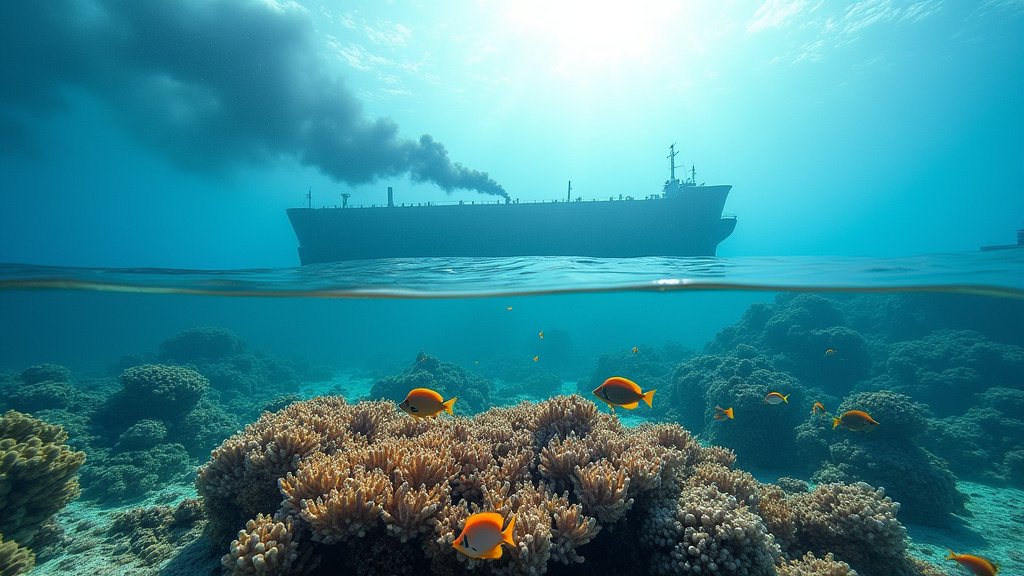
Caribbean nations are at a critical juncture, urged to unite and intensify efforts towards a fossil-free future to combat escalating climate change impacts. This collective push is essential for safeguarding the region’s vulnerable ecosystems, economies, and communities from the escalating threats of rising sea levels, intensifying storms, and coral reef degradation.
Key Highlights:
- Caribbean leaders and citizens are called to unite for a fossil-free future.
- The urgency stems from the region’s extreme vulnerability to climate change impacts.
- Transitioning to clean energy is vital for economic stability and environmental preservation.
- International support and local policy changes are crucial for a successful transition.
- The call to action emphasizes collaboration and immediate, decisive steps.
The Imperative for a Caribbean Fossil-Free Transition
The Caribbean, a region of unparalleled natural beauty and rich cultural heritage, stands on the front lines of the global climate crisis. Its low-lying islands and extensive coastlines are acutely susceptible to the devastating consequences of rising sea levels, more frequent and intense hurricanes, and ocean acidification. The very existence of some island nations is threatened, making the transition to a fossil-free future not merely an environmental goal, but an existential imperative. This urgent call to action resonates across the diverse populations of the Caribbean, emphasizing a shared responsibility and a collective opportunity to steer towards a sustainable and resilient path.
Economic Repercussions of Climate Change
The economic landscape of the Caribbean is intrinsically linked to its environment. Tourism, a cornerstone of many Caribbean economies, relies heavily on pristine beaches, vibrant coral reefs, and a stable climate. Climate change directly threatens these assets. Rising sea levels erode beaches, coral bleaching destroys vital dive sites, and extreme weather events disrupt travel and damage infrastructure. The reliance on imported fossil fuels also presents a significant economic drain, with countries spending substantial portions of their national budgets on energy imports, diverting funds that could be invested in education, healthcare, or sustainable development. A transition to renewable energy sources like solar, wind, and geothermal power can significantly reduce this economic vulnerability, create local jobs, and foster greater energy independence.
The Role of Renewable Energy and Innovation
The Caribbean possesses abundant natural resources that can power a clean energy revolution. Vast solar potential, consistent trade winds, and geothermal energy in volcanic islands offer viable alternatives to fossil fuels. Embracing these resources requires strategic investment in renewable energy infrastructure, grid modernization, and energy storage solutions. Innovation will be key, with opportunities for developing and deploying cutting-edge technologies tailored to the unique geographical and logistical challenges of island nations. This transition also presents a chance to leapfrog outdated technologies and build a modern, efficient, and resilient energy system. Furthermore, fostering regional collaboration on research, development, and procurement can drive down costs and accelerate the adoption of clean energy solutions across the Caribbean.
Policy, Governance, and International Cooperation
Achieving a fossil-free future necessitates robust policy frameworks and strong governance at both national and regional levels. Governments must implement policies that incentivize renewable energy adoption, phase out fossil fuel subsidies, and promote energy efficiency. This includes setting ambitious renewable energy targets, streamlining permitting processes for clean energy projects, and developing supportive regulations for distributed generation and energy storage. International cooperation is also vital. Developed nations, historically the largest emitters of greenhouse gases, have a responsibility to support developing nations in their climate mitigation and adaptation efforts. This support can take the form of financial aid, technology transfer, and capacity building, enabling Caribbean nations to access the resources and expertise needed for a just and equitable energy transition.
Community Engagement and Social Equity
The transition to a fossil-free future must be inclusive and equitable, ensuring that all segments of society benefit. Community engagement is paramount, with active participation from citizens, local organizations, and civil society playing a crucial role in shaping and implementing climate action plans. Education and awareness campaigns can empower individuals to make sustainable choices and advocate for change. Special attention must be paid to ensuring a just transition for workers and communities currently dependent on the fossil fuel industry, providing retraining and alternative employment opportunities. By prioritizing social equity, the Caribbean can build a resilient future that not only protects its environment but also enhances the well-being and prosperity of its people.
FAQ: People Also Ask
What are the primary climate change threats facing the Caribbean?
The primary threats include rising sea levels, which directly impact low-lying coastal areas and small island nations; more frequent and intense hurricanes and tropical storms, causing widespread destruction; ocean acidification and warming, leading to coral bleaching and impacting marine ecosystems vital for fisheries and tourism; and changes in rainfall patterns, potentially leading to both droughts and increased flooding. These impacts collectively threaten the region’s infrastructure, economy, food security, and freshwater resources.
How can renewable energy help the Caribbean economy?
Renewable energy can significantly boost the Caribbean economy by reducing reliance on expensive imported fossil fuels, thereby saving foreign exchange and improving trade balances. It can create new, green jobs in installation, maintenance, and manufacturing sectors. Furthermore, a stable and affordable energy supply is crucial for attracting and retaining businesses, enhancing competitiveness, and fostering overall economic development. Investing in renewables can also position the region as a leader in sustainable tourism and climate resilience.
What are the biggest challenges to adopting renewable energy in the Caribbean?
Key challenges include the high upfront cost of renewable energy infrastructure, limited access to financing, the need for grid modernization and energy storage solutions to manage intermittent energy sources, and the logistical complexities of implementing projects across multiple islands. Additionally, existing policies may favor fossil fuels, and there can be resistance from entrenched energy interests. Capacity building and technical expertise are also critical needs across the region.
What is meant by a ‘just transition’ in the context of energy?
A ‘just transition’ refers to ensuring that the shift to a clean energy economy is fair and equitable, with no one left behind. This involves considering the social and economic impacts on workers and communities, particularly those currently reliant on fossil fuel industries. It includes providing support for retraining, education, and job creation in new sectors, as well as ensuring that the benefits of the clean energy transition are shared broadly and that vulnerable populations are not disproportionately burdened by the costs or excluded from the opportunities.
How can individuals in the Caribbean contribute to a fossil-free future?
Individuals can contribute by reducing their personal energy consumption, adopting energy-efficient practices at home and work, and supporting businesses that prioritize sustainability. They can advocate for stronger climate policies by contacting their elected officials and participating in community initiatives. Embracing sustainable transportation, reducing waste, and making informed consumer choices are also valuable contributions. Educating oneself and others about climate change and clean energy solutions empowers collective action.