
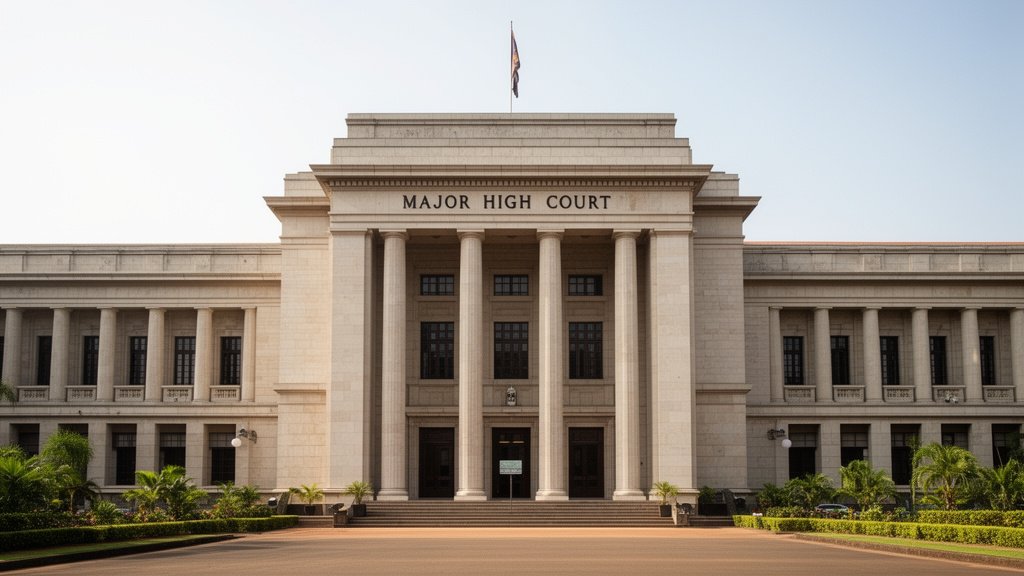
In a significant judicial milestone for Sri Lanka, the High Court has formally reached a verdict in the protracted legal proceedings regarding the 2019 Easter Sunday bombings. The court confirmed the conviction of 15 individuals found guilty of playing critical roles in the coordinated suicide attacks, a ruling that provides a somber, long-awaited sense of closure for the nation. The 2019 bombings, which decimated churches and luxury hotels, resulted in the deaths of 270 people, cementing the tragedy as the deadliest occurrence in the country since the conclusion of the Sri Lankan Civil War.
Key Highlights
- Judicial Milestone: A Sri Lankan High Court successfully convicted 15 men for their specific roles in organizing and executing the 2019 Easter Sunday bombings.
- Unprecedented Tragedy: The coordinated attacks claimed the lives of 270 innocent victims, marking the worst security failure and deadliest event in post-civil war Sri Lanka.
- Long-Term Accountability: This verdict follows years of complex investigations, international intelligence cooperation, and rigorous legal scrutiny to identify key conspirators.
- National Impact: The ruling serves as a vital step for the judicial system, signaling a commitment to addressing the trauma left by the terrorist acts and upholding the rule of law.
Justice Served: Decoding the High Court Verdict and Its Implications
For nearly half a decade, the shadow of the 2019 Easter Sunday attacks has loomed heavily over Sri Lanka. The coordinated bombings, which struck three churches—St. Anthony’s Shrine in Colombo, St. Sebastian’s Church in Negombo, and the Zion Church in Batticaloa—as well as the Shangri-La, Cinnamon Grand, and The Kingsbury hotels, left a scar on the nation’s collective psyche. The recent conviction of 15 individuals by the High Court is not merely a bureaucratic finality; it represents a monumental effort by the state to hold perpetrators accountable for a crime that fundamentally destabilized the country’s recovery and social cohesion.
The Legal Trajectory of the 2019 Case
The road to this conviction has been fraught with challenges. The investigation into the National Thowheeth Jama’ath (NTJ), the group linked to the attacks, required immense resources and cross-border cooperation. Unlike standard criminal trials, this case involved disentangling a complex web of radicalization, logistical planning, and financial maneuvering. By securing convictions for 15 key players, the prosecution has demonstrated the efficacy of the judicial framework in processing high-stakes terrorism trials. This development provides a clear signal to both domestic and international observers that Sri Lanka’s legal institutions are capable of conducting complex terror litigation with transparency and rigour.
Historical Context: Post-War Trauma
To understand the gravity of these convictions, one must view them through the lens of Sri Lanka’s recent history. The 2019 Easter Sunday attacks were the deadliest event the nation faced since the 26-year civil war ended in 2009. The civil war had already inflicted deep wounds on the country, and the 2019 attacks felt like a violent regression for many citizens. The death of 270 people did more than end lives; it shattered the fragile sense of peace that had been carefully cultivated in the decade following the war. The High Court’s ruling acts as an essential buffer against historical revisionism, ensuring that the victims are not forgotten and that the state remains vigilant against extremist ideologies that threaten the pluralistic fabric of the island nation.
Addressing the Security and Economic Fallout
The economic and security consequences of the 2019 tragedy were immediate and severe. Tourism, a cornerstone of the Sri Lankan economy, plummeted as travel advisories were issued worldwide, and internal security protocols were overhauled. The trial and subsequent convictions offer a degree of stability that is crucial for long-term economic recovery. By addressing the culprits behind the violence, the government aims to rebuild trust with international partners and assure domestic populations that the state possesses the capacity to secure its borders and public spaces. This verdict is a necessary precursor to moving forward, as the legal system cleanses the immediate past of the impunity that usually follows such massive intelligence and security failures.
The Search for Continued Accountability
While the conviction of 15 men is a significant step, the broader narrative regarding the 2019 attacks remains an ongoing discussion in Sri Lanka. Critics and families of the victims have frequently called for deeper investigations into the potential lapses of intelligence agencies and political oversight prior to the attacks. The judicial system is now faced with the challenge of balancing the closure provided by this recent verdict against the persistent demands for a more comprehensive public inquiry into systemic failures. Moving forward, the government must navigate this delicate balance to ensure that while justice is served for the acts of terror, the institutions of the state also undergo necessary reforms to prevent future security lapses.
FAQ: People Also Ask
Q: What was the primary motivation behind the 2019 Easter Sunday bombings?
A: The attacks were carried out by the extremist group National Thowheeth Jama’ath (NTJ), which aimed to promote a violent ideological agenda, causing mass casualties at churches and luxury hotels to sow fear and division within the country.
Q: How does this conviction affect the status of the ongoing investigations?
A: The conviction of these 15 individuals provides a legal precedent and a measure of closure, though it does not necessarily end all associated investigations. Ongoing discussions continue regarding systemic intelligence failures and potential broader networks that may have supported the conspirators.
Q: Why was this trial considered so significant for Sri Lanka?
A: This trial was considered a litmus test for the Sri Lankan justice system’s ability to handle high-profile, complex terrorism cases involving mass casualties. The successful prosecution helps restore public trust in the rule of law following the most significant security failure since the end of the civil war.
Q: What impact did the 2019 attacks have on Sri Lanka’s economy?
A: The attacks led to a severe downturn in the tourism industry, triggered heightened national security measures, and dampened foreign investment, significantly impacting the country’s economic growth trajectory for several years following the event.