
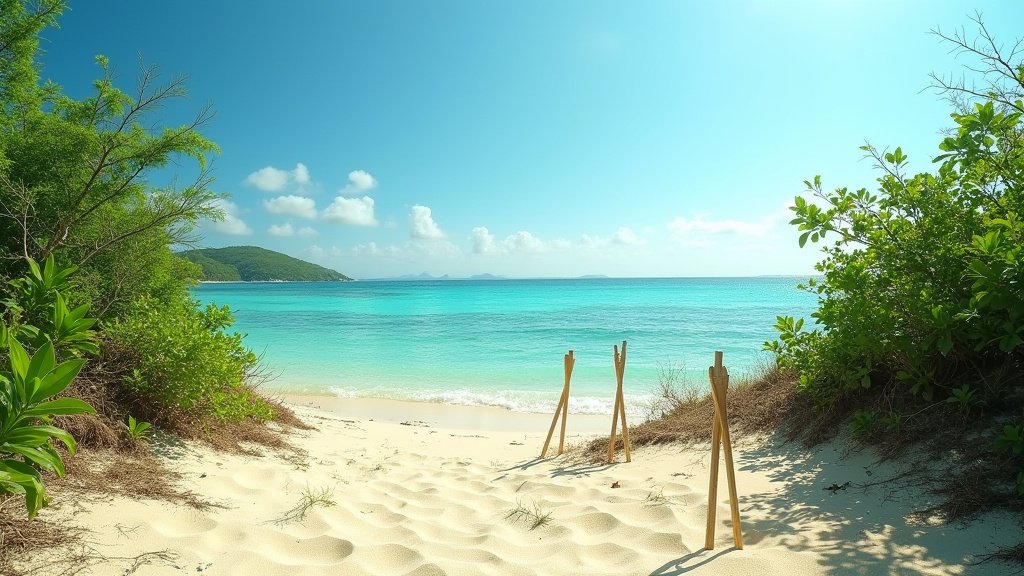
The proposed regional tourism master plan, designed to bolster economic growth, is officially under threat as prominent environmentalists and conservation groups have launched a scathing critique of the project, citing the potential for irreversible ecological collapse. While proponents argue that the initiative is critical for post-pandemic financial recovery, critics contend that the development ignores long-term biodiversity health, effectively prioritizing short-term capital over sustainable stewardship.
Key Highlights
- Ecological Instability: Environmental analysis suggests that the projected 15% increase in tourist foot traffic will overwhelm current waste management infrastructure and deplete local water resources.
- Regulatory Omissions: Critics allege that the mandatory Environmental Impact Assessment (EIA) was fast-tracked without sufficient consultation with indigenous stakeholders or scientific climate experts.
- Economic Pivot: Industry analysts are calling for a shift from mass-market tourism to ‘Regenerative Tourism,’ which focuses on net-positive impacts rather than pure volume growth.
The Ecology-Economy Divide
The fundamental conflict at the heart of this dispute revolves around the tension between Gross Domestic Product (GDP) growth and the preservation of natural capital. The tourism plan in question, which aims to increase luxury resort density along protected coastal zones, is now being scrutinized not just for its physical footprint, but for the systemic pressure it places on vulnerable ecosystems. In many regions, the ‘Green Zone’ designation—intended to protect sensitive wildlife corridors—has become increasingly porous, with commercial interests repeatedly overriding conservation boundaries.
The ‘Green Zone’ Controversy
Central to the environmentalist complaint is the reclassification of specific coastal areas. According to data provided by the Global Biodiversity Council, these zones serve as critical breeding grounds for endangered marine species. The proposed development, which includes high-density hotel chains and private marina facilities, threatens to fragment these habitats. When viewed through the lens of the United Nations Sustainable Development Goals (SDGs), the plan appears to be in direct violation of Goal 14 (Life Below Water) and Goal 15 (Life on Land). Experts argue that by encroaching into these protected buffers, the local government is essentially selling off the very assets that make the region a tourism destination in the first place.
Quantifying the Environmental Toll
Detailed modeling indicates that the infrastructure expansion will require a projected 25% increase in local energy consumption and a 30% rise in fresh water extraction. In regions already facing seasonal water scarcity, this demand is unsustainable. The environmentalist group spearheading the opposition has presented white papers detailing how the runoff from new construction sites will likely lead to sedimentation of coral reefs, potentially wiping out the tourism-dependent diving industry that accounts for an estimated 12% of the local regional economy. This irony is not lost on the business community, yet the momentum of the development project remains difficult to halt due to existing contracts with multinational hospitality firms.
The Regulatory Failure
The current controversy has highlighted a glaring lack of transparency in the Environmental Impact Assessment (EIA) process. Independent audits commissioned by academic institutions revealed that the baseline data used to justify the project was three years old, failing to account for the dramatic shifts in climate and sea-level rise witnessed over the last 36 months. By relying on outdated statistics, the developers have been able to bypass the more rigorous safety protocols that would otherwise be triggered by modern environmental standards. This discrepancy has led to calls for a temporary moratorium on all new construction permits until a transparent, peer-reviewed assessment can be conducted.
Moving forward, the debate is shifting toward the concept of ‘Regenerative Tourism.’ Unlike traditional sustainable models, which simply aim to minimize harm, regenerative models demand that tourism operations actively restore the environment. Whether the proposed plan can be salvaged through a radical overhaul remains the central question of the season. As the political pressure mounts, developers are finding themselves at a crossroads: adapt to the demands of ecological stewardship or face long-term public relations and regulatory nightmares.
FAQ: People Also Ask
1. Why is the environmentalist group opposed to the tourism plan?
The group opposes the plan primarily because of the projected damage to local biodiversity and the strain on critical infrastructure, specifically water usage and waste management, which have not been adequately addressed in the current proposal.
2. What is an Environmental Impact Assessment (EIA)?
An EIA is a critical process used to evaluate the potential environmental consequences of a proposed project. In this instance, critics argue the EIA was based on outdated data, rendering it ineffective at predicting the true scope of ecological damage.
3. Is there a middle ground between tourism growth and conservation?
Yes, industry experts suggest a transition to ‘Regenerative Tourism,’ which focuses on net-positive ecological contributions rather than simply limiting damage, though this requires a significant shift in business operations and government policy.
4. How does the current tourism plan affect local water scarcity?
The expansion is projected to require a 30% increase in water extraction. With the region already struggling with seasonal water shortages, analysts argue the infrastructure cannot support this added demand without harming local residents.