
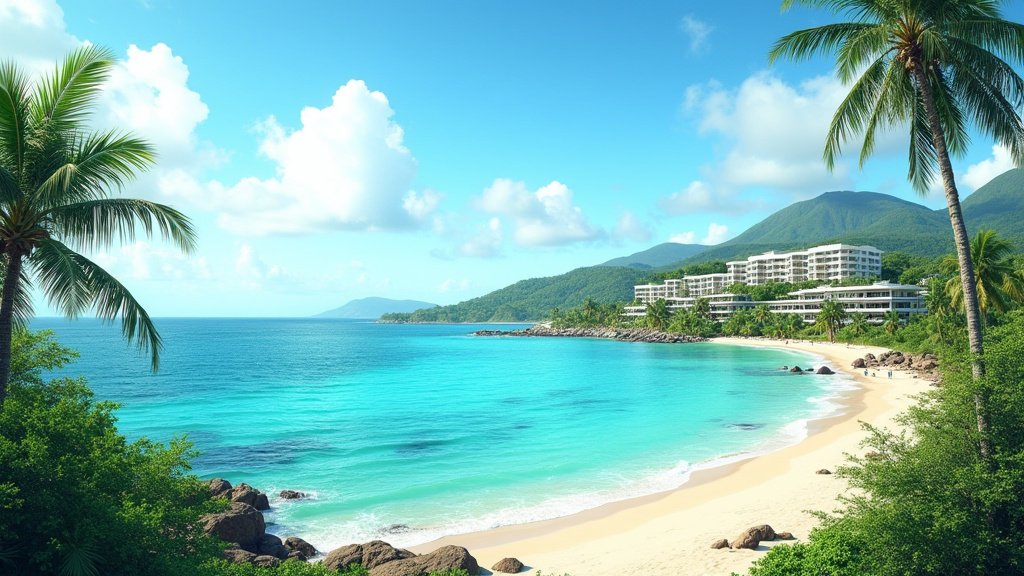
Hard Rock International has officially secured Cabinet approval for its ambitious US$756.9-million integrated resort project in Montego Bay, Jamaica. This development marks a pivotal moment for the island’s tourism sector, positioning the luxury brand to anchor a massive expansion in Caribbean gaming and leisure infrastructure. While the Cabinet’s blessing is a significant hurdle cleared, the path to groundbreaking remains tied to forthcoming gaming operational licenses, setting the stage for one of the most significant foreign direct investments in the region’s modern history.
Key Highlights
- Investment Magnitude: Hard Rock International is committing US$756.9 million to the Montego Bay integrated resort project, cementing a long-term stake in the Jamaican hospitality economy.
- Regulatory Milestone: The Jamaican Cabinet has granted formal approval, which serves as a major endorsement for the project, though the developer must still navigate the specific regulatory requirements for gaming operations.
- Project Scope: The proposed facility is designed as an “integrated resort,” meaning it will feature a combination of high-end hotel accommodation, casino gaming, and potentially expansive entertainment facilities.
- Economic Impact: The project is anticipated to create substantial employment opportunities in Montego Bay, ranging from construction roles to permanent hospitality and management positions upon completion.
Unlocking the Caribbean’s Premier Gaming Hub
The approval from the Jamaican Cabinet acts as the “green light” for Hard Rock International to move forward with site-specific planning and detailed engineering for its Montego Bay complex. In the world of high-stakes hospitality, Cabinet-level approval is rarely a mere formality; it is a signal that the government views the project as a strategic fit for the nation’s broader economic development goals. For Montego Bay, this approval represents more than just a new hotel; it signifies a potential shift in the city’s role as a primary tourist destination, moving beyond traditional sun-and-sand to become a high-end integrated entertainment hub.
The Anatomy of the Investment
The US$756.9 million price tag places this development in a tier of its own. Historically, integrated resorts require massive capital outlays to cover not just structural construction, but the integration of state-of-the-art gaming floors, sound-proofed entertainment venues, and high-capacity infrastructure to support 24/7 operations. By securing this level of investment, Hard Rock is signaling its confidence in the Jamaican market’s resilience and its ability to attract high-net-worth travelers from North America and Europe who seek the specific “Hard Rock” brand experience—a blend of music-themed luxury and energetic nightlife.
The Regulatory Hurdle: Gaming Licenses
While the project has cleared the Cabinet, industry analysts note that the gaming landscape in Jamaica is highly regulated. The Cabinet approval essentially gives the project the “blessing” to proceed, but the actual operation of a casino requires separate, rigorous approvals from the Jamaican Gaming Commission. This involves detailed reviews of the company’s internal controls, security measures, and compliance protocols. For Hard Rock, which operates globally in heavily regulated jurisdictions like Florida and Nevada, this is familiar territory. The challenge, however, will be adapting their international operational standards to meet the specific legal framework of Jamaica’s gaming laws, a process that ensures the integrity of the industry while balancing the needs of the resort operators.
Economic Ripple Effects: Beyond the Resort Gates
The ripple effects of a US$756.9 million investment are expected to be substantial. During the construction phase, thousands of man-hours will be required, fueling demand for local labor, materials, and specialized contractors. Once operational, the resort will likely serve as a catalyst for other industries in Montego Bay. This includes everything from the local food and beverage supply chains to logistics, transportation services, and expanded airlift capacity to Montego Bay’s Sangster International Airport. Economists point out that “integrated resorts” are powerful engines for tax revenue, which in turn provides the state with resources to invest in infrastructure improvements that benefit the wider community, not just the resort itself.
Hard Rock’s Strategic Play in the Tropics
Why Montego Bay? The location is a strategic choice. Montego Bay is already the tourism capital of the island, benefiting from an established infrastructure and proximity to a major international gateway. Hard Rock’s brand strategy has consistently favored locations where they can dominate the entertainment landscape. By establishing a massive physical footprint here, they aren’t just opening a hotel; they are building a flagship destination designed to compete with the major resort hubs in the Dominican Republic and the Bahamas. If successful, this resort could redefine the “Montego Bay experience,” making it a year-round destination for entertainment-seekers, rather than a seasonal retreat.
Future Roadmap: What Happens Next?
With the Cabinet hurdle cleared, the immediate future will likely see Hard Rock finalizing site layouts and procurement contracts. The timeline for an integrated resort of this scale is typically a multi-year effort. Observers should look for announcements regarding the appointment of general contractors, groundbreaking ceremonies, and the public release of architectural renderings that will detail how the resort will integrate with the existing Montego Bay coastline. As the project enters the detailed planning phase, the focus will shift to how the developer manages environmental impact studies and community integration, both of which are critical for such a high-profile development in a sensitive coastal area.
FAQ: People Also Ask
Q: What is an “integrated resort” in the context of the Hard Rock Montego Bay project?
A: An integrated resort is a large-scale development that combines hotel and lodging facilities with a wide range of amenities, including a casino, restaurants, retail shops, convention spaces, and entertainment venues. Unlike a standalone hotel, it is designed as a self-contained destination where guests can stay, dine, play, and be entertained without leaving the property.
Q: Does Cabinet approval mean the casino is definitely opening soon?
A: No. While the Cabinet’s approval is a vital milestone that indicates government support for the project’s existence, the casino itself must still receive specific gaming licenses and operational permits from the relevant Jamaican regulatory bodies, such as the Gaming Commission. This process involves strict scrutiny of operational security, financial transparency, and compliance.
Q: How does this project impact the local Montego Bay economy?
A: The impact is expected to be significant and multifaceted. It includes immediate job creation during the construction phase, long-term employment in the hospitality and gaming sectors, increased tax revenues for the government, and higher demand for local goods, services, and supply chain logistics.