
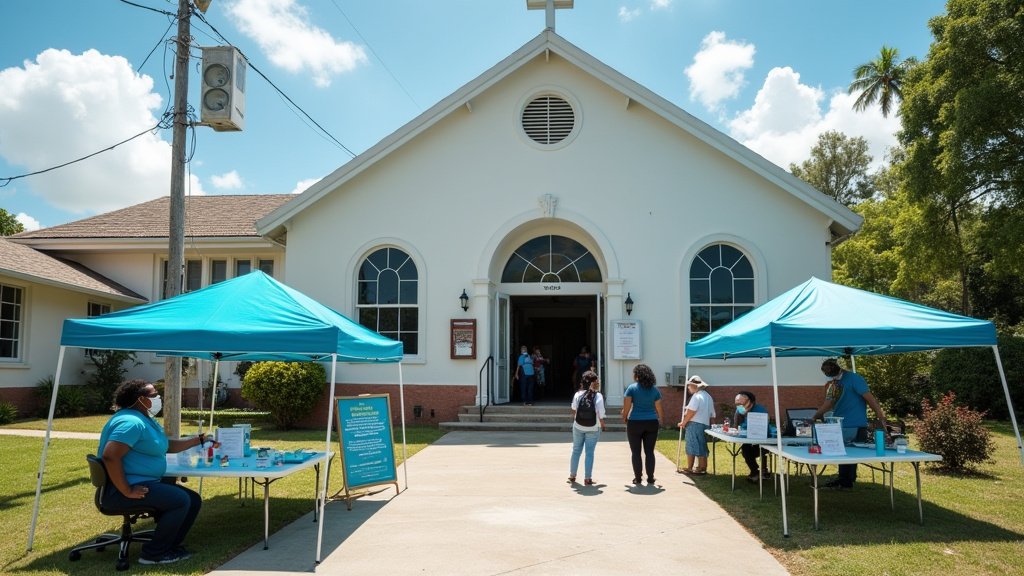
As the new academic year approaches, the St. Thomas Health Department, operating under the umbrella of the South East Regional Health Authority (SERHA), has launched an intensified medical outreach campaign. This initiative is designed to tackle the backlog of pediatric medical assessments and increase immunization coverage across the parish, ensuring that students are medically cleared and protected before stepping back into the classroom.
Bridging the Gap: The 2024 Health Initiative
The current drive is a strategic response to the perennial “back-to-school rush” that often overwhelms public clinics in the weeks leading up to the academic start. By decentralizing medical services—moving them from static clinics into the heart of community hubs and parish churches—the Health Department aims to eliminate the geographical and logistical barriers that often deter parents from completing necessary health checks.
Officials stress that this is not merely a convenience measure; it is a critical intervention to ensure children are physically prepared for the rigors of the upcoming school year. The initiative focuses on comprehensive pediatric primary care, which includes routine growth monitoring, vision and hearing screenings, and the critical administration of mandatory school-entry vaccinations.
The Clinical Focus: Beyond Routine Immunization
A significant pillar of this outreach is the aggressive push for HPV (Human Papillomavirus) vaccination. Public health officials are targeting students within the recommended age bracket to ensure high uptake of this life-saving series. By making these vaccines readily available at community-based sites, the department hopes to normalize the process and dispel hesitancy.
“The objective is to meet families where they are,” a spokesperson noted, highlighting the integration of the HPV series into the broader school-readiness package. This strategy allows health workers to address multiple health mandates in a single visit, reducing the number of appointments required for parents and minimizing student absenteeism during the school term.
Faith in Action: Church-Community Alliances
Recognizing the profound influence of the church in the St. Thomas parish, the Health Department has solidified partnerships with key local religious organizations. These church-based venues serve as satellite health stations, providing a trusted, familiar environment for families who might otherwise feel intimidated by clinical settings.
This synergy between the public health sector and faith-based organizations is a cornerstone of the department’s strategy. By leveraging the existing communication networks of these churches, the Health Department can disseminate accurate information about vaccine safety, school health requirements, and upcoming clinic schedules directly to the constituency, effectively fostering a culture of preventative health.
Addressing Barriers and Future Implications
The long-term impact of this intensified drive extends beyond the immediate goal of school readiness. By standardizing these check-ups, the department is effectively updating the centralized Immunization Registry, which aids in national data tracking and epidemiological forecasting.
Moreover, the initiative highlights a broader shift in public health delivery: the move toward integrated, decentralized care. Analysts suggest that if this model proves successful in achieving high coverage rates in St. Thomas, it could serve as a blueprint for other parishes, demonstrating that community-level accessibility is the most effective remedy for fluctuating vaccination rates. Addressing post-pandemic health gaps remains a top priority, with this drive acting as a critical recovery mechanism to ensure no child is left behind due to missed medical appointments or lapsed immunization schedules.
FAQ: People Also Ask
Q: What specific medical records do parents need to bring to the drive?
A: Parents should bring the child’s immunization card (pink card), a form of identification for the parent or guardian, and any existing medical history records or referral forms provided by their previous school.
Q: Why is the HPV vaccine being prioritized during this back-to-school drive?
A: The HPV vaccine is essential for long-term health, as it protects against the virus that causes several types of cancer. Integrating it into the back-to-school drive ensures that adolescents complete the required doses during a period when they are already accessing health services.
Q: Are these health services provided free of charge?
A: Yes. The medical assessments and routine vaccinations offered at these specific community and church-based outreach events are provided by the public health sector at no cost to the families.
Q: How can I find the nearest outreach site in my district?
A: Residents are encouraged to contact their local parish health clinic or check the official SERHA social media pages, where schedules and site locations for the pop-up clinics are updated weekly.