
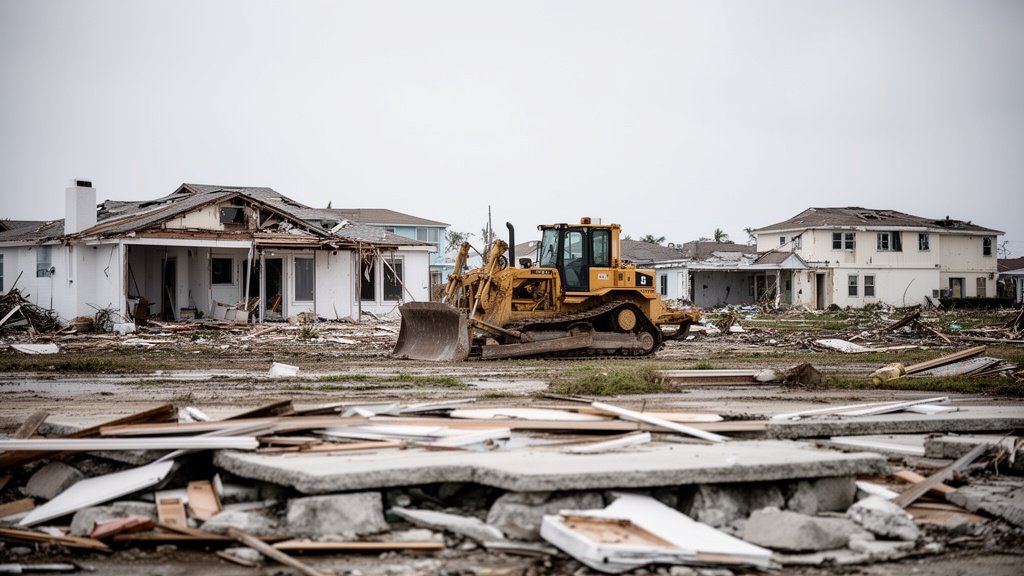
The housing reconstruction effort in the wake of Hurricane Melissa has hit a bureaucratic wall, as the Parliament’s Public Accounts Committee (PAC) warns that systemic land ownership disputes are effectively paralyzing recovery operations. While physical debris has been cleared and initial aid distributed, thousands of displaced families remain unable to return to permanent housing, not because of a lack of building materials, but due to a critical absence of clear legal titles and documented tenure security. This administrative gridlock has transformed a natural disaster recovery mission into a protracted legal crisis.
Key Highlights
- PAC Findings: The Parliamentary Public Accounts Committee identified land titling as the primary bottleneck preventing the disbursement of reconstruction grants.
- Tenure Insecurity: A vast percentage of affected properties lack formal registration, complicating eligibility for government-backed housing programs.
- Construction Stagnation: Contractors report that without clear property rights, they are unable to secure insurance or financing to break ground on site remediation.
- Urgent Policy Shift: The committee is calling for an immediate ‘fast-track’ amnesty or provisional title system to bypass archaic registration backlogs.
The Bureaucratic Barrier: Why Paperwork is Delaying Homes
The aftermath of Hurricane Melissa exposed more than just the vulnerability of the region’s infrastructure; it unearthed a fractured system of land administration that has laid dormant for decades. According to the latest report from the Parliament’s Public Accounts Committee, the primary impediment to reconstruction is not a shortage of labor or capital, but the inability of the state to verify who legally owns the land on which these families lived. In many of the hardest-hit areas, property records are either outdated, missing, or trapped in probate disputes that predate the storm.
The Anatomy of the Titling Crisis
The crisis of tenure security is multi-faceted. In many affected municipalities, land has been passed down through generations via informal agreements—what legal experts call ‘heir property’—rather than registered deeds. When Hurricane Melissa decimated these homes, these informal arrangements crumbled. Government reconstruction initiatives require clean titles to approve funding. Without the legal documentation to prove ownership, legitimate occupants are being turned away from recovery programs, rendering them ineligible for the very rebuilding grants intended to secure their future.
The PAC report highlights that the National Land Registry is currently processing a backlog that will take years to clear under standard operating procedures. ‘We are facing a situation where the physical structure of a home is easier to rebuild than the legal structure of the land beneath it,’ a senior PAC spokesperson noted during recent testimony. This discrepancy has halted the Reconstruction Task Force’s ability to allocate resources, as the risk of funding construction on disputed land presents significant liability issues for the state.
Economic Ripple Effects and Construction Delays
Beyond the human cost, the ripple effects on the local economy are profound. Contractors and developers, often hesitant to initiate projects without legal certainty, have stalled equipment and materials mobilization. The lack of clear title security makes it impossible for banks to issue the necessary construction loans, stifling private sector participation. This economic paralysis has created a ‘missing middle’ in the recovery process: temporary shelters are overcrowded, yet permanent construction remains at a standstill.
Furthermore, the delay is driving up costs. With supply chains fluctuating and inflation impacting building materials, every month of legal indecision makes the eventual cost of rebuilding significantly higher. The PAC has emphasized that the longer the government waits to resolve these titling issues, the more the tax burden of the recovery project will balloon, potentially requiring supplemental budget allocations that the current fiscal framework cannot support.
Strategies for Legislative Reform
To break this impasse, the PAC has proposed an aggressive shift in policy. The committee is advocating for a provisional, time-bound ‘Disaster Recovery Title’ system. This would allow the government to grant temporary legal status to property occupants based on community verification and utility billing records, enabling reconstruction to proceed while the more complex legal titling processes are resolved in the background. This ‘de-linkage’ of reconstruction from formal title litigation is being touted as the only viable path to providing safe, long-term housing within the next 18 months.
Additionally, the Housing Ministry is under pressure to deploy mobile legal teams to the most affected districts. These teams would assist families in navigating the probate and registration process, providing the missing link between the citizens and the registry office. Critics of this approach worry about potential fraud, but the PAC maintains that the cost of inaction—social instability, health risks in temporary housing, and economic stagnation—far outweighs the risks associated with an expedited, controlled registration process.
The Human Toll of Administrative Neglect
Ultimately, this is a crisis of human dignity. Families that survived the storm are now navigating a second, slower disaster: the loss of property rights. The psychological impact of being unable to rebuild on one’s own land is causing widespread community distress. As the recovery timeline stretches from months into years, the urgency for a legislative solution becomes not just an administrative necessity, but a moral imperative. If the government fails to implement the PAC’s recommendations for title amnesty, the ‘rebuilding’ of Hurricane Melissa’s aftermath will remain a promise that the legal system is unable to fulfill.
FAQ: People Also Ask
1. Why does a lack of land title stop construction?
Construction requires legal proof of ownership to obtain building permits, insurance, and bank financing. Without these documents, the government cannot verify that the aid is being directed to the legal homeowner, creating liability concerns and potential legal challenges during the rebuilding process.
2. What is ‘heir property’ and why is it a problem?
‘Heir property’ refers to land passed down through generations without a formal will or deed transfer. Because multiple descendants may technically have an interest in the land, it is difficult for any single individual to claim the legal authority to authorize renovations or receive government aid without the consent of all involved parties, which can be logistically impossible.
3. How will the proposed ‘Disaster Recovery Title’ work?
It is envisioned as a provisional, administrative mechanism that grants temporary legal recognition to residents based on circumstantial evidence (like historical utility bills or community testimony). This allows reconstruction to proceed immediately, deferring final title clarification to a later date.
4. Is there any timeline for these reforms to take effect?
The PAC has submitted its recommendations to the legislature and is pushing for an emergency hearing within the next fiscal quarter to authorize the temporary title framework, hoping to have mobile legal teams operational by the end of the year.