
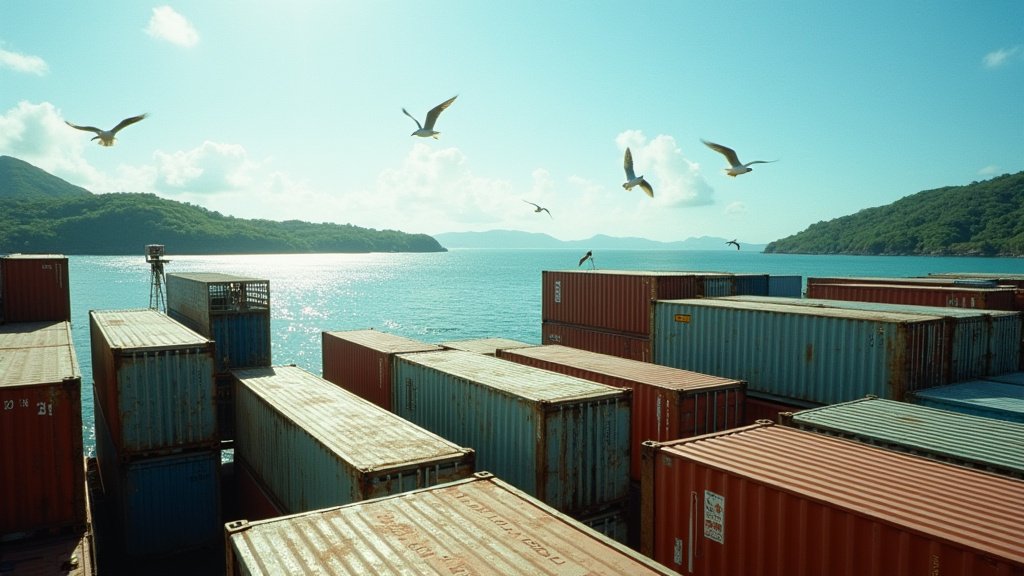
Shipping schedules at Jamaica’s key ports of Kingston and Montego Bay are returning to normal following a period of congestion. Major shipping lines have reported a significant reduction in vessel waiting times, indicating a stabilization of global supply chain disruptions impacting the island nation.
Key Highlights:
- Reduced vessel waiting times observed at Kingston and Montego Bay ports.
- Shipping lines confirm return to more regular schedule adherence.
- Improved efficiency attributed to resolving previous logistical bottlenecks.
- Positive outlook for continued smooth operations and reduced transit times.
Port Operations Return to Pre-Congestion Efficiency
The recent period of intense congestion at both the Kingston Container Terminal and the Port of Montego Bay has largely subsided, marking a crucial turning point for Jamaica’s import and export sectors. Shipping companies, including major global players, have communicated to stakeholders that they are now experiencing significantly reduced waiting times for vessels seeking to berth and offload cargo. This normalization is a welcome development after weeks of disruptions that led to considerable delays and increased operational costs for businesses relying on timely delivery of goods.
Factors Contributing to Normalization
Industry analysts suggest that a combination of factors has contributed to the easing of congestion. These include the successful implementation of enhanced yard management strategies at the Kingston Container Terminal, which has increased its container handling capacity. Furthermore, a slight but steady decrease in the volume of arriving vessels over the past fortnight, coupled with proactive measures by the Port Authority of Jamaica to optimize vessel traffic flow, have played instrumental roles. The coordination between port authorities, shipping lines, and terminal operators has been highlighted as a critical success factor in overcoming the previous backlog.
Impact on Businesses and Consumers
The resolution of port congestion is expected to have a ripple effect across the Jamaican economy. Businesses that had been grappling with extended lead times for raw materials and finished goods can now anticipate more predictable inventory management. This, in turn, should lead to a reduction in expedited shipping costs and a more stable pricing environment for consumers. Sectors such as manufacturing, retail, and agriculture, which are heavily reliant on efficient maritime logistics, are poised to benefit the most from this return to normalcy.
Looking Ahead: Maintaining Momentum
While the current situation is positive, stakeholders are emphasizing the importance of maintaining the momentum. Discussions are underway regarding long-term strategies to enhance port resilience and prevent future occurrences of severe congestion. Investments in infrastructure upgrades, including expanded container storage areas and advanced port technologies for real-time tracking and management, are being considered. The Port Authority of Jamaica has reiterated its commitment to collaborating with all parties to ensure that Jamaica’s ports remain efficient and competitive hubs for regional and international trade.
FAQ: People Also Ask
What caused the recent congestion at Jamaican ports?
The recent congestion was primarily caused by a confluence of factors including a surge in global shipping volumes, equipment shortages, and temporary operational challenges at the terminals. These issues led to extended waiting times for vessels.
Which ports in Jamaica were most affected?
Both the Port of Kingston and the Port of Montego Bay experienced significant congestion, though the Kingston Container Terminal, being the larger transshipment hub, faced the brunt of the delays.
How long did the congestion typically last?
At the peak of the congestion, vessels could face waiting times of several days before being able to berth and commence loading or unloading operations.
What are the main benefits of the ports returning to normal operations?
The primary benefits include reduced shipping costs, more predictable delivery times for businesses, improved inventory management, and a more stable supply chain for consumers.
What steps are being taken to prevent future congestion?
Efforts are focused on infrastructure improvements, enhanced yard management systems, better coordination among stakeholders, and potentially investing in new technologies to streamline port operations.