
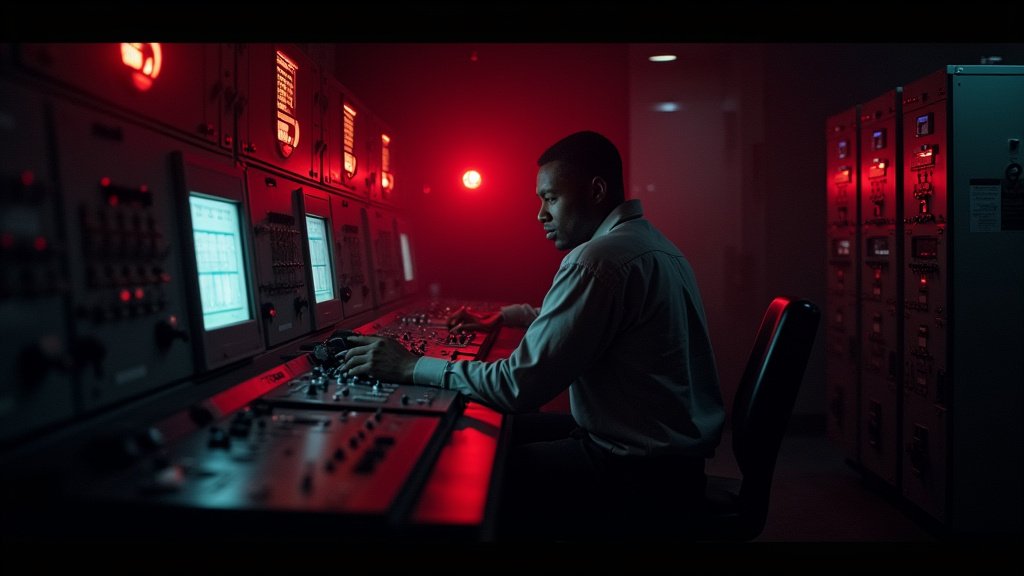
Jamaica is currently experiencing a widespread power outage affecting the entire island. The cause of the blackout is under investigation, with authorities working to restore electricity as quickly as possible.
Key Highlights:
- A complete island-wide blackout is affecting Jamaica.
- The cause of the outage is currently unknown and under investigation.
- Efforts are underway to restore power.
- Impact on services and daily life is being assessed.
Nationwide Power Grid Failure Grips Jamaica
The extensive power failure has disrupted normal life across Jamaica, with reports of electricity being out in homes, businesses, and public facilities. The Jamaica Public Service Company (JPS), the sole electricity provider, has acknowledged the outage and is deploying technical teams to identify the root cause and commence restoration efforts. Initial statements from JPS indicate that the full extent of the disruption is still being determined, and they are working with national security agencies to ensure the safety of their crews and the public during this critical period. The duration for the restoration of power remains uncertain, adding to the concern of residents and businesses.
Investigating the Cause
While the exact trigger for the blackout is not immediately clear, preliminary discussions point towards a potential failure within the national grid infrastructure. JPS is meticulously examining transmission lines, substations, and generation facilities to pinpoint the fault. Possibilities range from equipment malfunction to external factors impacting the grid’s stability. The company has urged customers to conserve battery power on essential devices and to treat all downed power lines as live and dangerous.
Economic and Social Repercussions
This island-wide blackout has immediate and significant economic implications. Businesses reliant on electricity for operations, including the crucial tourism sector and manufacturing, face considerable losses. Supermarkets are grappling with the potential spoilage of perishable goods, and financial institutions are experiencing disruptions to services. Socially, the outage affects communication networks, water supply systems that rely on electric pumps, and the general well-being of citizens, particularly in the evening hours as darkness falls.
Emergency Response and Public Safety
In response to the crisis, the Office of Disaster Preparedness and Emergency Management (ODPEM) is coordinating with JPS and other government agencies. Emergency services are on high alert to address any related incidents, such as traffic disruptions due to non-functional signals or issues arising from the lack of power in critical facilities like hospitals. The public is advised to remain calm, stay informed through battery-operated radios, and follow official advisories from JPS and ODPDM.
FAQ: People Also Ask
What is the current status of the blackout in Jamaica?
Jamaica is currently experiencing a complete island-wide blackout. Power is out across the country, and restoration efforts are underway.
Who is responsible for restoring power?
The Jamaica Public Service Company (JPS) is the sole electricity provider and is responsible for investigating the cause and restoring power to the island.
What should residents do during the blackout?
Residents are advised to conserve battery power on essential devices, stay informed through battery-operated radios, avoid downed power lines, and follow advisories from JPS and ODPEM. It is also advisable to secure food in refrigerators and freezers to prevent spoilage.
When will power be restored?
The exact timeline for power restoration has not yet been announced by JPS. The company is working to assess the situation and will provide updates as they become available. The duration depends on the complexity of the fault identified within the grid.
What are the potential causes of the blackout?
The cause is currently under investigation. Potential factors could include a failure within the national grid infrastructure, equipment malfunction, or external environmental factors impacting the system’s stability.