
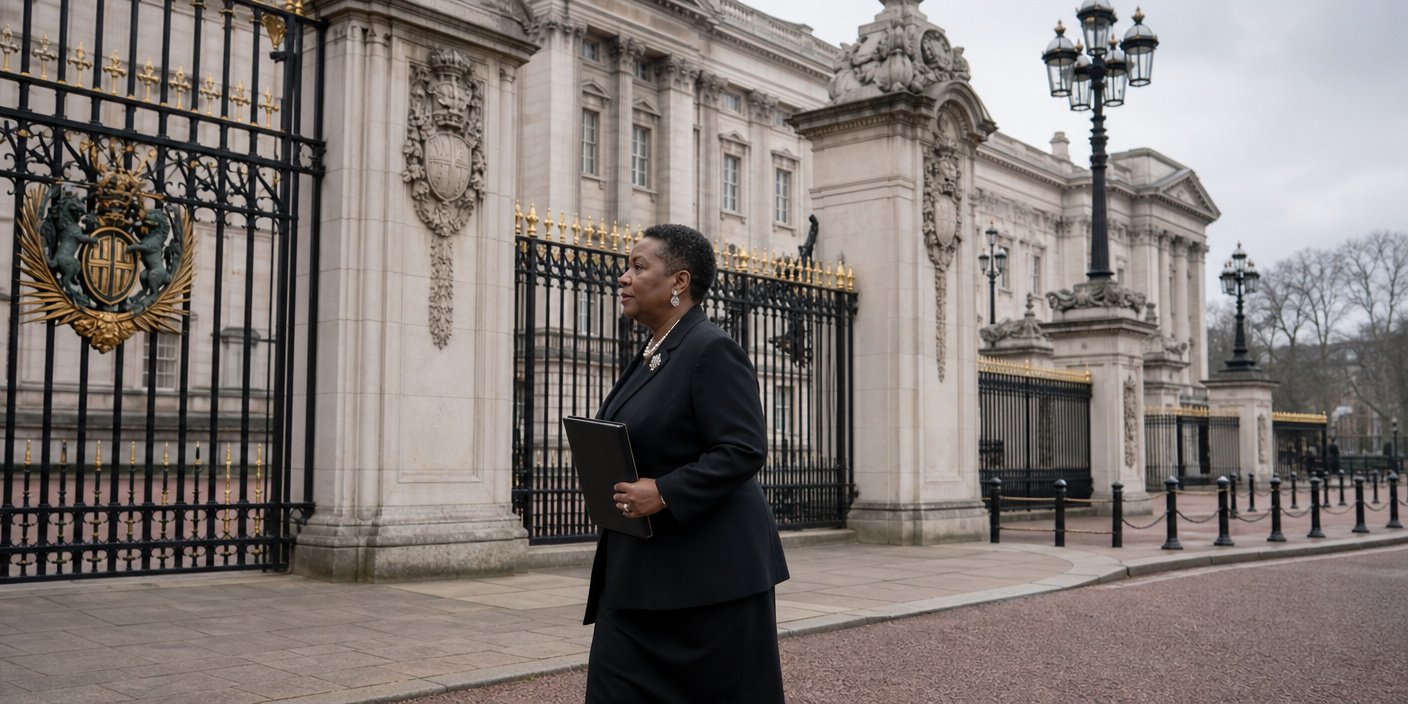
In a decisive diplomatic move that underscores the evolving relationship between Jamaica and the British Monarchy, Culture Minister Olivia Grange has officially filed a petition with Buckingham Palace. The document formally requests that King Charles III refer the complex, often contentious legal questions surrounding reparations for the trans-Atlantic slave trade to the Judicial Committee of the Privy Council. This action represents more than a symbolic gesture; it is a calculated effort to utilize established legal mechanisms to force a formal reckoning regarding the systemic economic and social devastation wrought by centuries of chattel slavery.
The Legal Mechanism: Seeking Accountability Through the Privy Council
At the heart of Minister Grange’s petition is the invocation of the Judicial Committee of the Privy Council (JCPC). As the court of final appeal for several Commonwealth realms, including Jamaica, the JCPC occupies a unique position in the British legal hierarchy. By asking the King to refer the matter to this body, the Jamaican government is attempting to move the reparations discourse out of the realm of political rhetoric and into the sphere of binding legal adjudication.
The petition explicitly seeks ‘answers’—not merely regarding moral responsibility, but regarding the potential legal liability of the British state. The trans-Atlantic slave trade was not merely a private enterprise; it was a state-sanctioned economic engine that enriched the British Crown and the nation’s merchant class while impoverishing the colonies. The Jamaican government posits that the legal infrastructure of the time, which codified slavery, creates a specific, actionable debt that remains outstanding centuries later.
The Economic Legacy of Enslavement
To understand the gravity of this petition, one must examine the specific economic history of Jamaica. During the 18th and 19th centuries, Jamaica was the ‘jewel’ of the British Empire, primarily through the massive output of sugar plantations. These plantations were powered by hundreds of thousands of enslaved Africans. When the British Parliament passed the Slavery Abolition Act in 1833, the ‘compensation’ paid out was notably directed to the slave owners—the perpetrators of the suffering—rather than the enslaved individuals who had provided the labor.
Modern economic analysis suggests that the legacy of this wealth extraction created a ‘development deficit’ in Jamaica. The infrastructure of the island was designed solely to facilitate extraction, leaving the post-independence nation with significant socioeconomic hurdles. The Jamaican administration argues that the current request for reparations is an attempt to address this foundational disparity. This petition is not viewed in Kingston as a request for charity, but as a demand for the settlement of a historical legal and economic account.
CARICOM and the Unified Regional Front
Minister Grange’s action does not occur in a vacuum. It is deeply connected to the broader mandate of the CARICOM Reparations Commission. For years, the Caribbean Community (CARICOM) has operated under a ten-point plan for reparatory justice, which includes calls for a formal apology, repatriation, and, critically, development programs.
By engaging the Monarchy directly, Jamaica is testing the resolve of the new administration under King Charles III. The King has previously expressed a personal interest in acknowledging the ‘wrongs’ of history, but a formal referral to the JCPC would move beyond personal sentiment into official state-level recognition. This puts immense pressure on the British government to define the limits of its historical liability. If the King refers the case, it sets a global precedent that could empower other former colonies to seek similar judicial paths for redress.
Secondary Angles: The Future of the Monarchy in Jamaica
Beyond the financial aspect, three secondary angles define this situation:
1. The Republicanism Pivot: This petition is occurring alongside a broader political movement in Jamaica to transition from a constitutional monarchy to a republic. The reparations issue acts as a critical litmus test: can the British Crown maintain its position as a symbolic head of state while simultaneously facing a multi-billion dollar legal challenge from one of its core realms?
2. Historical Jurisprudence: The case challenges the legal concept of ‘statute of limitations’ regarding crimes against humanity. The Jamaican argument suggests that the benefits accrued from slavery by the UK state remain in the national ledger, effectively making the ‘crime’ a continuous, ongoing economic benefit that has not yet been reconciled.
3. Global Precedent: If the Judicial Committee of the Privy Council accepts the referral, it would create a landmark legal standard for colonial justice. This would essentially invite a flood of similar inquiries from other nations in Africa, Asia, and the Americas, transforming the Privy Council from a colonial appellate court into a potential tribunal for historical justice.
The filing of this petition is a pivotal moment in international human rights diplomacy. While the Buckingham Palace response remains to be seen, the Jamaican government has successfully shifted the reparations debate from the streets and classrooms into the chambers of the highest court, demanding that the past be addressed with the weight of law.