
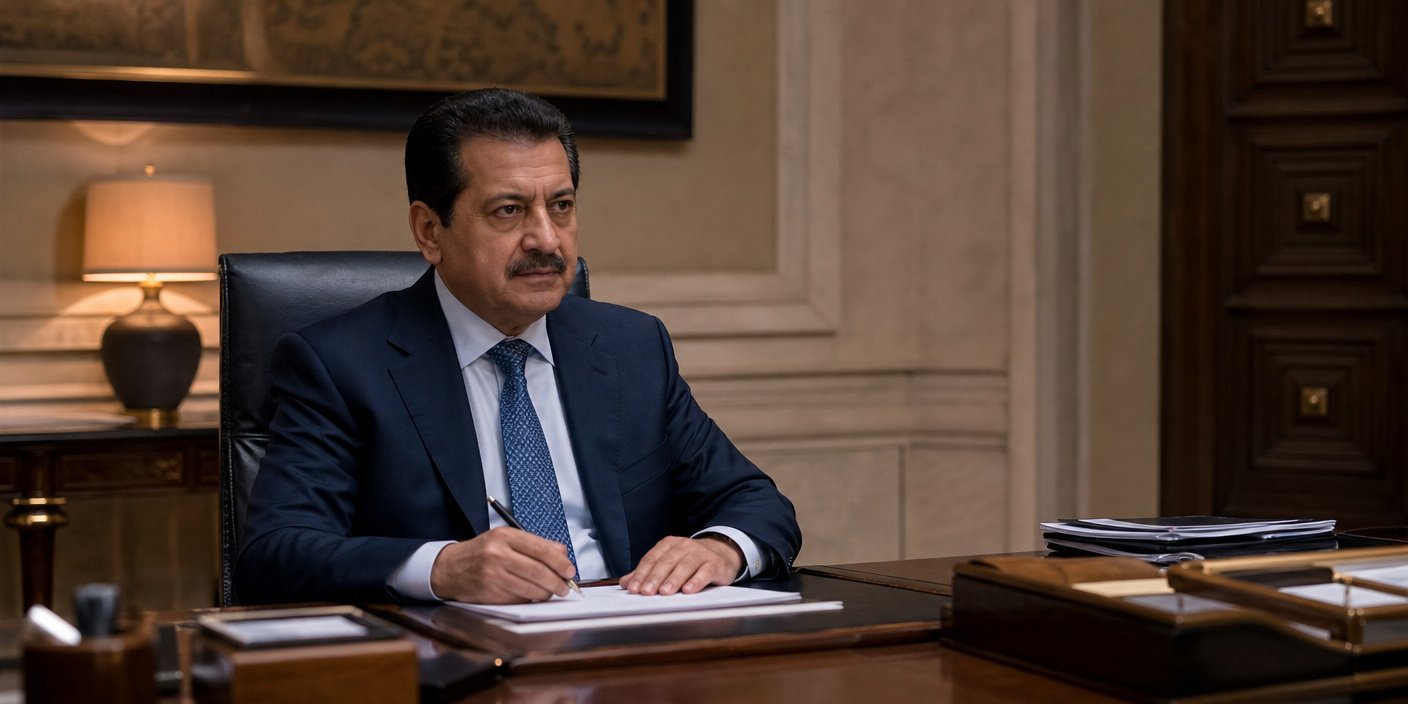
The United States military has completed its 13th consecutive night of high-intensity operations against Iranian military infrastructure, marking a critical escalation in regional hostilities. Despite the sustained aerial campaign targeting key command centers and Iranian drone storage facilities, a potential diplomatic off-ramp has vanished. Iran has formally rejected a ceasefire proposal delivered by Iraqi Prime Minister Ali al-Zaidi, signaling a hardening of resolve in Tehran. Simultaneously, Europe is grappling with an independent emergency, as catastrophic wildfires across France have necessitated the immediate evacuation of 12,000 residents, further straining the global news cycle and resource distribution during this turbulent late-July period.
Key Highlights
- 13 Days of Attrition: The US military campaign has focused on degrading Iranian command capabilities and neutralizing advanced drone storage caches.
- Diplomatic Deadlock: Iraqi Prime Minister Ali al-Zaidi’s mediation efforts failed as Iranian leadership rejected the proposed ceasefire terms.
- Humanitarian Crisis: In France, aggressive wildfires have forced the evacuation of 12,000 people, compounding international geopolitical instability with a major climate-driven catastrophe.
- Strategic Shift: The rejection of terms suggests a move toward prolonged conflict rather than immediate de-escalation, despite the intensity of the US-led air campaign.
The Anatomy of a Dual-Front Crisis
The events of July 24, 2026, serve as a stark reminder of the interconnected nature of global security. The situation in the Middle East, characterized by the persistent US strikes, represents a significant deviation from traditional skirmish tactics. By entering a 13th consecutive night of operations, the US military is moving beyond symbolic displays of force toward a strategy of systematic degradation of Iranian military assets. The specific targeting of command centers and drone storage facilities indicates a clear objective: to neutralize the technological and logistical advantages that Iran has leveraged in recent months to project power across the region.
The Failure of the Iraqi Bridge
Iraqi Prime Minister Ali al-Zaidi had been positioned as the primary intermediary in this conflict, a role fraught with risk given Iraq’s fragile internal political stability and its proximity to both the United States and Iran. The rejection of his proposal by Tehran is more than just a diplomatic setback; it is an explicit signal that Iran intends to absorb the ongoing bombardment rather than yield to current external pressure. This refusal suggests that Tehran may be calculating that the political and military costs of the strike campaign are lower than the long-term strategic concessions demanded in the ceasefire draft.
Ecological Stress as a Global Catalyst
While the world watches the Middle East, the crisis in France underscores the vulnerability of the European continent to extreme weather events. The evacuation of 12,000 individuals due to wildfires is not an isolated incident; it reflects a growing pattern of environmental instability that diverts international attention, logistics, and emergency funding. These fires demonstrate how climate change acts as a ‘threat multiplier,’ forcing national governments to focus internal resources on domestic emergencies at the exact moment global conflicts reach a breaking point. The dual nature of these events creates a ‘bandwidth tax’ on international relations, as global powers struggle to manage localized combat and large-scale environmental mitigation simultaneously.
Technical Implications of the Air Campaign
From a military-strategic perspective, the 13-night duration of the US operations is highly significant. In modern conflict, sustained air campaigns usually aim for rapid success or specific, limited objectives. A two-week campaign suggests that the US intelligence community has identified a vast and hardened network of drone infrastructure. The ability of the Iranian military to continue its operational tempo despite these losses—and the subsequent rejection of the ceasefire—suggests either an underestimation of the adversary’s depth of defense or a profound commitment by Tehran to survive the onslaught. Analysts are now looking toward the possibility of a shift in the nature of these strikes, potentially moving from infrastructure destruction to a more overt attempt to neutralize command-and-control personnel, a move that would carry significantly higher risks of regional war.
Future Predictions
Looking ahead, the next 48 hours will be critical. If the US military continues its current pace, the depletion of Iranian drone storage could theoretically shift the military balance within the next week. However, the diplomatic vacuum left by the rejection of the proposal invites third-party actors to intervene, which could either exacerbate the conflict or introduce new, complex variables. Meanwhile, the containment of the French wildfires will depend entirely on meteorological conditions; any increase in wind speed or temperature could force even larger evacuations, stretching France’s emergency response capabilities to their breaking point.
FAQ: People Also Ask
Q: What is the primary objective of the US strikes in Iran?
A: The strikes are specifically targeting Iranian command centers and drone storage facilities, aiming to degrade the country’s long-range strike capabilities and logistical networks.
Q: Why did Iran reject the ceasefire proposal?
A: While the official reasons remain classified, analysts suggest Tehran believes it can withstand the current level of military pressure and that the terms of the ceasefire were seen as a strategic defeat rather than a neutral resolution.
Q: How is the situation in France impacting global news coverage?
A: The wildfires have created a ‘two-front’ news cycle, where global powers are forced to balance the high-stakes geopolitical fallout of the US-Iran conflict with urgent, localized humanitarian disaster reporting in Europe.
Q: What role does Ali al-Zaidi play in these negotiations?
A: As the Prime Minister of Iraq, Ali al-Zaidi acts as a critical diplomatic bridge, attempting to leverage Iraq’s neutral standing to broker a peace agreement that satisfies both US security interests and Iranian territorial sovereignty.