
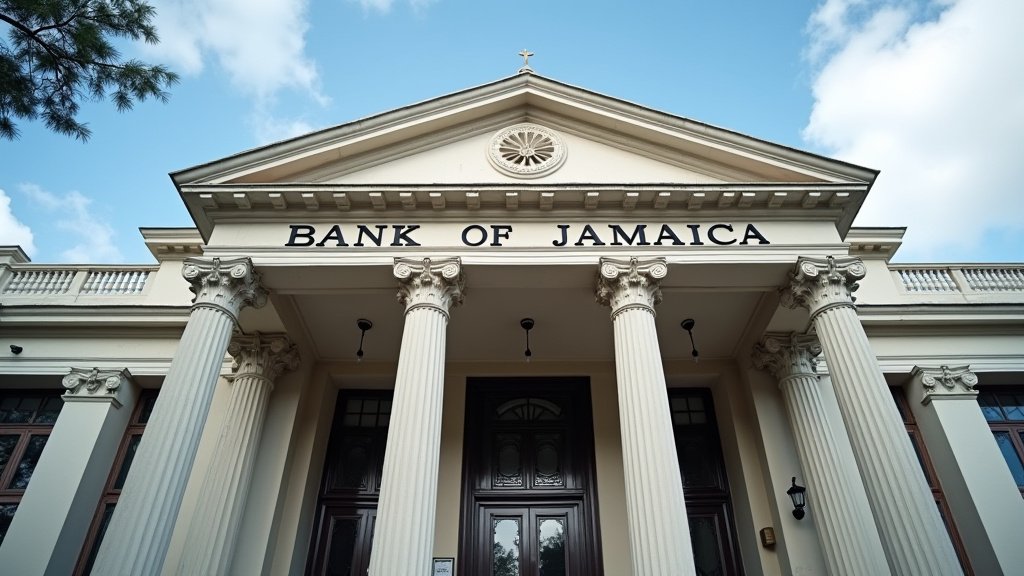
The Bank of Jamaica (BOJ) has delivered a significant hawkish shift, lifting its benchmark policy interest rate to 6.0% from 5.5%. This marks the first upward adjustment since late 2022, signaling a strategic retreat from the relative stability of the previous two years. As the central bank moves to aggressively combat persistent inflationary pressures, the decision has sent a clear message to financial markets: the fight against rising costs of living is far from over, and the era of accommodative monetary policy is tightening.
The Anatomy of the Decision
The Monetary Policy Committee (MPC) of the Bank of Jamaica cited a complex mix of domestic and external factors driving this decision. While the Jamaican economy has shown resilience, with a robust tourism sector and steady employment numbers, the persistent nature of headline inflation remains the primary adversary. Inflation, particularly regarding imported goods, has remained sticky, threatening to exceed the central bank’s target band. By moving the policy rate to 6.0%, the BOJ is effectively increasing the cost of borrowing for commercial banks, which in turn ripples through to consumer loans, mortgages, and credit facilities.
This hike is not merely a reactionary measure; it is a preemptive strike aimed at anchoring inflation expectations. When central banks act decisively, they aim to signal to businesses and consumers that price stability is the non-negotiable priority. This move underscores the MPC’s commitment to returning inflation to its 4.0% to 6.0% target range, a feat that has become increasingly difficult amidst global economic volatility.
Inflationary Pressure and the Global Context
To understand the magnitude of this 50-basis-point hike, one must look at the broader economic landscape. Jamaica, like many small open economies, is susceptible to imported inflation—a phenomenon where the rising costs of energy, food, and raw materials from trading partners are passed directly to the local consumer.
Analysts have noted that while the post-pandemic supply chain disruptions have largely normalized, new geopolitical tensions have introduced fresh volatility into commodity markets. The energy transition and unpredictable weather patterns affecting agricultural output also play a significant role. The BOJ’s move to 6.0% is a calculated effort to temper local demand. By increasing the cost of capital, the bank hopes to cool down consumption that might be fueling domestic price increases, thereby creating a buffer against external shocks.
Impact on Consumers and Commercial Borrowers
For the average Jamaican household and business, the shift in the policy rate carries immediate and tangible consequences. Commercial banks in Jamaica typically adjust their prime lending rates in response to BOJ policy changes. Consequently, individuals with variable-rate mortgages, personal loans, or credit card balances should prepare for an uptick in their monthly debt-servicing obligations.
Businesses, particularly those in the manufacturing and retail sectors that rely on credit to manage inventory and operational expenses, will face tighter margins. Investment analysts suggest that this environment will likely lead to a ‘wait and see’ approach for capital expenditure. Companies may pause expansion plans until the trajectory of the interest rate becomes clearer, potentially slowing economic growth in the short term. However, the long-term benefit—a stable and predictable currency and price environment—is the trade-off that the central bank deems necessary.
The Path Forward: More Hikes on the Horizon?
Perhaps the most critical aspect of the recent announcement is the guidance—or lack thereof—provided by the MPC regarding future meetings. Financial analysts are broadly interpreting the move as the start of a tightening cycle rather than a one-off adjustment.
If inflation prints continue to surprise to the upside, or if the Jamaican Dollar (JMD) faces renewed depreciation pressure, the BOJ may feel compelled to hike again before the end of the year. Market watchers are closely monitoring the next Consumer Price Index (CPI) report, which will serve as the litmus test for whether the 6.0% rate is sufficient to curb inflationary momentum. The consensus among leading economists is that the ‘higher for longer’ narrative, which has dominated global central banking, is now firmly entrenched in the Jamaican financial landscape.
FAQ: People Also Ask
Why did the Bank of Jamaica raise rates now?
The BOJ raised rates to 6.0% to combat ‘sticky’ inflation. By making borrowing more expensive, the central bank aims to cool down aggregate demand and prevent inflation from exceeding its target range of 4.0% to 6.0%, which is essential for economic stability.
How will this hike affect my mortgage and loans?
If you have a variable-rate loan or mortgage, you are likely to see an increase in your interest payments. As the BOJ policy rate rises, commercial banks typically increase their prime lending rates, which translates to higher costs for borrowers.
Do economists expect further interest rate increases?
Yes, many financial analysts view this hike as the beginning of a cycle. Given the persistence of global and local inflation, experts warn that if inflation targets are not met in the coming months, the BOJ may find it necessary to implement additional rate hikes to maintain economic control.