
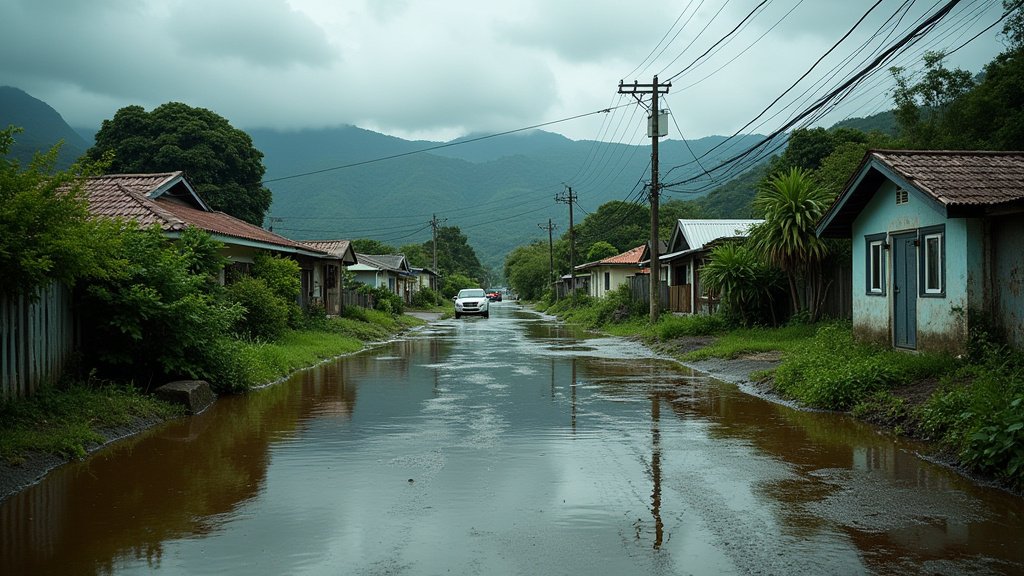
Heavy rainfall has triggered a significant emergency situation in the parish of St. Thomas, where surging floodwaters have impacted 54 homes, causing immediate displacement and widespread damage. According to the Ministry of Labour and Social Security (MLSS), 13 individuals have been successfully evacuated and are currently receiving aid in designated emergency shelters. The ongoing weather event has stretched local resources and highlighted the critical vulnerabilities within the region’s residential infrastructure.
Key Highlights
- Homes Impacted: 54 residences have suffered direct flood damage, necessitating emergency assessment by municipal authorities.
- Displacement Status: 13 residents are currently housed in temporary emergency shelters, receiving care and essential supplies from the Ministry of Labour.
- Coordinated Response: The Ministry of Labour and Social Security (MLSS) is actively managing the relief operations in conjunction with the St. Thomas Municipal Corporation.
- Ongoing Risk: With ground saturation high, officials have warned that additional rainfall could exacerbate conditions for affected areas.
The Crisis in St. Thomas: A Rapid Assessment of Damages
The flooding event in St. Thomas represents a stark reminder of the parish’s susceptibility to extreme weather patterns. Over the last 48 hours, consistent, heavy downpours have overwhelmed local drainage systems, causing water to rise rapidly in low-lying residential areas. The primary impact has been the inundation of 54 homes, where families have faced the sudden destruction of personal property, structural damage, and the loss of essential utilities. The Ministry of Labour and Social Security (MLSS) has stepped into a critical role, mobilizing field officers to conduct damage assessments and provide immediate social intervention to the victims.
The Human Impact and Emergency Relief
For the 13 individuals currently residing in emergency shelters, the experience has been one of abrupt transition. Displacement often carries a heavy emotional and financial toll, particularly for families who have lost foundational assets. The Ministry of Labour has prioritized the immediate welfare of these displaced persons, ensuring that shelters are equipped with adequate bedding, sanitation facilities, and food supplies.
Field officers are working tirelessly to document the extent of the damage to each of the 54 properties. This documentation is essential not just for immediate relief, but for long-term recovery efforts. By cataloging the loss of household furniture, appliances, and structural integrity, the government aims to create a targeted compensation and assistance framework. The focus remains on stabilizing the lives of the displaced while simultaneously preparing for a safe return to their communities once water levels recede and safety inspections are completed.
The Intersection of Geography and Infrastructure
St. Thomas is geographically complex, characterized by coastal plains and mountainous terrain that can funnel water into residential zones during periods of intense precipitation. When extreme weather events occur, the traditional drainage infrastructure—which was designed for smaller, less frequent volume—is often pushed beyond its capacity.
Experts from the Office of Disaster Preparedness and Emergency Management (ODPEM) have noted that the saturation levels of the soil contribute to the inability of the ground to absorb further rainfall. This creates a feedback loop where even moderate subsequent rain showers can lead to flash flooding. Addressing these structural deficiencies is a long-term goal that requires substantial capital investment and engineering precision. The current crisis has reignited the conversation around upgrading existing drainage systems and enforcing stricter zoning laws to prevent residential development in high-risk zones.
Economic and Social Consequences
The economic implications of this flooding are significant for a community where agriculture and small-scale trade are the primary drivers of income. For families impacted by the flood, the loss of a home is compounded by the potential loss of income-generating activities. Many residents operate home-based businesses, meaning the flooding is not merely a residential issue but an economic one that threatens the livelihoods of dozens of households.
Social safety nets are being tested. The Ministry of Labour’s intervention serves as the first line of defense in preventing this localized disaster from spiraling into a broader humanitarian crisis. However, the reliance on government aid highlights the need for more robust community-led preparedness initiatives. The integration of local disaster committees into the broader national response structure is vital for ensuring that residents are not only prepared for the onset of floods but also informed about recovery pathways once the waters subside.
Future Mitigation: Building Back Better
Moving forward, the recovery process for St. Thomas must prioritize “building back better.” This philosophy, championed by international disaster relief organizations, suggests that rebuilding efforts should not simply restore what was lost but should incorporate climate-resilient upgrades. This includes retrofitting homes with flood-resistant materials, elevating critical electrical infrastructure, and implementing community-based early warning systems that utilize real-time data from the Jamaica Meteorological Service.
The collaboration between the MLSS and the St. Thomas Municipal Corporation is expected to continue for the duration of the displacement period. Officials are urging residents to remain vigilant, keep track of meteorological updates, and adhere strictly to evacuation orders if issued. The path to recovery will be measured, but by documenting each of the 54 homes affected, the government is ensuring that no family is left behind in the post-storm recovery process.
FAQ: People Also Ask
1. What immediate support are the 13 displaced people receiving?
The Ministry of Labour and Social Security (MLSS) is providing emergency shelter, food, water, sanitation supplies, and blankets to those displaced. They are also conducting social assessments to determine if further financial or material assistance is required for the affected families.
2. Is there a timeline for when residents can return to their 54 flooded homes?
There is no fixed timeline. Residents are advised that they must wait for the St. Thomas Municipal Corporation and health authorities to deem the structures safe for habitation. This involves assessing structural integrity, ensuring electricity is safe, and confirming that the homes are free from waterborne contamination.
3. Are other areas of the island at risk for similar flooding?
The Jamaica Meteorological Service continuously monitors weather patterns across the island. While St. Thomas is currently the primary area of concern due to the high volume of rainfall in that specific parish, other areas with poor drainage or mountainous topography are always considered high-risk during heavy rainfall events. Residents should monitor local news for updates.
4. How can the public assist the victims of the St. Thomas floods?
The Ministry of Labour typically handles direct relief, but registered NGOs often step in to accept donations. Members of the public should monitor official government social media channels and press releases to see which organizations are authorized to accept donations of canned food, clothes, and hygiene products to ensure aid reaches those in need efficiently.