
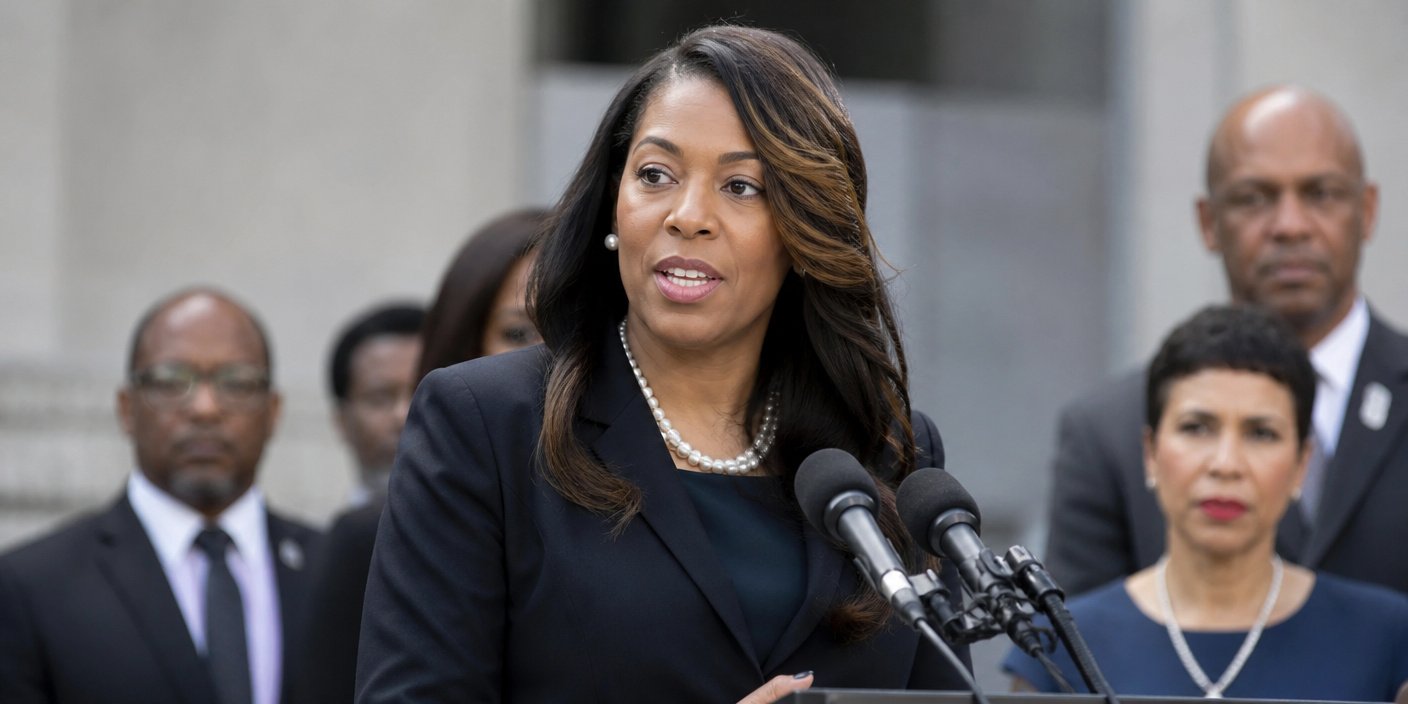
The Jamaica Teachers’ Association (JTA) has escalated its stance against the Ministry of Education and Youth, with former President La Sonja Harrison delivering a sharp critique of the government’s failure to complete critical school rehabilitation projects. Nearly one year after the catastrophic impact of Hurricane Melissa, Harrison has publicly characterized the state of several educational facilities as ‘unacceptable,’ arguing that the persistence of damaged infrastructure—and the government’s slow response—has created a dangerous culture of normalization regarding dilapidated learning environments.
The ‘Normalization’ Trap
At the heart of Harrison’s argument is the psychological and operational toll of ‘normalizing’ the broken. When classrooms have leaking roofs, compromised structural integrity, or inadequate sanitation for nearly 12 months post-disaster, the message sent to students and educators is one of abandonment. Harrison posits that this state of affairs is not merely a logistical failure but a policy failure. The normalization of broken schools breeds a culture of low expectations, where the standard for ‘acceptable’ educational delivery is compromised by the very environment in which learning is meant to occur.
Structural Neglect vs. Educational Aspirations
The timeline regarding the post-Hurricane Melissa reconstruction efforts has become a flashpoint for tension between the JTA and the state. While the Ministry of Education and Youth (MOEY) and the National Education Trust (NET) have cited supply chain issues and procurement hurdles as reasons for the staggered pace of repairs, the JTA asserts that these bureaucratic explanations have worn thin. The union contends that by failing to prioritize these rehabilitations, the government is effectively stalling the national education agenda.
The Ripple Effect on Learning Outcomes
The secondary impact of this infrastructure crisis is profound. Schools are more than just buildings; they are safe havens. When the physical structure is compromised, safety concerns inevitably rise, leading to erratic attendance patterns from both staff and students. Teachers, forced to navigate makeshift classrooms or endure environments that are not conducive to professional instruction, face significant morale degradation. Harrison’s critique highlights a critical truth: you cannot demand ‘world-class’ educational outcomes from a student body housed in ‘third-world’ infrastructure. The dissonance between the government’s stated goals for educational transformation and the reality on the ground is where the JTA draws its line in the sand.
Economic Implications and Future Planning
Beyond the immediate safety concerns, there is a looming economic impact. Neglected structural damage rarely stays static; it compounds. Minor roof damage becomes structural rot; electrical issues from water damage become fire hazards. By deferring maintenance, the government is effectively ballooning the long-term cost of repairs. This ‘kick-the-can-down-the-road’ approach to school maintenance is fiscally irresponsible and structurally unsustainable. Harrison’s demand for a clear, accelerated timeline for all remaining Hurricane Melissa repairs is a call for fiscal and administrative accountability, not just infrastructural cleanup.
The Path Forward: Accountability and Transparency
To move beyond this impasse, the JTA is calling for a more transparent ‘Public Dashboard’ approach to school repairs. The union argues that the public, parents, and taxpayers have a right to know exactly which schools remain in disrepair, the specific nature of the work required, and the expected completion dates. Without this level of transparency, the ‘normalization’ that Harrison fears will only entrench itself further, leading to a permanent underclass of educational facilities that are routinely overlooked by the budget process.
FAQ: People Also Ask
Why is the JTA criticizing the government regarding school infrastructure now?
The JTA is criticizing the government due to the sustained delay in rehabilitating schools affected by Hurricane Melissa. The union believes that almost one year is an unreasonable timeframe for essential repairs, and that the continued existence of damaged schools has become a systemic issue.
What does ‘normalizing broken schools’ mean in this context?
It refers to the administrative acceptance of dilapidated, unsafe, or sub-standard learning environments as a ‘standard’ or ‘expected’ state, rather than an emergency that requires immediate intervention and resource allocation.
How does this affect the National Education Transformation policy?
Critics, including the JTA, argue that you cannot achieve national educational transformation goals while the physical infrastructure of schools is neglected. Poor physical environments directly impede the success of curriculum reforms and student achievement targets.
What is the primary demand from the JTA?
The JTA is demanding an immediate acceleration of repair schedules, increased transparency regarding the disbursement of infrastructure funds, and a shift away from ‘band-aid’ solutions toward permanent, high-quality structural rehabilitation.