
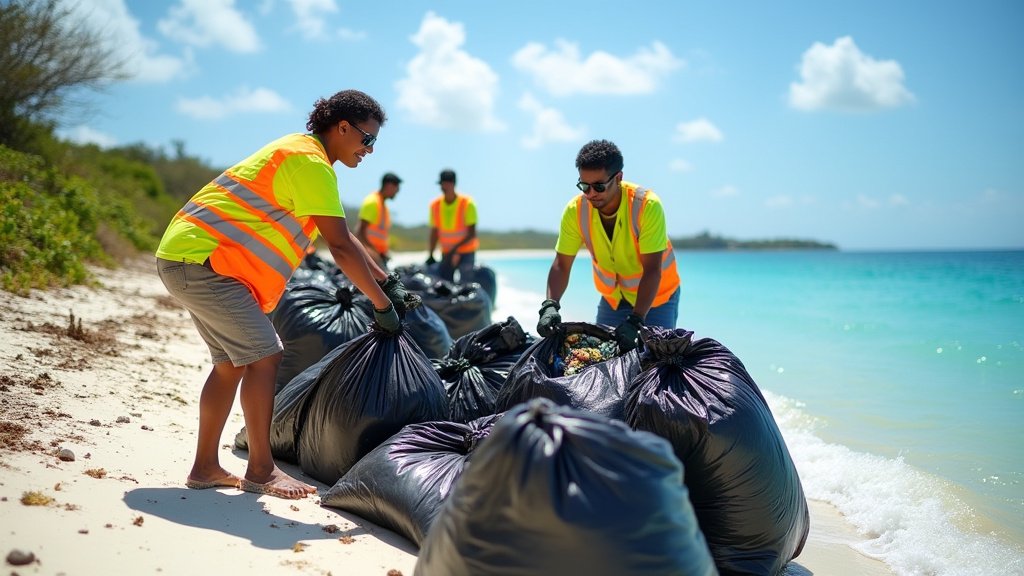
The National Solid Waste Management Authority (NSWMA), in a collaborative effort with the Grand Palladium Jamaica Resort and Spa and dedicated community volunteers, successfully executed a beach cleanup operation at Johnson Town Beach in Hanover. This initiative, which resulted in the removal of 25 bags of waste, serves as a crucial intervention to protect coastal health and enhance the environmental integrity of one of Hanover’s most utilized community spaces. By tackling the accumulation of marine debris and refuse, the partnership highlights the growing necessity of public-private cooperation in addressing Jamaica’s waste management challenges.
Key Highlights
- Coordinated Cleanup: The NSWMA mobilized resources alongside Grand Palladium staff and local volunteers to restore the shoreline of Johnson Town Beach.
- Impactful Removal: The team successfully extracted 25 bags of mixed waste, significantly reducing the immediate pollution burden on the marine environment.
- Strategic Partnership: This event underscores a shift toward corporate social responsibility (CSR) within Jamaica’s hospitality sector, linking resort operations directly to the health of the surrounding ecosystem.
- Coastal Protection: The operation serves as a preventative measure to curb marine pollution, protecting local biodiversity and community recreation areas.
Preserving the Hanover Coastline: A Collaborative Environmental Strategy
The Mandate of the NSWMA and Coastal Health
The National Solid Waste Management Authority (NSWMA) serves as the backbone of Jamaica’s waste management infrastructure. While the agency is primarily tasked with the collection and disposal of solid waste across the island, its mandate extends into environmental preservation and public education. The Johnson Town Beach cleanup is a practical application of the NSWMA’s commitment to maintaining coastal zones, which are often the final destination for mismanaged waste. By deploying staff to the Hanover coast, the NSWMA is not merely collecting trash; it is managing the critical intersection between land-based waste disposal systems and marine health.
Coastal zones like Johnson Town Beach are susceptible to the accumulation of plastic, microplastics, and other non-biodegradable debris brought in by ocean currents or discarded by beachgoers. Without regular interventions, this debris degrades the water quality, threatens marine life, and undermines the tourism appeal that sustains the local economy in Hanover. The NSWMA’s involvement provides the necessary technical oversight to ensure waste is disposed of correctly, rather than simply relocated.
Corporate Social Responsibility: The Grand Palladium Role
The participation of the Grand Palladium Jamaica Resort and Spa is a pivotal element of this initiative. For large-scale resorts located in Hanover, the beach is not just an amenity—it is the primary asset. Environmental degradation directly correlates with a loss of tourism value. By engaging their staff and resources in this cleanup, Grand Palladium demonstrates an evolving model of corporate social responsibility. They are shifting from passive observers to active participants in the preservation of the landscape that supports their operations.
This partnership also fosters a stronger bond with the local community. Johnson Town Beach is a public space, and its maintenance is a shared interest. When corporate entities invest their time and labor alongside local residents, it builds social capital and reinforces the idea that environmental stewardship is a collective responsibility, not one relegated solely to government agencies.
The Ecological Cost of Coastal Pollution
The 25 bags of waste removed during this operation represent a significant reduction in the environmental footprint at Johnson Town Beach. However, the true importance of the event lies in the message it sends about the long-term dangers of pollution. Marine debris—particularly plastics—breaks down into microplastics that enter the food chain, affecting everything from small crustaceans to larger fish populations in the Caribbean Sea.
Furthermore, debris such as abandoned fishing gear, food wrappers, and metal items creates physical hazards for both wildlife and humans. In an era of increasing climate sensitivity, the health of the coastline acts as a buffer. Mangroves, seagrasses, and clean sandy beaches are the first line of defense against storm surges and coastal erosion. By keeping these areas free of waste, organizations like the NSWMA and local partners are contributing to the broader resilience of the Hanover parish.
Future Outlook and Community Engagement
While a single cleanup operation is a vital tactical win, the long-term solution lies in systemic change. The NSWMA has identified that public education and improved waste disposal facilities near high-traffic beach areas are essential to preventing future pollution. Following the Johnson Town Beach project, there is an opportunity to scale these efforts, implementing more robust waste-collection schedules and perhaps installing permanent disposal infrastructure that can handle the influx of waste generated by both residents and tourists.
This project serves as a pilot model. The success at Johnson Town Beach proves that when the NSWMA provides the logistical framework and corporate partners contribute the human resource, meaningful change is possible. Moving forward, the focus will likely shift toward consistency—ensuring that beach health is maintained through proactive scheduling rather than reactive cleanup campaigns. For the residents of Hanover, this is a step toward reclaiming their coastline as a clean, sustainable, and thriving environment for future generations.
FAQ: People Also Ask
1. Why is the NSWMA involved in beach cleanups?
The NSWMA is the agency responsible for the collection and disposal of solid waste in Jamaica. They lead or partner in cleanups to ensure that waste removed from public spaces, such as beaches, is processed at authorized landfills, preventing improper dumping.
2. How do public-private partnerships help coastal health?
Partnerships between government agencies like the NSWMA and private entities like the Grand Palladium combine public logistical authority with private sector human and financial resources, allowing for larger, more effective cleanup operations than either could manage alone.
3. Is Johnson Town Beach a protected area?
Johnson Town Beach is a key community and recreational site in Hanover. While it may not have specific ‘protected area’ legal status like some national parks, its maintenance is prioritized to support local tourism and general environmental health.
4. What happens to the waste collected during these events?
The waste collected during NSWMA-led cleanups is transported to official waste management facilities. The NSWMA tracks this waste to ensure it is disposed of according to national environmental standards, moving it away from the fragile coastal ecosystem.