
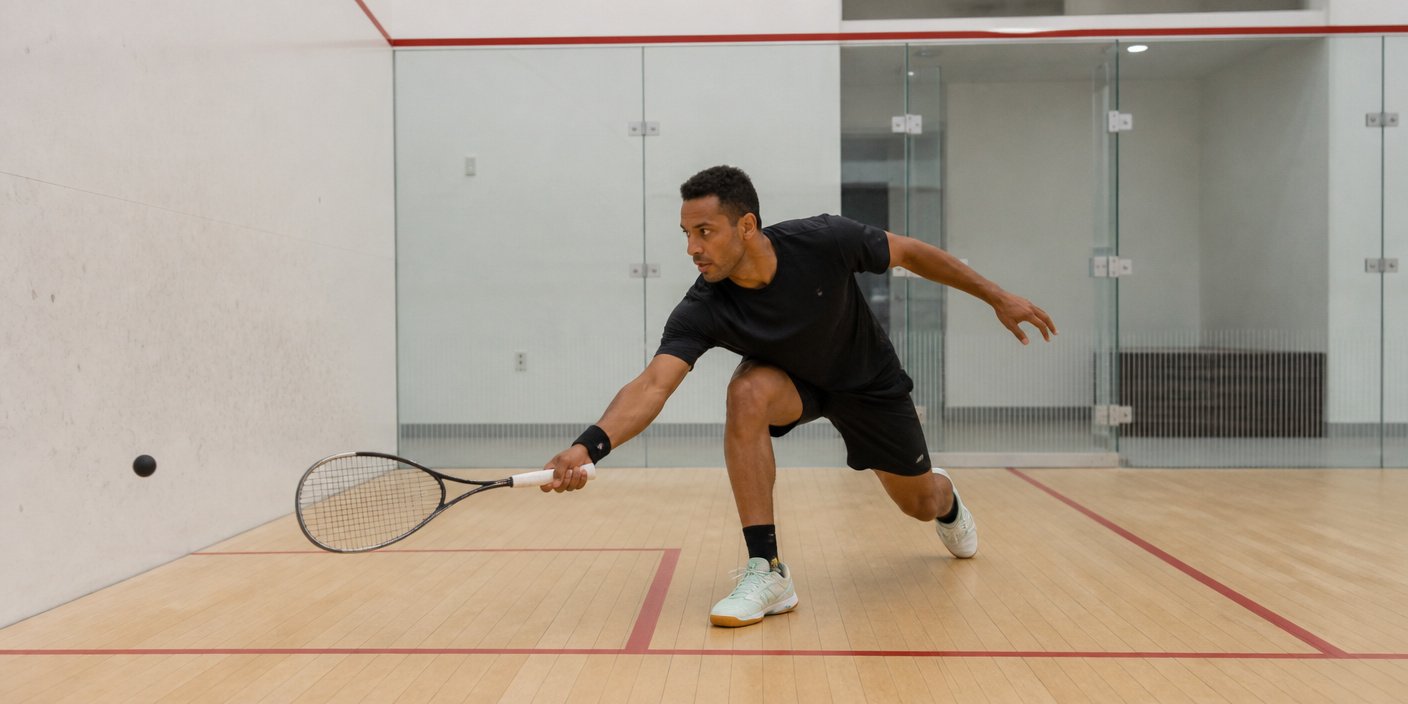
Chris Binnie, the most decorated name in Caribbean squash history, has officially reversed his retirement decision, re-entering the professional circuit to lead the Jamaican national team at the Pan American Games qualifiers in Asunción, Paraguay. This strategic return marks a pivotal moment for Jamaican athletics, as the nation looks to cement its position on the global squash map ahead of the sport’s much-anticipated Olympic debut at the 2028 Los Angeles Games.
Key Highlights
- The Veteran’s Return: Ten-time Caribbean squash champion Chris Binnie comes out of retirement to provide essential leadership and experience for the Jamaican squad.
- The Mission: The team’s primary objective in Asunción is securing a qualification pathway for the 2028 Los Angeles Olympic Games.
- Tournament Context: Binnie’s involvement is a calculated boost for Jamaica’s prospects in the high-stakes Pan American Games qualifying environment.
- Regional Impact: His return signals a shift in Jamaican sports strategy, prioritizing veteran tactical acumen to navigate the intense pressure of international qualifiers.
The Strategic Gamble for Olympic Qualification
The decision by Chris Binnie to pick up his racquet after stepping away from the professional game is not merely an act of personal ambition; it is a calculated masterstroke for the Jamaica Squash Association. Squash, a sport often characterized by its grueling physical demands and tactical complexity, is preparing for a watershed moment. With the sport’s inclusion in the 2028 Los Angeles Olympic program, every international qualifying event has escalated in importance, transforming continental qualifiers like those in Asunción into high-pressure furnaces.
Binnie’s presence in Paraguay is designed to stabilize a squad that, while talented, requires the steady hand of a ten-time regional champion to navigate the bracket. The Pan American Games qualifiers serve as the crucible for the Americas’ representation, and the competition density in Asunción is expected to be relentless. By returning, Binnie brings not only his technical repertoire—a blend of high-pace shot-making and defensive resilience—but also a mental fortitude that only years of professional circuit play can cultivate.
The Physiology of a Comeback
Returning to the professional level in squash, a sport that demands elite cardiovascular endurance and rapid-fire anaerobic recovery, is a daunting physical task. Binnie’s preparation for this qualifier has been a case study in specialized training. Modern professional squash requires a level of lateral explosive movement that places immense strain on the kinetic chain, particularly for athletes over 30.
However, Binnie’s understanding of the “t-position”—the central point of the court—remains world-class. His ability to control the flow of the game, forcing opponents into deep corners before dictating the pace, is an asset that training alone cannot replicate. This “court IQ” is why the Jamaican delegation prioritized his return. In the heat of the Paraguayan summer, where atmospheric conditions can affect ball bounce and speed, having a veteran who understands how to adjust tactics in real-time is invaluable.
Analyzing the Regional Landscape
The Caribbean squash landscape has historically been dominated by a handful of nations, but the gap is closing. Emerging programs are pushing the traditional powerhouses, making the qualifying pathways more treacherous than they were a decade ago. Binnie’s return is also an investment in the next generation of Jamaican players. By leading the charge, he provides a blueprint for younger athletes on how to prepare, mentally compartmentalize pressure, and execute game plans under tournament conditions.
This shift in strategy highlights a growing trend in Caribbean sports: the reliance on “player-coaches” or veteran leaders to bridge the gap between youth talent and international podiums. As the squad prepares for their fixtures, the focus is on tactical discipline. The Pan American qualification criteria are unforgiving, often hinging on a single tie or set difference, making every point earned in Asunción a potential decider for 2028.
The Road to LA 2028
The 2028 Olympic Games represent the holy grail for professional squash players who have spent decades fighting for the sport’s inclusion. For Binnie, this qualification cycle is the culmination of a career spent elevating the profile of squash in Jamaica. If Jamaica successfully maneuvers through the Asunción qualifiers, it will not just be a win for the team; it will be a foundational achievement for the sport’s infrastructure in the Caribbean.
The objective is clear: secure the necessary ranking points and team finishes to ensure Jamaica is present when the Olympic flame is lit in Los Angeles. While the road is long and the competition is fierce, the return of a figure with Binnie’s stature demonstrates the seriousness with which Jamaica is treating this golden opportunity.
FAQ: People Also Ask
Q: Why is Chris Binnie’s return significant for the 2028 Olympics?
A: As a ten-time Caribbean champion, Binnie brings elite-level experience and leadership to the Jamaican team. His presence is crucial for guiding the squad through the high-pressure qualifying tournaments necessary to secure a spot for squash’s historic debut at the 2028 Los Angeles Olympic Games.
Q: Where are the current Pan American Games qualifiers being held?
A: The qualifiers are taking place in Asunción, Paraguay, a high-stakes environment where teams are fighting to secure their qualification pathway for the upcoming Games.
Q: How does the inclusion of squash in the Olympics change the landscape for regional players?
A: The inclusion of squash in the 2028 Olympics has transformed the sport’s qualifying events into high-priority, professional-grade competitions. It requires nations to invest in veteran leadership and advanced training, moving away from amateur structures toward full-time performance programs.
Q: What specific assets does a veteran player like Binnie bring to the Jamaican squash team?
A: Beyond his physical skill, Binnie brings “court IQ”—the ability to read opponents, adapt tactics to changing court conditions, and maintain mental composure during long, physically exhausting rallies—all of which are essential for navigating international qualifiers.