
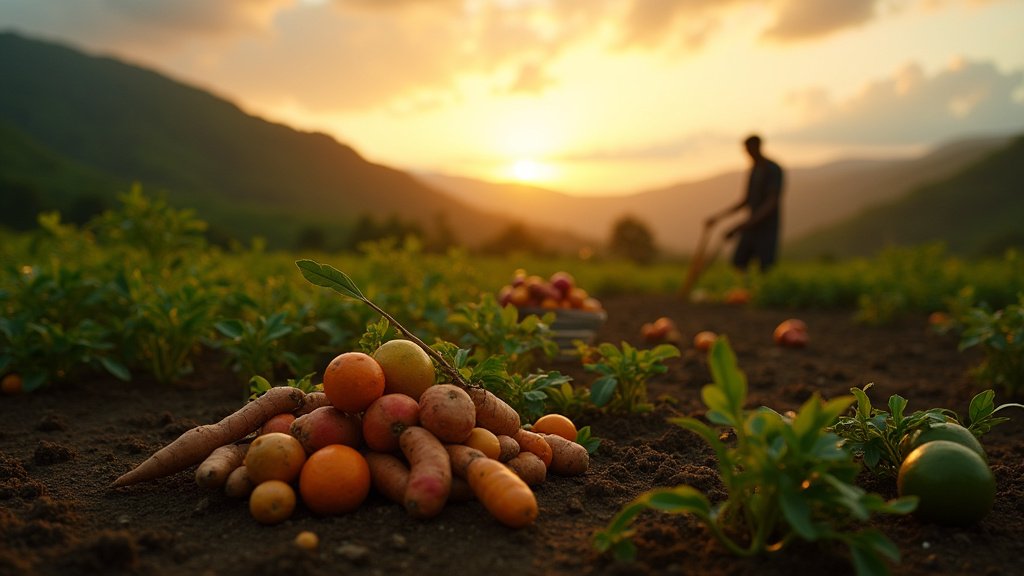
Jamaican fathers are increasingly finding purpose and prosperity in agriculture, moving beyond traditional perceptions to build stronger families and contribute to the nation’s food security. This growing trend sees men embracing farming not just as a livelihood, but as a vital role in nurturing their families and communities.
Key Highlights:
- Fathers are redefining their roles by engaging actively in agriculture.
- Farming provides economic stability and strengthens family bonds.
- The initiative contributes to Jamaica’s food security and agricultural sector.
- It offers a positive, hands-on alternative for engaged fatherhood.
Cultivating Futures: Jamaican Fathers Embrace Agriculture
The narrative surrounding fatherhood in Jamaica is undergoing a significant transformation, with an increasing number of men turning to agriculture as a cornerstone of their family’s well-being. This movement is cultivating more than just crops; it’s nurturing stronger family units, fostering economic resilience, and contributing to Jamaica’s self-sufficiency in food production. These fathers are demonstrating a profound commitment to their children and communities, using the land as a platform for positive change.
The Evolving Role of the Father
Traditionally, the image of a father might have been narrowly defined by certain economic or social expectations. However, the contemporary agricultural landscape in Jamaica is showcasing a more involved and multifaceted paternal figure. These fathers are not merely providers in the traditional sense; they are actively engaged in the day-to-day realities of farming. This hands-on approach allows them to impart valuable life lessons to their children, teaching them about hard work, perseverance, and the rewards of diligent effort. The shared experience of working the land can create powerful bonding opportunities, strengthening intergenerational relationships and instilling a sense of pride and responsibility.
Economic Empowerment Through the Soil
Agriculture offers a tangible pathway to economic empowerment for Jamaican fathers. In a country where the agricultural sector remains a vital part of the economy, embracing farming can lead to sustainable income streams. This is particularly crucial for ensuring family stability and providing children with better opportunities. Beyond individual households, this trend has a ripple effect on the broader community, stimulating local economies and contributing to national food security. By cultivating a variety of crops, these fathers are helping to reduce Jamaica’s reliance on imported food, promoting a more robust and self-sufficient nation. The Ministry of Agriculture and Fisheries plays a crucial role in supporting these initiatives through training, access to resources, and market linkages.
Beyond the Harvest: Nurturing a Legacy
The impact of these fathers extends far beyond the immediate economic benefits. They are creating a legacy of dedication, responsibility, and connection to the land. By actively participating in agriculture, they are demonstrating to their children the dignity of labor and the importance of contributing to society. This hands-on involvement can be a powerful antidote to social challenges, providing a constructive and fulfilling path. The focus on sustainable farming practices also instills a sense of environmental stewardship, ensuring that the land is cared for future generations. Organizations like the Jamaica 4-H Clubs often play a role in encouraging youth involvement in agriculture, learning from these dedicated fathers.
Challenges and Opportunities
While the trend is positive, challenges remain. Access to land, capital, and modern farming techniques can be significant hurdles. However, the growing recognition of the importance of these fathers in agriculture is leading to increased support from government agencies and non-governmental organizations. The potential for innovation in farming, such as agro-tourism or value-added products, also presents exciting opportunities for growth and further economic development.
FAQ: People Also Ask
What are the main agricultural products in Jamaica?
Jamaica’s agricultural sector is diverse, with key products including sugar, bananas, coffee, cocoa, pimento, citrus fruits, and tubers like yams and dasheen. Livestock and fisheries also contribute significantly.
How does agriculture contribute to Jamaica’s economy?
Agriculture is a vital foreign exchange earner through exports and a significant employer, particularly in rural areas. It also plays a crucial role in the domestic food supply chain and tourism sector.
What challenges do Jamaican farmers face?
Farmers often contend with issues such as praedial larceny (farm theft), praedial larceny, inadequate access to financing, vulnerability to climate change (hurricanes, droughts), and market access challenges.
Are there government programs supporting agriculture in Jamaica?
Yes, the Jamaican government, through the Ministry of Agriculture and Fisheries, implements various programs aimed at enhancing productivity, providing subsidies, promoting climate-smart agriculture, and supporting farmer cooperatives.
How can fathers in agriculture positively influence their children?
Fathers involved in agriculture can teach their children valuable lessons about hard work, patience, responsibility, environmental stewardship, and the rewards of honest labor. This shared activity can also foster strong family bonds and a sense of pride in their heritage and contribution to society.