
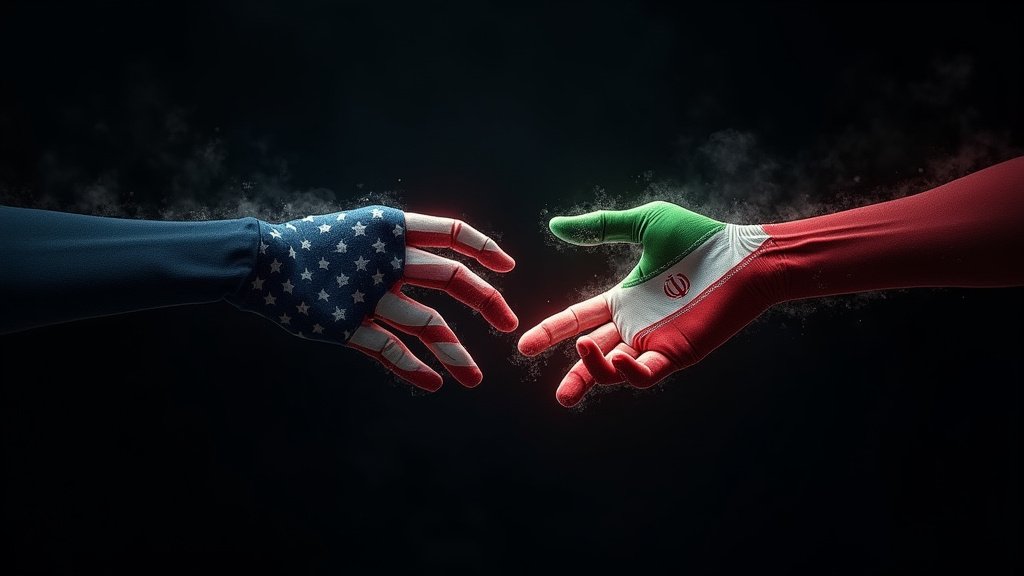
Israeli forces conducted strikes in southern Lebanon today, a development occurring as crucial US-Iran diplomatic talks have been postponed. The military actions in Lebanon signal a potential escalation of regional tensions, drawing international attention to the volatile situation. The postponement of discussions between the United States and Iran adds another layer of complexity to the geopolitical landscape, raising concerns about the immediate future of diplomatic engagement.
Key Highlights:
- Israeli military targeted locations in southern Lebanon.
- US-Iran diplomatic talks have been indefinitely postponed.
- The strikes in Lebanon raise concerns about regional de-escalation.
- International observers are closely monitoring the unfolding events.
Regional Tensions Simmer Amid Diplomatic Setbacks
Escalation in Southern Lebanon
Israeli military operations in southern Lebanon mark a significant uptick in cross-border activity. While details remain scarce, the strikes are seen by analysts as a forceful response to ongoing provocations or a pre-emptive measure against perceived threats. The region has long been a flashpoint, with the border between Israel and Lebanon being a theater for intermittent conflict and heightened security concerns. The Lebanese Hezbollah militant group, a key adversary of Israel, operates significantly in southern Lebanon, and any Israeli action in the area is scrutinized for its potential to ignite a wider confrontation.
Postponement of US-Iran Talks
Simultaneously, the highly anticipated diplomatic engagement between the United States and Iran has been called off. The reasons for the postponement have not been fully disclosed, but such delays often stem from complex geopolitical calculations, internal political pressures, or a lack of substantive progress in preliminary stages. These talks were seen as a critical avenue for addressing a range of issues, including Iran’s nuclear program, regional security, and the lifting of sanctions. Their indefinite delay casts a shadow over prospects for de-escalation and dialogue in a region already fraught with instability. The postponement could embolden hardliners in both nations and reduce the space for diplomatic solutions.
Intertwined Geopolitical Threads
The confluence of these two events is particularly concerning. The Israeli strikes in Lebanon could be perceived by Iran and its proxies as a challenge, potentially leading to retaliatory actions that further destabilize the region. Conversely, the lack of progress in US-Iran diplomacy might embolden regional actors to pursue more assertive or confrontational policies, knowing that direct diplomatic channels for de-escalation are currently inactive. The international community, including the United Nations and key global powers, is grappling with how to manage these intertwined crises and prevent a broader conflict. The implications extend beyond the immediate vicinity, affecting global energy markets and international security alliances.
Historical Context and Future Outlook
This latest episode is not an isolated incident but part of a long-standing pattern of conflict and tension in the Middle East. Decades of unresolved grievances, proxy conflicts, and nuclear proliferation concerns have created a volatile environment. The current situation demands careful diplomatic maneuvering and a commitment to de-escalation from all parties involved. The postponement of the US-Iran talks, in particular, represents a missed opportunity for dialogue at a critical juncture. Moving forward, the focus will be on whether diplomatic channels can be reopened and whether de-escalation efforts can succeed in preventing further military confrontations, especially in the sensitive border regions.
FAQ: People Also Ask
What are the primary concerns regarding Israeli military strikes in southern Lebanon?
The main concerns revolve around the potential for escalation into a wider regional conflict, the risk of civilian casualties, and the destabilization of an already volatile border region. These actions can provoke retaliatory measures from groups like Hezbollah, drawing Israel into a more significant military engagement.
Why are US-Iran talks important, and why is their postponement significant?
These talks are crucial for managing Iran’s nuclear program, addressing regional security issues, and potentially easing sanctions. Their postponement signifies a setback for diplomatic engagement and could lead to increased tensions or a more assertive stance from Iran, with ripple effects across the Middle East.
How do events in Lebanon affect the broader Middle East geopolitical landscape?
Events in Lebanon, particularly those involving Israel and Hezbollah, are closely watched as indicators of regional stability. Escalations in this area can trigger responses from Iran and its allies, influencing conflicts in Syria, Iraq, and Yemen, and impacting global energy security.
What role does international diplomacy play in de-escalating these tensions?
International diplomacy is vital for facilitating dialogue, imposing sanctions or offering incentives, and mediating conflicts. The UN and major global powers attempt to convene talks, monitor ceasefires, and prevent further military buildup. However, the effectiveness of diplomacy often depends on the willingness of the involved parties to engage constructively.
What are the potential economic consequences of increased conflict in the region?
Increased conflict can disrupt oil and gas supplies, leading to price volatility in global energy markets. It can also deter foreign investment, damage infrastructure, and lead to significant economic instability within the affected countries and their trading partners.