
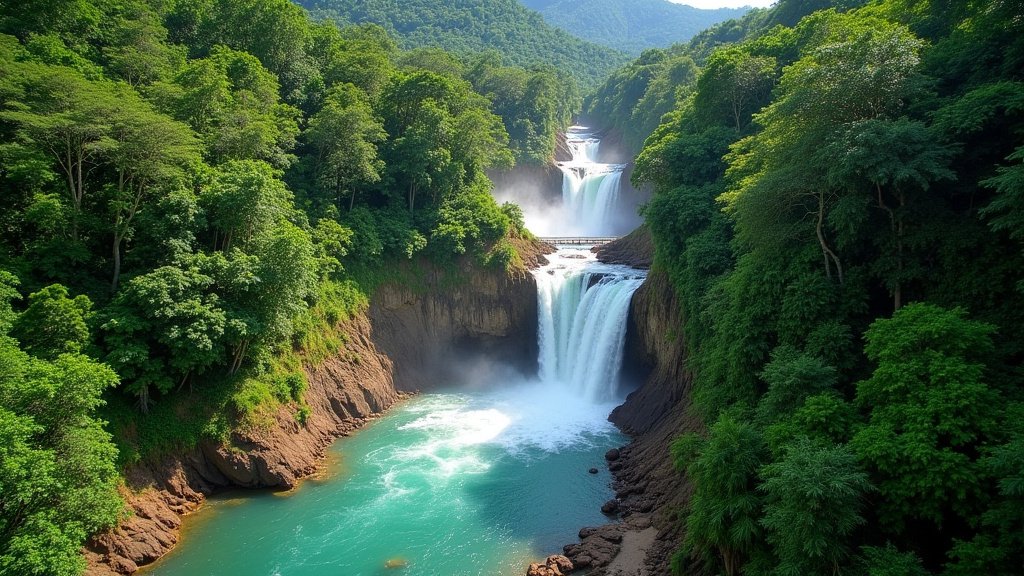
The Urban Development Corporation (UDC) has moved to address public apprehension regarding the future of Jamaica’s most iconic natural landmark, Dunn’s River Falls. Following widespread discourse over the site’s planned physical and operational transformation, the UDC has officially confirmed that local resident pricing will be ring-fenced, ensuring that the attraction remains accessible to Jamaicans despite the upcoming, extensive upgrades. This pivotal commitment aims to strike a delicate balance between modernizing the country’s tourism infrastructure and upholding the social contract that keeps Jamaica’s national treasures open to its own citizens.
Key Highlights
- Pricing Protection: The UDC has issued a formal assurance that tiered pricing for local residents will remain in effect, shielding the domestic population from the costs associated with premium international upgrades.
- All-Day Destination: The planned upgrades are designed to transition the park from a quick-stop excursion into a comprehensive, multi-faceted destination, increasing the duration of stay for global visitors.
- UDC Oversight: As the state agency responsible for the development, the UDC is balancing commercial revenue growth with its mandate to preserve public access to cultural and environmental heritage.
- Economic Balancing Act: The project seeks to maximize foreign exchange earnings while preventing the ‘pricing-out’ of local families, a common concern in global tourism development projects.
Safeguarding Jamaica’s National Heritage and Accessibility
The Dunn’s River Falls and Park Upgrade Project represents one of the most ambitious infrastructure initiatives undertaken by the Urban Development Corporation (UDC) in recent memory. At its core, the project seeks to modernize the facilities to meet global standards of comfort and capacity, yet this ambition has raised valid questions about the potential commercialization of the site. The UDC’s recent declaration acts as a regulatory buffer, ensuring that the modernization process does not inadvertently transform a national heritage site into an exclusive, high-cost enclave.
The UDC Mandate: Oversight and Protection
The Urban Development Corporation functions not merely as a commercial developer but as a guardian of significant public assets. In the context of Dunn’s River, the UDC has had to manage the conflicting pressures of rising operational costs and the need to maintain affordable access. By prioritizing resident-specific pricing structures, the UDC is signaling that the ‘Dunn’s River experience’ is an essential component of Jamaican identity. This policy ensures that the site remains a viable weekend destination for Jamaican families, preventing the erosion of local connection to one of the island’s most significant geological and historical landmarks.
Evolution of the ‘All-Day’ Destination Model
The planned upgrades are not cosmetic; they are structural and functional. The initiative aims to move beyond the traditional model—where visitors typically spend a few hours climbing the falls and then depart—into an ‘all-day destination.’ This involves expanding amenities, integrating retail, enhancing culinary experiences, and adding high-tech interactive elements. From a logistical standpoint, increasing the ‘dwell time’ of tourists is essential for revenue optimization. However, the UDC’s commitment to resident pricing acknowledges that for local visitors, the primary value proposition remains the falls themselves. By ring-fencing local entry fees, the Corporation allows international travelers to subsidize the broader destination upgrades while maintaining the integrity of local access.
The Socio-Economic Architecture of Modern Tourism
To understand the magnitude of this decision, one must look at the broader economic landscape of the Caribbean tourism sector. As visitor numbers fluctuate and global competition intensifies, the pressure to monetize every square meter of high-traffic tourism sites is immense. However, the ‘Dunn’s River Approach’ offers a distinct strategy for sustainable development.
Balancing Revenue and Resident Access
The economic viability of the park relies on a dual-revenue stream: premium international tickets and subsidized local access. This is not charity; it is a long-term strategic decision. By keeping the park affordable for Jamaicans, the UDC fosters a sense of national pride and encourages internal tourism. This domestic support is crucial, providing a stable foundation for the park’s revenue even during the volatile off-seasons when international travel may dip. The policy serves as a hedge against global economic instability, anchoring the park’s success in its local popularity.
Infrastructure Upgrades and Capacity Building
The ‘all-day’ strategy also requires sophisticated management of foot traffic and environmental impact. The UDC is investing in upgraded water treatment, waste management, and improved pedestrian pathways. While these infrastructure costs are significant, they are necessary to accommodate a higher volume of visitors without damaging the geological integrity of the falls. The UDC’s announcement suggests that these infrastructure costs will be amortized through diversified commercial offerings—such as luxury retail and premium dining—rather than through inflated entry fees for local citizens. This ‘value-add’ model allows the site to generate revenue from elective, premium services while keeping the essential experience of the falls accessible.
Historical Context and Sustainable Growth
Dunn’s River Falls is not merely a revenue driver for the Jamaican Ministry of Tourism; it is a symbol of the nation’s natural beauty and a cornerstone of the Jamaican experience. The historical weight of the site means that any alterations are scrutinized by the public and environmentalists alike.
Beyond the Falls: A Holistic Development
As the UDC moves forward with the renovation, the focus is expanding beyond the cascades themselves. The surrounding parklands are being repurposed to offer a more holistic Jamaican experience. This includes potential educational centers, enhanced botanical trails, and better connectivity to nearby St. Ann heritage sites. By diversifying the offering, the UDC is creating a buffer against the ‘single-attraction’ failure mode, where a site loses its appeal once the primary feature (the climb) is completed. This holistic approach is essential for maintaining the long-term relevance of the attraction.
Ensuring Sustainable Growth
The UDC’s clear directive regarding pricing protection is a move toward ‘inclusive growth.’ It recognizes that for a tourism destination to be truly successful in the modern era, it must be embraced by the local community. By securing resident pricing, the UDC is not only preventing a PR crisis but is also cementing the park’s role as a staple of Jamaican social life. This approach sets a potential blueprint for other state-managed tourism assets across the Caribbean, demonstrating that modernization and heritage preservation are not mutually exclusive if handled with clear, transparent, and equitable policy.
FAQ: People Also Ask
1. Will the upgrades reduce the amount of time I can spend at the falls?
No. The upgrade to an ‘all-day destination’ is designed to increase the number of activities available, allowing visitors to spend more time on-site, not less.
2. How does the UDC plan to differentiate pricing for locals?
Similar to existing policies, the UDC will continue to require valid Jamaican identification or proof of residency at point-of-entry gates to apply local rates, ensuring the policy is enforced while remaining user-friendly.
3. Is the project being outsourced to a private developer?
The Urban Development Corporation (UDC) retains primary management and oversight. While the UDC may partner with vendors for specific amenities (like retail or dining), the park management and pricing structures remain under the regulatory authority of the state.
4. Will there be any ‘premium-only’ zones at the park?
While the park will introduce premium experiences and services to generate revenue, the primary objective remains accessibility. The UDC has affirmed that the core attraction—the falls themselves—will remain accessible to all residents, preventing the creation of ‘pay-to-play’ exclusive zones for the natural landmark.