
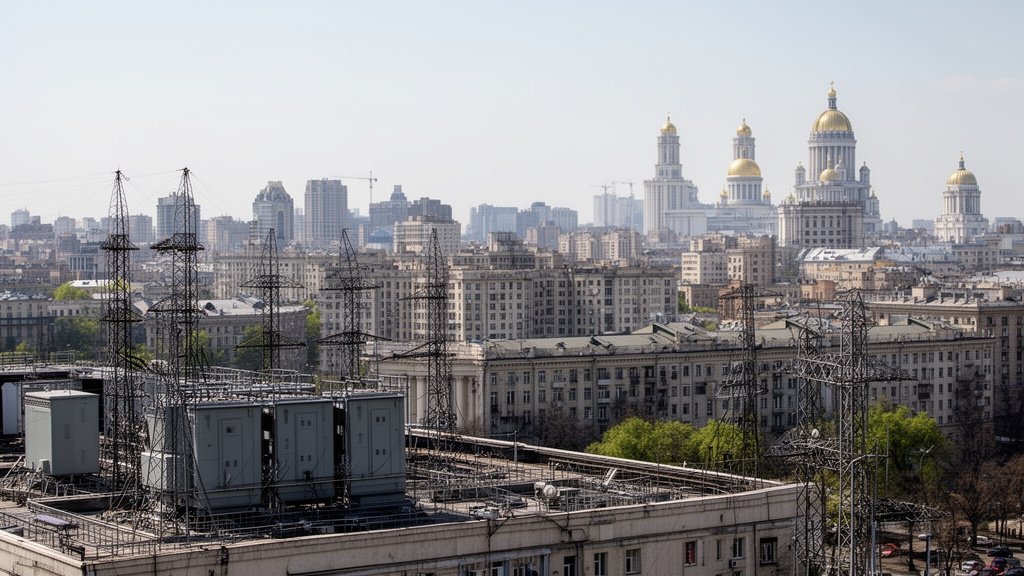
Russian forces have launched a devastating series of aerial attacks on Kyiv, resulting in at least 10 confirmed deaths and significant infrastructure damage. The assault occurred as the Ukrainian government officially acknowledged that its critical stockpiles of Patriot interceptor missiles have been fully exhausted, leaving the capital dangerously exposed to future saturation strikes. In a separate development that underscores the spreading volatility of the conflict, a blast in Moscow has claimed 3 lives, marking a sharp and unpredictable escalation in the regional struggle.
Key Highlights
- Kyiv Under Siege: A Russian bombardment of the Ukrainian capital has resulted in 10 civilian fatalities and widespread destruction.
- Critical Defense Gap: The Ukrainian military has confirmed the exhaustion of Patriot interceptor missile supplies, creating a dangerous vulnerability for metropolitan centers.
- Moscow Blast: A distinct explosion within Moscow has left 3 people dead, further complicating the geopolitical landscape.
- Escalation Risks: Analysts warn that the combination of depleted air defenses and retaliatory strikes inside Russia could trigger a more intense and unpredictable phase of the conflict.
The Fragility of Modern Air Defense
The admission by Ukrainian officials that the Patriot surface-to-air missile system is currently without interceptor ammunition represents a pivotal moment in the war. For months, the Patriot system—an advanced, American-made technology—has served as the primary shield for Kyiv against Russia’s sophisticated ballistic and hypersonic missile arsenal. By intercepting these high-speed threats, the Patriot system has allowed the capital to function despite continuous threats from the Kremlin’s air forces.
The Logistics of Exhaustion
This depletion is not merely a tactical failure but a logistical bottleneck. The Patriot PAC-3 and GEM-T interceptors are complex, expensive, and time-consuming to manufacture. Even with accelerated production schedules in the United States and within the European industrial base, the lead times for delivery remain substantial. The exhaustion of these stocks forces Ukrainian military commanders to make impossible choices regarding which assets—critical power grids, government infrastructure, or densely populated civilian areas—to protect with remaining, less capable, Soviet-era legacy systems.
Russian Strategic Calculation
The timing of this attack appears calculated. By unleashing a concentrated volume of missiles, Russian forces likely sought to saturate existing defense networks, knowing that the interceptor count was nearing zero. This ‘saturation strike’ doctrine is designed to overwhelm radar tracking and defensive batteries, ensuring that while some projectiles are intercepted, others reach their targets with devastating effect. The casualty count of 10 civilians in Kyiv is a direct consequence of this gap in protective coverage.
Moscow’s Volatile Internal Situation
While the focus remains on the devastation in Kyiv, the blast in Moscow, which resulted in 3 deaths, introduces a new variable of internal insecurity. While the origin and cause of the Moscow explosion remain under intense scrutiny by Russian state media and security agencies, the incident serves to demonstrate that the regional conflict is no longer confined to the frontlines or the territory of Ukraine.
Intelligence Voids and Speculation
Historically, explosions within Russia have been used by the Kremlin to justify internal crackdowns or to galvanize public opinion behind the ‘special military operation.’ However, the occurrence of such an event amidst a major offensive against Kyiv suggests a failure in regional security, or perhaps a retaliatory incident that Russian authorities are struggling to manage. The inability of domestic intelligence to prevent such a blast, even while the military focuses on the Ukrainian theater, reveals a potential stretch in Russian administrative resources.
Future Predictions: A Winter of Uncertainty
As the conflict enters this new phase, the implications are profound. If international military aid—specifically in the form of replenishing Patriot and other high-end anti-air munitions—does not arrive immediately, the strategic balance could shift significantly. Moscow may feel emboldened to launch more frequent, lower-cost drone and missile attacks, knowing that the cost of interception has effectively prohibited Ukraine from engaging every threat. Conversely, if Ukraine shifts tactics to target deep-state logistical hubs inside Russia to alleviate the pressure, the ‘red lines’ that have governed the conflict thus far may vanish entirely.
FAQ: People Also Ask
1. Why is the Patriot missile system so critical to Kyiv’s defense?
The Patriot system is one of the few platforms capable of engaging high-speed ballistic missiles, including the Russian Kinzhal hypersonic missile. Without it, Kyiv is significantly more vulnerable to strikes against which traditional anti-aircraft artillery is largely ineffective.
2. What is the significance of the Moscow blast?
The blast in Moscow, resulting in 3 deaths, highlights the unpredictable nature of the current conflict. It raises questions about internal security within Russia and whether the ongoing war is beginning to directly impact the safety of the Russian populace, which could alter the domestic political narrative.
3. Can Ukraine replenish its Patriot missiles quickly?
Replenishing Patriot interceptors is a complex global supply chain challenge. The missiles require highly specialized components and manufacturing processes that cannot be scaled up overnight. Immediate replenishment depends entirely on the rapid transfer of existing stocks from NATO allies, which involves complex political and military decision-making processes.