
A New Strategy for a Cleaner Jamaica: Community Partnership as the New Frontier
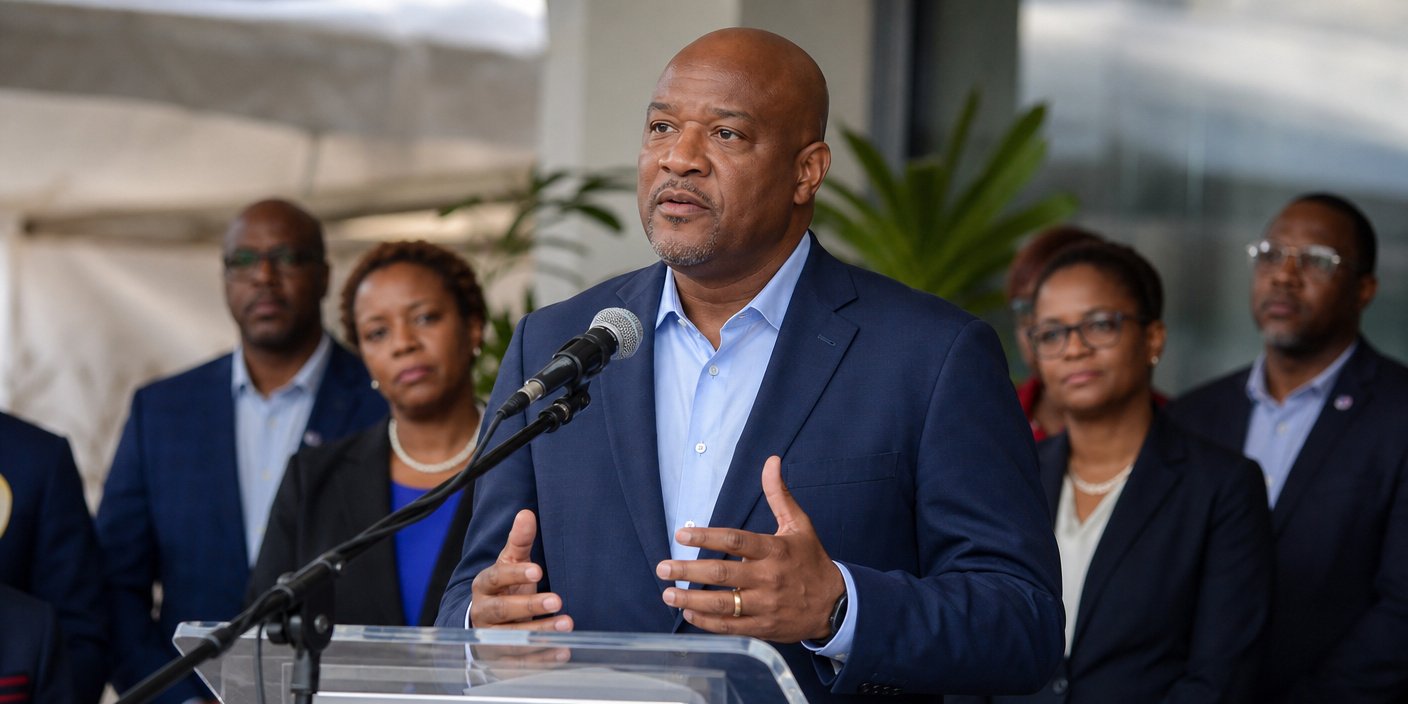
The National Solid Waste Management Authority (NSWMA) has officially declared that the battle for a cleaner Jamaica cannot be won by government resources alone. Executive Director Audley Gordon has issued a stern and urgent call to action, urging citizens to take ownership of their local communities. This directive marks a pivotal shift in the agency’s approach, moving from a purely top-down service model to a collaborative, partnership-based framework. As the island faces rising challenges related to waste accumulation, illegal dumping, and the resulting public health implications, the call for community vigilance has never been more pressing.
The Operational Reality of NSWMA
At the heart of the NSWMA’s mission is the daunting task of managing waste across 14 parishes. The logistics are significant: maintaining a fleet of compactor trucks, coordinating regional collection routes, and managing disposal sites. However, the agency often struggles against the tide of illegal dumping, which clogs drainage systems, invites pests, and creates eyesores that detract from community pride. Audley Gordon has emphasized that the NSWMA’s capacity to deliver efficient service is intrinsically linked to the level of cooperation they receive from the public.
The agency is currently pushing for residents to be more methodical about how they store waste prior to collection. By ensuring that garbage is bagged properly and placed in designated receptacles—rather than left on street corners—citizens can significantly reduce the strain on the NSWMA’s logistics chain. This simple act of compliance allows collection crews to work faster and more efficiently, thereby increasing the frequency and reliability of service across the island.
The Health-Environment Nexus: Why Waste Management is Public Health Policy
One of the primary drivers behind the NSWMA’s recent plea is the direct correlation between improper waste disposal and public health crises. In Jamaica, the accumulation of waste—particularly in urban centers and informal settlements—is a major contributor to vector-borne disease outbreaks, including Dengue and Leptospirosis. Discarded containers, tires, and unrefrigerated organic waste become breeding grounds for the Aedes aegypti mosquito and a haven for rodents.
This isn’t merely an aesthetic issue; it is a critical public health strategy. The Ministry of Local Government and Community Development, which oversees the NSWMA, has long recognized that a cleaner environment is a direct defense against health epidemics. When communities work with the NSWMA to keep common areas clear, they are not just engaging in civic duty—they are proactively protecting their families from preventable health risks. This synergy between sanitation and public health policy highlights why the NSWMA’s request for citizen involvement is an essential component of the national health strategy.
The Economic Argument for Collaborative Cleanup
The economic impact of waste management in Jamaica is frequently underestimated. The cost of clearing illegal dump sites, often in remote or difficult-to-access terrain, diverts millions of dollars away from other critical infrastructure projects. When citizens dump waste illegally, the NSWMA must deploy crews, machinery, and fuel to areas that were never part of the original collection budget.
By fostering a culture where communities actively police their own waste disposal practices, the government stands to save significant taxpayer funds that could otherwise be reinvested into modernizing the waste collection fleet, upgrading disposal technology, or improving landfill management facilities. For the average Jamaican, this represents a tangible financial benefit: efficient local governance leads to better utilization of national resources. The push for community action is, therefore, also an economic imperative designed to make the country’s infrastructure more resilient and cost-effective.
Future-Proofing Waste Management
Looking ahead, the NSWMA is exploring long-term solutions, including increased recycling initiatives and public-private partnerships aimed at waste-to-energy projects. However, these technological advancements will only succeed if the foundational behavior of society changes. Education remains the cornerstone of this evolution. The agency is looking to partner with community leaders, church groups, and school boards to instill sustainable habits in the next generation. The vision is to transition Jamaica into a society where waste is viewed as a resource to be managed rather than a problem to be discarded. Through the ‘Clean Jamaica’ campaigns and similar initiatives, the agency hopes to foster a culture of sustainability that persists long after the collection trucks have passed through.
FAQ: People Also Ask
How can I report an illegal dumping site in my community?
Citizens are encouraged to contact their local NSWMA regional office directly or utilize the agency’s official website/helpline. Providing specific location details and, where safe, photographic evidence can help the enforcement team identify and clear the site more effectively.
What does the NSWMA consider ‘proper’ waste storage?
Proper storage involves bagging all household waste securely to prevent spillage. It should be kept in a covered, vermin-proof bin that is easily accessible to collection crews on designated pickup days. Avoid placing loose garbage on the ground, as this encourages pests and makes collection labor-intensive.
Are there penalties for illegal dumping?
Yes. The NSWMA, working in conjunction with local municipal police and the National Solid Waste Management Act, has the authority to issue notices and levy fines against individuals and businesses found disposing of waste in unauthorized areas. Enforcement is a critical part of the agency’s strategy to deter repeat offenders.
How often should my community expect garbage collection?
Collection schedules vary by parish and community density. Residents should familiarize themselves with their specific route schedule provided by their local NSWMA office. While the agency strives for consistency, factors such as vehicle breakdown, traffic, or weather conditions can impact timing, making community cooperation in storing waste correctly even more critical.