
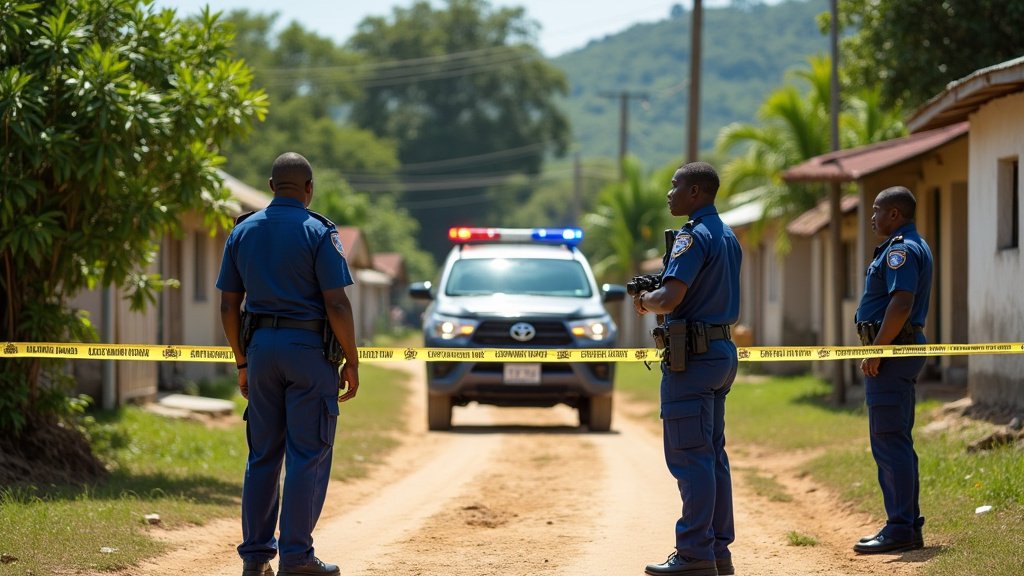
Tensions escalated sharply in the parish of Trelawny, Jamaica, this week after the discovery of a young child’s body triggered a violent vigilante response, leaving two individuals hospitalized with injuries sustained in a mob attack. The incident has prompted an urgent and ongoing investigation by the Jamaica Constabulary Force (JCF), as authorities scramble to maintain public order amidst deep community outrage. The event serves as a harrowing reminder of the volatility that can erupt when public trust in swift justice fails.
The Sequence of Events
The incident began when members of a Trelawny community made the grim discovery of a child’s body, the circumstances of which are currently being treated as suspicious by the Trelawny Police Division. Following the discovery, emotions reached a boiling point among local residents, quickly spiraling into a mob-led assault. Two individuals, who were allegedly suspected by the crowd of having involvement in the child’s death, were intercepted by the irate residents. The resulting attack left both victims with significant physical injuries. Law enforcement arrived on the scene to de-escalate the situation, yet the damage had already been inflicted, and the investigation into the original crime—the death of the child—has now been compounded by a secondary investigation into the mob violence itself.
The Crisis of Vigilantism and the Rule of Law
The Breakdown of Public Order
Vigilantism in Jamaica remains a persistent and complex challenge, often fueled by an underlying perception that the formal justice system operates too slowly to address heinous crimes. When a child is the victim, this frustration is amplified, creating a powder-keg environment. Sociologists and legal experts in the region have long warned that mob attacks—while often driven by a sense of moral urgency among perpetrators—represent a fundamental breakdown in the social contract. By taking the law into their own hands, mobs not only risk punishing the innocent but also compromise the integrity of crime scenes, making the pursuit of truth through forensic evidence nearly impossible.
Legal Ramifications
The Jamaica Constabulary Force has issued repeated warnings that acts of vigilante justice are criminal offenses. Individuals involved in mob attacks, regardless of the perceived justification, face severe legal consequences, including charges of assault, grievous bodily harm, and even murder if the victims die as a result of the beating. The tragedy in Trelawny is a stark case study in the dual-threat environment facing Jamaican law enforcement: they are simultaneously tasked with solving the initial crime while actively protecting suspects—and potential witnesses—from immediate communal violence. This duality often stretches resources thin in rural parishes like Trelawny, where community members may act as a cohesive, protective unit, sometimes shielding the truth or, conversely, acting on rumors that have not been vetted by investigators.
Investigative Challenges in Rural Settings
In rural districts such as those found in Trelawny, forensic processing is often delayed due to geographical spread and the time required for specialist units to reach the scene. When a mob descends upon a location, they disrupt the preservation of critical evidence. DNA samples, potential fingerprints, and the positioning of the body—all vital for the JCF to construct a timeline—can be contaminated or destroyed. Furthermore, the fear of reprisal can lead to a ‘code of silence’ among residents, hindering the flow of intelligence to the police. The current situation in Trelawny is being handled by senior investigators who must now prioritize securing the area, gathering forensic data, and navigating the social friction of a traumatized, angry population.
Community Trauma and the Path Forward
The loss of a child is an irreparable blow to any community, and the subsequent violence only deepens the trauma. Beyond the immediate police investigation, there is an urgent need for restorative dialogues within Trelawny. When residents feel compelled to act as judge, jury, and executioner, it indicates a failure of communication between the state and the citizens it protects. Moving forward, the focus must shift toward community policing strategies that increase the presence of officers and build trust before tragedies occur. Only by strengthening the relationship between the local populace and the JCF can the parish hope to prevent the cycle of violence from repeating itself. The government is expected to provide updates on the medical status of the two injured individuals, and the public is urged to allow the justice system to proceed with due process.
FAQ: People Also Ask
1. What is the current status of the two individuals injured in the mob attack?
Authorities have confirmed the two individuals were transported to a medical facility for treatment. Their specific conditions have not been publicly disclosed, but they remain under police guard as the investigation continues.
2. Is mob justice legal in Jamaica?
No. The Jamaican legal system strictly prohibits vigilante justice. Engaging in mob violence is a serious criminal offense that can lead to lengthy prison sentences, regardless of the motivation behind the actions.
3. How is the JCF managing the investigation in Trelawny?
The Jamaica Constabulary Force has deployed investigative units to process the scene where the child’s body was found. Simultaneously, they are reviewing footage and interviewing witnesses to identify those responsible for the mob assault, emphasizing that both cases are being treated with the utmost priority.