
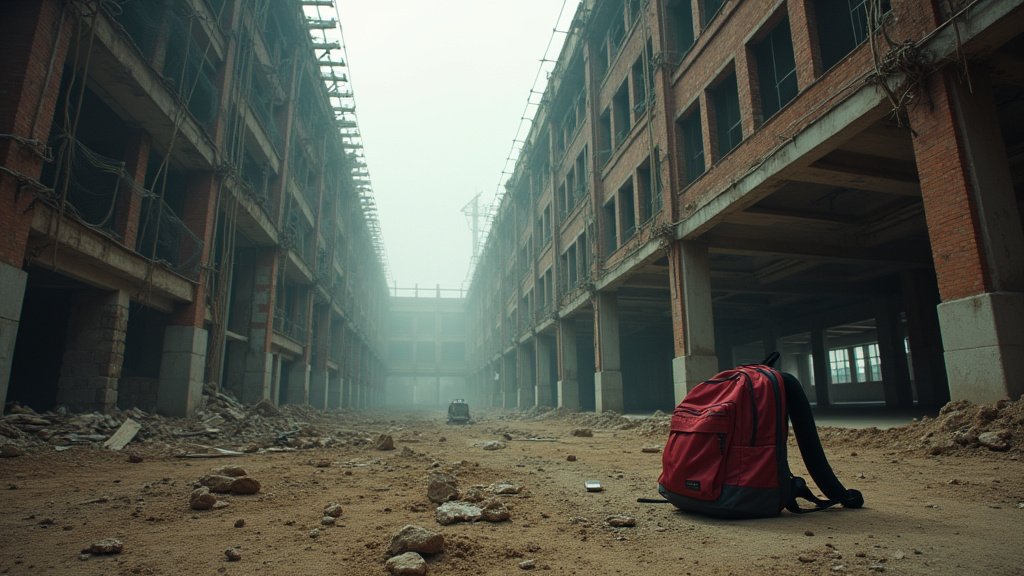
Parents and community members in Westmoreland have staged a protest, citing significant delays and a perceived lack of progress in the reconstruction of the local high school. The demonstration highlights growing frustration over the stalled project, with concerns mounting about the impact on students and the educational environment.
Key Highlights:
- Protestors voiced anger over the prolonged delays in Westmoreland High School’s reconstruction.
- Community members are demanding answers and immediate action from project stakeholders.
- Concerns are high regarding the impact of the delays on the current academic year.
- Calls for increased transparency and accountability from the responsible authorities.
Westmoreland High Reconstruction: A Community’s Growing Frustration
The reconstruction of Westmoreland High School has become a flashpoint for community discontent, as parents, students, and concerned citizens took to the streets to voice their outrage over the seemingly endless delays. The project, initially slated for completion much sooner, has been plagued by a series of setbacks, leading to a crescendo of frustration that culminated in a public protest. The core of the anger stems from a lack of visible progress and a perceived lack of clear communication from the entities responsible for overseeing the reconstruction. This stalled project is not just an inconvenience; it’s an educational disruption that is beginning to have tangible effects on the students who are forced to learn in makeshift or inadequate facilities.
Roots of the ‘Repair Rage’
The “Repair Rage” phenomenon can be traced back to the initial announcement of the reconstruction plans. While the need for upgrades was widely acknowledged, the timeline and execution have since become a source of significant anxiety. Various factors have been cited for the delays, ranging from supply chain issues and labor shortages to alleged mismanagement and bureaucratic hurdles. Community leaders have pointed fingers at the Westmoreland School District and the construction firm contracted for the job, demanding accountability for the missed deadlines and the escalating costs, which often accompany such protracted projects. The lack of transparency regarding the exact nature of these delays has only served to fuel speculation and deepen the mistrust between the community and the authorities.
Impact on Students and Education
The most profound consequence of the stalled reconstruction is the impact on the student body. Learning environments are reportedly compromised, with some classes possibly relocated or operating under strained conditions. This situation not only affects academic performance but also student morale and well-being. The psychological toll of learning in a construction zone, or in temporary accommodations, can be significant. Furthermore, the delay in providing modern, safe, and conducive learning spaces raises questions about the district’s commitment to providing a quality education. The long-term implications of underfunded or poorly managed infrastructure projects can resonate for years, affecting the school’s reputation and its ability to attract and retain both students and staff.
Demands for Transparency and Action
The protestors’ demands are clear: immediate action and complete transparency. They are calling for a detailed, public explanation of the delays, a revised and realistic timeline for completion, and assurances that such issues will not recur. Community organizers have suggested the formation of a citizen oversight committee to monitor the project’s progress. They are also exploring options for legal recourse if accountability cannot be established through existing channels. The “Repair Rage” is a symptom of a larger issue – the need for effective project management and genuine community engagement in public works.
FAQ: People Also Ask
What is the main reason for the protest at Westmoreland High School?
The protest is primarily due to significant delays and a lack of visible progress in the ongoing reconstruction of Westmoreland High School, leading to community frustration and concerns about educational disruption.
Who is responsible for the stalled reconstruction project?
Responsibility is currently attributed to a combination of factors including the Westmoreland School District, the contracted construction firm, and potentially broader issues like supply chain disruptions and bureaucratic processes. Community members are demanding clearer accountability.
How are the construction delays affecting students?
The delays are impacting students by compromising learning environments, potentially leading to relocations of classes, and causing psychological stress due to learning in inadequate or disruptive conditions.
What are the protestors demanding?
Protestors are demanding immediate action to expedite the reconstruction, full transparency regarding the causes of the delays, a realistic completion timeline, and assurances of accountability from all involved parties.
What are the potential long-term consequences of these delays?
Long-term consequences could include damage to the school’s reputation, potential negative impacts on student outcomes, and questions about the efficient use of public funds for infrastructure projects.