
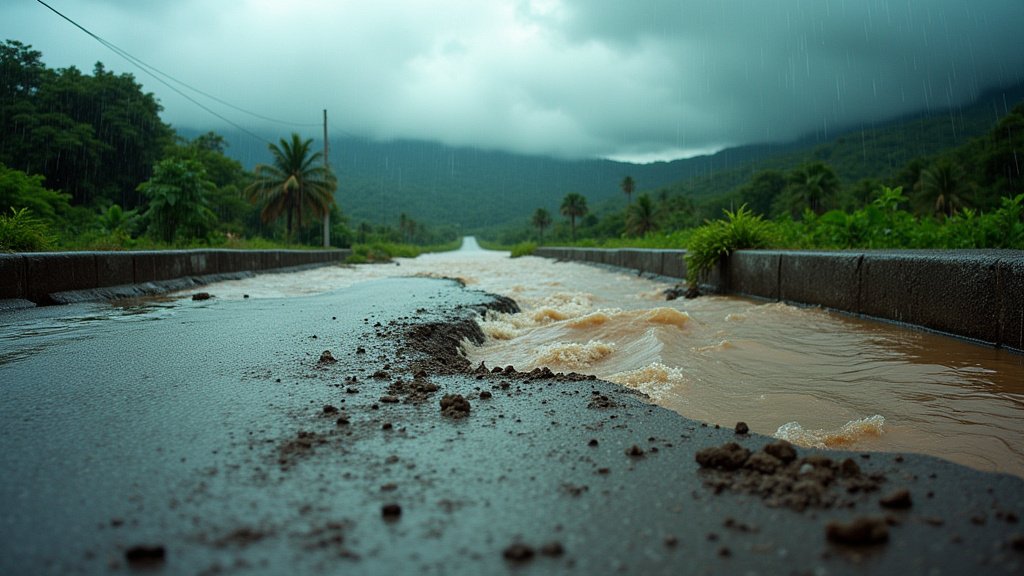
The National Works Agency (NWA) is actively engaged in addressing significant road damage and flooding issues across Hanover, Jamaica, following a period of intense rainfall. The agency is working to clear blockages and assess the full extent of the impact on the parish’s infrastructure.
Key Highlights:
- Widespread flooding reported across multiple communities in Hanover.
- NWA crews deployed to clear drains and repair damaged roadways.
- Public urged to exercise caution and adhere to safety advisories.
- Assessment of infrastructure damage is ongoing.
Hanover’s Infrastructure Under Strain
The recent torrential downpours have left a significant mark on Hanover, with numerous roadways succumbing to flooding and erosion. The National Works Agency (NWA) has mobilized its resources to combat the immediate aftermath, focusing on critical interventions to restore normalcy and ensure public safety. The persistent rain has overwhelmed drainage systems in many areas, leading to impassable roads and considerable disruption to daily life for residents. The NWA’s primary focus is on clearing debris from major thoroughfares and ensuring that water can recede effectively.
Drainage System Challenges
A core issue highlighted by the flooding is the inadequacy of existing drainage systems to cope with the intensity of the recent weather events. In many urban and rural areas of Hanover, drains have become clogged with sediment and debris, exacerbating the flooding. NWA teams are working diligently to unblock these systems, employing heavy machinery where necessary to remove blockages and restore proper water flow. This immediate clearing operation is crucial to preventing further damage to road surfaces and adjacent properties.
Road Repairs and Assessment
Beyond clearing drains, the NWA is undertaking urgent repairs to roads that have sustained damage. This includes filling potholes, stabilizing eroded sections, and, in more severe cases, conducting more extensive reconstruction work. The agency’s engineering teams are on the ground, assessing the structural integrity of the affected roadways and prioritizing repairs based on severity and impact on essential services. The full extent of the damage is still being evaluated, with a comprehensive report expected once the rains subside and a thorough inspection can be completed. The focus remains on ensuring that key routes remain accessible for emergency services and the commuting public.
Community Impact and Advisories
The flooding has not only affected infrastructure but has also disrupted the lives of Hanover’s residents. Many communities have experienced prolonged periods of isolation due to impassable roads. The NWA, in conjunction with local authorities, is issuing advisories to the public, urging them to stay informed about road conditions, avoid unnecessary travel in affected areas, and exercise extreme caution when navigating any open roadways. Safety remains the paramount concern, and residents are reminded to never attempt to traverse flooded roadways, as the depth and strength of the water can be deceptive and extremely dangerous. Emergency contact information has been disseminated to ensure rapid response to critical situations.
FAQ: People Also Ask
What is the NWA’s immediate response to flooding?
The NWA’s immediate response typically involves deploying crews to clear debris from roads and drainage systems, assess damage, and provide assistance for emergency access. They prioritize making essential routes passable and ensuring public safety.
How can residents report road damage or flooding?
Residents can report road damage or flooding to the NWA through their official channels, which usually include a hotline number and online reporting forms available on their website.
What are the main causes of flooding in Hanover?
The main causes often include intense rainfall overwhelming existing drainage infrastructure, coupled with potential blockages in waterways and drains due to accumulated debris.
What precautions should people take during heavy rains?
During heavy rains, people should stay informed about weather advisories, avoid non-essential travel, never attempt to cross flooded roadways, and secure their properties against potential damage.