
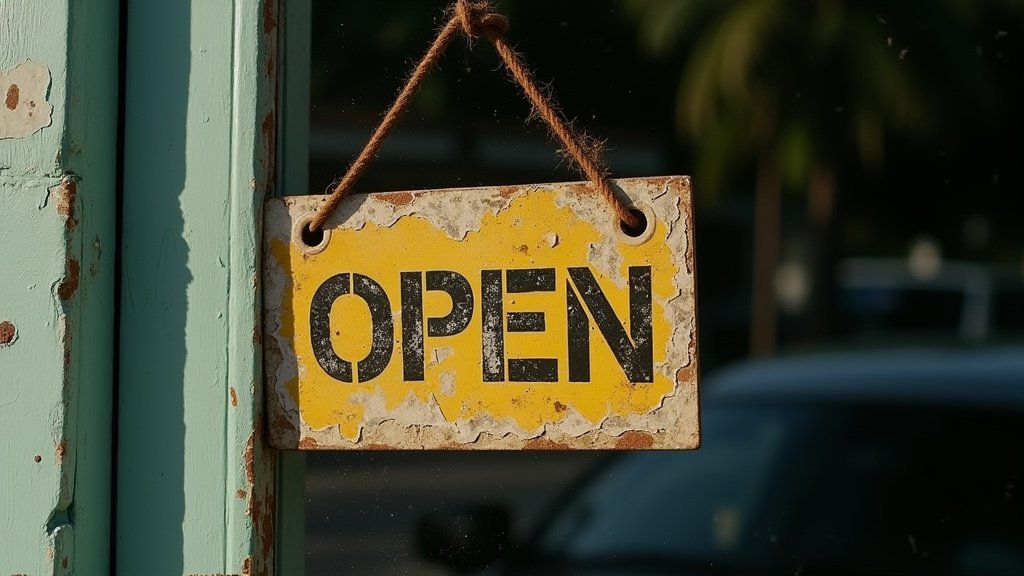
The Small Business Association of Jamaica (SBAJ) has issued a firm rejection of any potential ‘COVID-19-style’ lockdowns or restrictions on movement aimed at curbing national energy consumption. As the government grapples with rising fuel costs driven by geopolitical instability in the Middle East and the imminent expiration of the Petrojam fuel price cap, SBAJ President Garnett Reid has made the organization’s position clear: the country’s commerce must remain fluid, and small businesses, still reeling from the devastating impact of Hurricane Melissa, cannot afford a return to restricted operations. The standoff highlights a growing tension between macroeconomic energy preservation and the immediate survival of the country’s micro, small, and medium-sized enterprise (MSME) sector.
Key Highlights
- SBAJ Rejection: President Garnett Reid explicitly rejects the proposal for government-mandated movement limitations, emphasizing the need for commerce to stay active.
- Economic Fragility: The sector is currently in a recovery phase following the destruction caused by Hurricane Melissa, making any disruption to business continuity catastrophic.
- Energy Crisis Drivers: The conflict in the Middle East has exerted sustained upward pressure on crude oil and refined petroleum products, forcing the government to reconsider the $4.50 per litre cap on Petrojam fuel.
- Conflict of Interest: Energy Minister Daryl Vaz suggested potential curbs on movement—specifically transportation—to save energy, a move the business community fears will cripple daily productivity.
The Economic Mandate: Why Jamaica Cannot Close
The declaration ‘Keep Jamaica Open’ has become more than a rallying cry; it is an economic necessity. The current debate stems from a stark reality: Jamaica is a net importer of energy, and with global fuel markets reacting violently to Middle East volatility, the government’s ability to subsidize fuel costs is nearing an exhaustion point. Energy Minister Daryl Vaz’s recent hints at returning to a hybrid or restricted ‘work from home’ model have met with swift backlash. The SBAJ, representing a critical cross-section of the nation’s employers, argues that the physical presence of labor is the lifeblood of their operations.
The Shadow of Hurricane Melissa
For many small business owners, the energy crisis is a secondary headache. The primary focus remains the ongoing recovery from Hurricane Melissa, which severely disrupted supply chains, destroyed infrastructure, and left many storefronts boarded up or under renovation. To suggest a shutdown now—even for energy conservation—is viewed as a secondary disaster. Many businesses are only just beginning to see consistent foot traffic return. Closing these doors again would not just reduce energy consumption; it would evaporate the meager cash reserves that have kept these enterprises afloat through the storm’s aftermath.
The Fallacy of ‘Work From Home’ in the SME Sector
While white-collar sectors might pivot easily to remote work, the SME landscape in Jamaica is fundamentally tied to physical commerce, retail, and face-to-face services. A ‘work from home’ mandate does not translate for the shopkeeper, the local manufacturer, or the transport operator. The SBAJ correctly points out that these businesses do not have the digital or logistical infrastructure to pivot to a virtual model. When the government discusses ‘limiting movement,’ it is effectively discussing the shutting down of the only engine providing consistent GDP growth in the post-hurricane recovery period.
The Petrojam Conundrum
At the heart of the crisis is the removal of the $4.50 per litre cap on fuel. This cap has acted as a critical stabilizer, preventing the full brunt of global oil price hikes from reaching the consumer at the pump. However, State-owned refinery Petrojam can no longer absorb the losses without jeopardizing national energy security. As the cap is lifted, the resulting price shock will be felt in transportation, logistics, and electricity generation. The government is understandably panicked about the sheer volume of fuel consumed by daily traffic and commercial activity, but the SBAJ is signaling that the burden of this adjustment cannot be placed solely on the backs of the MSME sector.
Strategic Alternatives: Beyond Shutdowns
The SBAJ has urged the government to engage in genuine dialogue with stakeholders rather than unilateral policymaking. Instead of mandating shutdowns, the association suggests that the government should explore incentivized energy efficiency, localized energy-sharing programs, or staggered business hours that do not require full closure. By focusing on data-driven recovery rather than blunt-force policy tools, the administration might find the compliance it seeks without the economic collateral damage of a lockdown.
Future Outlook: Energy Independence
This crisis is a wake-up call for Jamaica’s long-term energy strategy. The reliance on imported fossil fuels is clearly a national security vulnerability. The current debates are likely to accelerate calls for diversified energy sources, including a more aggressive rollout of solar and wind micro-grids for small businesses, which would insulate them from future global price shocks. Until that independence is achieved, however, the SBAJ’s message remains simple: let us work.
FAQ: People Also Ask
Q: Why is the Small Business Association of Jamaica rejecting the government’s shutdown proposal?
A: The SBAJ argues that small businesses are still recovering from Hurricane Melissa and cannot survive another period of reduced commerce. They maintain that the sector requires open markets to rebuild financial stability.
Q: What is causing the current energy crisis in Jamaica?
A: The crisis is primarily driven by global instability in the Middle East, which has caused a spike in crude oil and refined petroleum prices, coupled with the fiscal pressure on the state-owned refinery, Petrojam, to maintain fuel price caps.
Q: Could a ‘work from home’ model help the Jamaican economy during this time?
A: While feasible for some sectors, the SBAJ highlights that a large portion of Jamaica’s small businesses rely on physical, in-person commerce, meaning a mandate to limit movement would effectively shut down their operations rather than just transition them to a remote model.
Q: When will the $4.50 per litre fuel cap be removed?
A: The government signaled that the cap will be removed shortly, which is expected to lead to a significant rise in transportation and goods costs, creating the urgency for the current energy policy debates.