
Municipal Corporation to Fortify Infrastructure Protection and Reimbursement Mechanisms
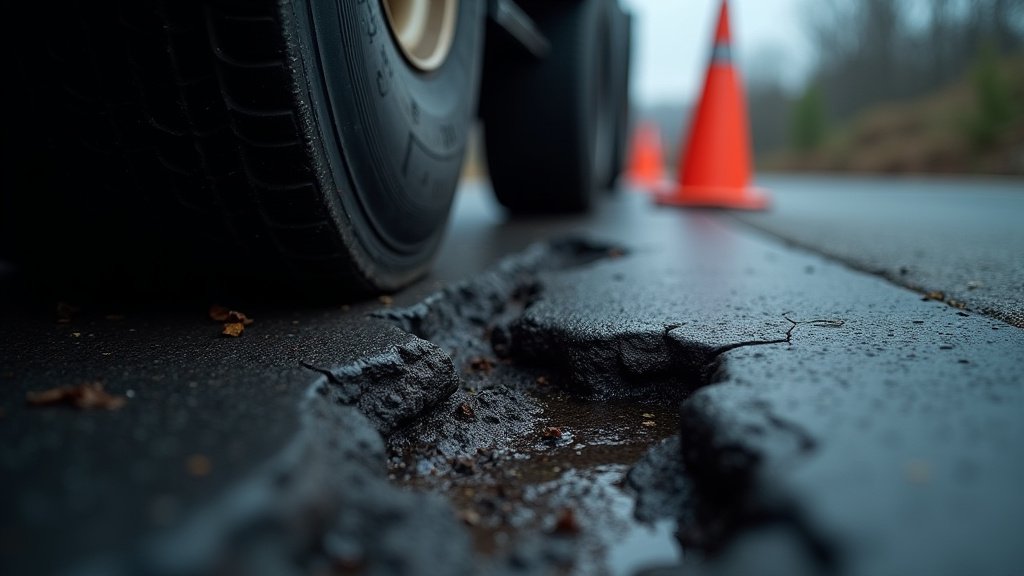
The St. Catherine Municipal Corporation (StCMC) is taking a proactive stance to address the escalating costs associated with repairing public infrastructure, a burden exacerbated by vehicular accidents, vandalism, and the strain of heavy-duty vehicles. In a significant move, the council has adopted a resolution aimed at strengthening protective measures for public assets and establishing robust mechanisms for financial recourse. Councillor Courtney Edwards, who put forth the resolution, emphasized the urgent need for a unified national strategy to combat the continuous expenditure on fixing roads, drainage systems, sidewalks, and other vital public amenities. The current situation, characterized by frequent damage and substantial repair bills, necessitates a comprehensive overhaul of how such incidents are documented, reported, and compensated.
Enhancing Accountability Through Official Reporting and Collaboration
A cornerstone of the StCMC’s proposed solution involves closer collaboration with law enforcement and other government agencies. The resolution calls for the Traffic Department of the Jamaica Constabulary Force to formally document and report any damage to government property that occurs as a result of road traffic crashes. This official record is intended to serve as a crucial piece of evidence for subsequent claims. Furthermore, the StCMC advocates for enhanced cooperation between various entities, including the National Works Agency (NWA) and the Jamaica Public Service (JPS), to streamline the process of assessing damage and coordinating repair efforts. This multi-agency approach is designed to prevent duplication of efforts and ensure a more efficient allocation of resources.
Comprehensive Damage Assessment and Community Involvement
To ensure a thorough understanding of the scope of damage and the associated costs, the StCMC recommends the implementation of a comprehensive damage-and-restoration reporting system. This system would meticulously detail the nature of the damage, the extent of the impact on public infrastructure, and the proposed or completed restoration work, including itemized costs. Beyond official reporting, the corporation is championing a Community Infrastructure Protection Programme. This initiative aims to empower residents to become active participants in safeguarding public assets. By fostering a sense of shared responsibility, the programme seeks to reduce instances of vandalism and minor damages that cumulatively contribute to significant repair expenditures.
Stricter Regulations and Resident Reporting
Recognizing the particular stress that heavy-duty vehicles can place on road infrastructure, the StCMC is also advocating for stricter regulations governing their operation. This could include designated routes, weight restrictions, and mandatory maintenance checks to mitigate their impact. Complementing these efforts, a structured reporting system for residents is envisioned. This would provide a clear and accessible channel for citizens to report damaged infrastructure, enabling the StCMC to address issues promptly and efficiently. The corporation believes that empowering residents to report problems will lead to quicker identification and resolution of infrastructure faults, thereby preventing minor issues from escalating into major repair expenses.
Monitoring and Mitigation Strategies
To ensure the effectiveness of these new measures, the StCMC proposes quarterly reviews. These reviews would serve as a critical feedback loop, allowing the corporation to monitor the progress of repair works, assess the impact of mitigation efforts, and make necessary adjustments to the adopted strategies. This commitment to ongoing evaluation underscores the StCMC’s dedication to long-term infrastructure resilience and fiscal responsibility. The ultimate goal is to create a sustainable model where the costs incurred from damaged public infrastructure are more effectively recouped, freeing up municipal funds for other essential services and development projects. The initiative reflects a broader shift towards accountability and proactive management of public assets in Jamaica.
FAQ: People Also Ask
Q1: What specific types of public infrastructure are at the highest risk of damage according to the StCMC?
A1: The StCMC identifies roads, drainage systems, and sidewalks as the primary public infrastructure facing significant damage.
Q2: How will the StCMC ensure that official reports of damage are obtained after road crashes?
A2: The resolution mandates collaboration with the Traffic Department of the Jamaica Constabulary Force to provide official reports documenting damage to government property resulting from road crashes.
Q3: What role are residents expected to play in the Community Infrastructure Protection Programme?
A3: Residents are encouraged to actively participate in safeguarding public assets and are provided with a structured system to report damaged infrastructure, thereby aiding in prompt identification and resolution of issues.
Q4: Besides accidents and vandalism, what other factor is contributing to infrastructure damage?
A4: The operation of heavy-duty vehicles is identified as another significant factor contributing to the wear and tear and damage of public infrastructure, prompting calls for stricter regulations.
Q5: How will the effectiveness of these new measures be tracked?
A5: The StCMC plans to conduct quarterly reviews to monitor the progress of repairs, evaluate mitigation efforts, and ensure the ongoing effectiveness of the adopted strategies.