
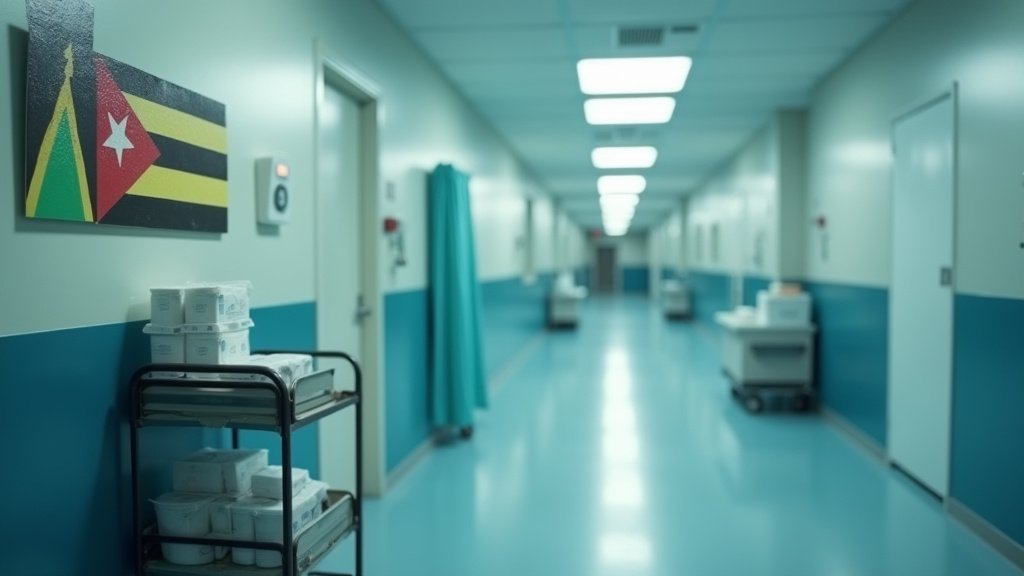
Jamaica’s Ministry of Health is poised to directly recruit approximately 50 nurses from Cuba, a strategic move to combat persistent staffing shortages within its public healthcare system. Unlike previous bilateral cooperation programs, these Cuban healthcare professionals will be engaged under individual contracts. This new approach aims to ensure greater compliance with Jamaican labor laws and streamline the recruitment process. The ministry has explicitly stated that this initiative is designed to directly address the critical need for skilled medical personnel across various healthcare facilities. This direct hiring model signifies a notable shift in how Jamaica secures international medical talent, prioritizing direct employment relationships over broad intergovernmental accords.
Key Highlights
- Direct Recruitment: Approximately 50 Cuban nurses will be hired directly by Jamaica’s Ministry of Health.
- Individual Contracts: Nurses will be employed under individual contracts, a change from past government-to-government agreements.
- Addressing Shortages: The initiative directly targets chronic staffing gaps in Jamaica’s healthcare sector.
- Expanded International Search: Jamaica is also recruiting from Ghana and the diaspora, with potential partnerships in Nigeria, India, and the Philippines.
- Policy Shift: This replaces a discontinued bilateral agreement with Cuba.
New Era of Healthcare Staffing: Jamaica’s Direct Recruitment of Cuban Nurses
The Jamaican government’s decision to recruit 50 Cuban nurses directly, on individual contracts, signals a pragmatic and urgent response to a deeply entrenched healthcare staffing crisis. For years, Jamaica’s Ministry of Health has grappled with a shortage of qualified medical professionals, a situation exacerbated by emigration and insufficient local training pipelines. The previous model of government-to-government cooperation with Cuba, while beneficial, often involved complex administrative layers and less direct control over employment terms for the individual nurses. By shifting to individual contracts, the Ministry of Health is not only seeking to expedite the onboarding process but also to establish a more transparent and legally sound framework for these foreign-born healthcare workers.
A Departure from Tradition
This move represents a significant departure from the long-standing medical cooperation programs Jamaica has had with Cuba. Historically, such agreements facilitated the deployment of Cuban medical teams and individual specialists to serve in underserved areas. However, the terms of these deployments were typically governed by overarching bilateral agreements. The current strategy, however, emphasizes direct contractual relationships between the Jamaican Ministry of Health and each recruited nurse. This not only gives the ministry more leverage in defining roles and responsibilities but also ensures that the nurses’ employment terms align with Jamaican labor standards, providing a clearer pathway for their integration into the local healthcare workforce. The ministry’s stated goal is to ensure that all hired professionals, regardless of origin, are employed in a manner that is both ethical and legally compliant.
Expanding the Global Talent Net
The recruitment of Cuban nurses is part of a broader, intensified international recruitment strategy by the Ministry of Health. Recognizing that the demand for healthcare professionals extends beyond Cuba, Jamaica is actively broadening its search to include talent from other nations and communities. Significant efforts are underway to recruit healthcare workers from Ghana, leveraging existing ties and shared Commonwealth history. Furthermore, the ministry is tapping into the Jamaican diaspora, encouraging citizens living abroad to return and contribute to the national healthcare system. The ambitious scope of this international recruitment drive also includes exploring potential partnerships with countries like Nigeria, India, and the Philippines, all of which have robust medical training institutions and a significant pool of qualified healthcare professionals. This multi-pronged approach underscores the government’s commitment to comprehensively addressing the staffing gaps.
The Underlying Need: Chronic Shortages
The urgency behind these recruitment efforts cannot be overstated. Jamaica’s healthcare system has been under immense pressure due to a chronic shortage of nurses, doctors, and allied health professionals. This deficit impacts the quality of patient care, increases the workload on existing staff, and can lead to longer waiting times for essential services. The Ministry of Health has acknowledged that the number of locally trained graduates is insufficient to meet the demand, necessitating international recruitment. The departure of trained professionals to seek better opportunities abroad further compounds the problem. By actively seeking to fill these vacancies with experienced Cuban nurses and other international recruits, Jamaica aims to bolster its healthcare infrastructure, improve service delivery, and ensure that its citizens have access to timely and quality medical attention.
Implications and Future Outlook
The adoption of individual contracts for Cuban nurses has several potential implications. For the nurses themselves, it may offer greater autonomy and a more direct understanding of their employment rights and benefits within Jamaica. For the Ministry of Health, it promises more agile management of its healthcare workforce. However, the success of this strategy will depend on effective integration, ongoing support for the new recruits, and sustained international outreach. The ministry must also continue to invest in local training and retention programs to build a sustainable healthcare workforce for the future. The expanded recruitment efforts, including partnerships with Nigeria, India, and the Philippines, suggest a long-term vision for diversifying and strengthening Jamaica’s healthcare talent pool, moving beyond a reliance on any single source country.
FAQ: People Also Ask
What is the primary reason for Jamaica recruiting Cuban nurses?
Jamaica is recruiting Cuban nurses to address significant and chronic staffing shortages within its public healthcare system. This initiative is part of a broader strategy to ensure adequate medical personnel are available to provide quality patient care.
How is this recruitment different from previous agreements with Cuba?
Previously, recruitment was often done under government-to-government medical cooperation programs. This new approach involves individual contracts directly between the Jamaican Ministry of Health and each Cuban nurse, offering a more direct employment relationship and ensuring compliance with domestic labor laws.
Are Cuban nurses the only international recruits Jamaica is targeting?
No, Jamaica’s Ministry of Health has expanded its international recruitment efforts. They are also recruiting healthcare workers from Ghana, members of the Jamaican diaspora, and are exploring potential partnerships with Nigeria, India, and the Philippines.
What is the estimated number of Cuban nurses being recruited?
Jamaica’s Ministry of Health is set to recruit approximately 50 Cuban nurses under this new individual contract initiative.
What was the previous agreement with Cuba that this replaces?
This new recruitment strategy replaces a discontinued bilateral agreement with Cuba, under which some nurses may have remained in Jamaica after signing individual contracts.