
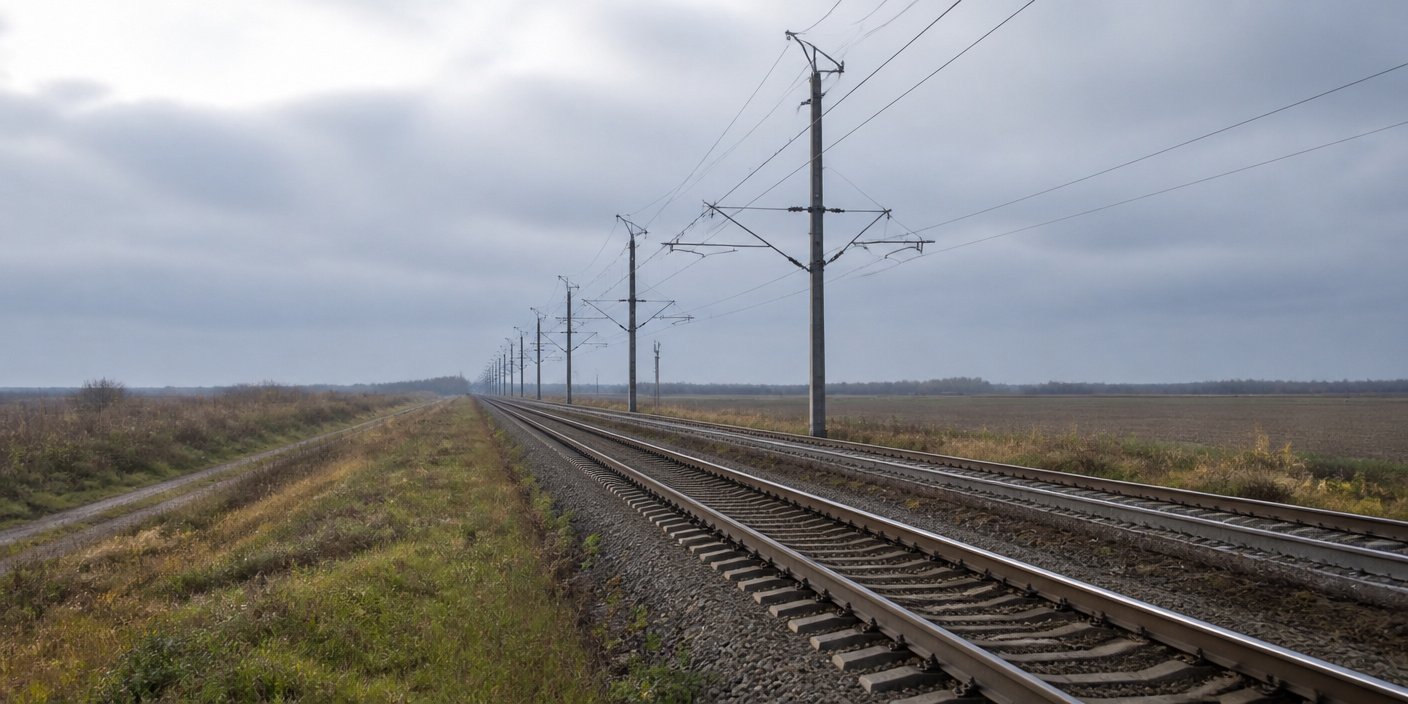
A Russian drone strike hit a passenger train at Yahodyn, Ukraine, occurring shortly after a delegation carrying former UK Prime Minister Boris Johnson and accompanying European security officials had cleared the location. While no casualties were reported in the immediate aftermath, the incident has sent shockwaves through diplomatic circles, as Ukrainian rail operators and intelligence officials have identified the delegation’s train as the intended target of the strike. This event highlights the precarious nature of ‘Iron Diplomacy’ and the persistent threats faced by international figures traveling through active conflict zones.
Key Highlights
- Target Identification: Ukrainian rail operators believe the drone strike at Yahodyn was a deliberate attempt to hit the train carrying former Prime Minister Boris Johnson.
- Temporal Proximity: The strike occurred shortly after the VIP delegation had passed through the station, suggesting precise intelligence or real-time tracking.
- Infrastructure Vulnerability: The attack underscores the extreme risks involved in maintaining Ukraine’s rail network, the country’s primary mode of long-distance transport.
- Escalation Concerns: The targeting of international political figures—even if former officeholders—represents a significant escalation in the scope of Russian operations within Ukraine.
Geopolitics on the Rails: Analyzing the Yahodyn Incident
The attack at Yahodyn serves as a sobering reminder of the lethal volatility characterizing the current phase of the war in Ukraine. Since the onset of the full-scale invasion, Ukraine’s national rail operator, Ukrzaliznytsia, has maintained an extraordinary level of operational continuity, often dubbed ‘Iron Diplomacy,’ enabling foreign dignitaries, journalists, and civilians to move across the country. However, this incident suggests that the logistical veins of the nation are increasingly being treated by Russian forces as high-value military objectives, even when they involve non-combatant civilians or high-profile Western figures.
The Logistics of ‘Iron Diplomacy’
‘Iron Diplomacy’ has been the cornerstone of Kyiv’s international engagement strategy. By bringing world leaders, including Boris Johnson, directly to the capital by rail, Ukraine has successfully maintained global visibility and support. These trains are often heavily guarded, operating under strict secrecy and complex security protocols designed to prevent tracking. The strike at Yahodyn implies a failure in these security layers or, more alarmingly, an advancement in Russian intelligence-gathering capabilities. The precision required to target a specific train, even one as high-profile as that carrying a former UK leader, suggests that standard camouflage techniques and schedule randomization may no longer be sufficient to guarantee safety.
Strategic Targeting of Infrastructure
Russian military doctrine has consistently prioritized the degradation of Ukrainian logistics. By targeting railway infrastructure, Moscow aims to disrupt not only military supply lines but also the morale of the populace and the diplomatic efforts of the government. The Yahodyn incident should be viewed through this prism: it is not necessarily a one-off attempt to assassinate a specific politician, but rather a persistent effort to make Ukraine unsafe for international cooperation. Every strike on a rail hub or train is a signal to Western partners that their presence in Ukraine carries a non-zero risk of direct kinetic engagement.
Assessing the Security Risks to Western Officials
For figures like Boris Johnson, who has been an vocal proponent of Ukraine’s defense, the risks are multifaceted. While he no longer holds executive office, his symbolic value as a Western leader remains high. This incident will inevitably force a re-evaluation of security protocols for foreign dignitaries. We can expect to see enhanced electronic warfare countermeasures, more erratic travel scheduling, and potentially the increased reliance on alternative transport modes. The psychological impact of such strikes cannot be understated; they serve as a ‘warning shot’ to Western nations, testing the resolve of foreign supporters when faced with the tangible reality of being in the crosshairs of a drone strike.
Historical Context and Future Implications
History shows that political leaders traveling to conflict zones are often subject to indirect threats, but a direct strike on a transport hub housing a VIP train is rare. This incident may signal a shift in Russian tactical priorities, moving away from purely military targets toward ‘symbolic warfare.’ By attacking the infrastructure used by those who support Ukraine, Russia is attempting to raise the cost of international solidarity. If this trend continues, we may see a reduction in the frequency of high-level diplomatic visits, which would be a significant strategic victory for the Kremlin. The international community is now forced to balance the vital need for in-person diplomacy against the reality that no location in Ukraine is currently immune from long-range precision attacks.
FAQ: People Also Ask
Was Boris Johnson injured in the drone strike?
No, there were no casualties reported. The delegation had already passed through the station before the strike occurred.
Why was Boris Johnson in Ukraine?
Boris Johnson has made multiple visits to Ukraine since the beginning of the full-scale invasion to show support for the country’s defense and meet with Ukrainian leadership.
What is ‘Iron Diplomacy’?
‘Iron Diplomacy’ refers to the continued operation of the Ukrainian railway network, used to transport civilians, goods, and international leaders to and from Kyiv despite constant threats of Russian missile and drone attacks.
Does this strike signal a change in Russian tactics?
Security analysts suggest that the targeting of transport infrastructure is a deliberate strategy to degrade logistics and intimidate international supporters, representing a calculated escalation in ‘symbolic warfare.’