
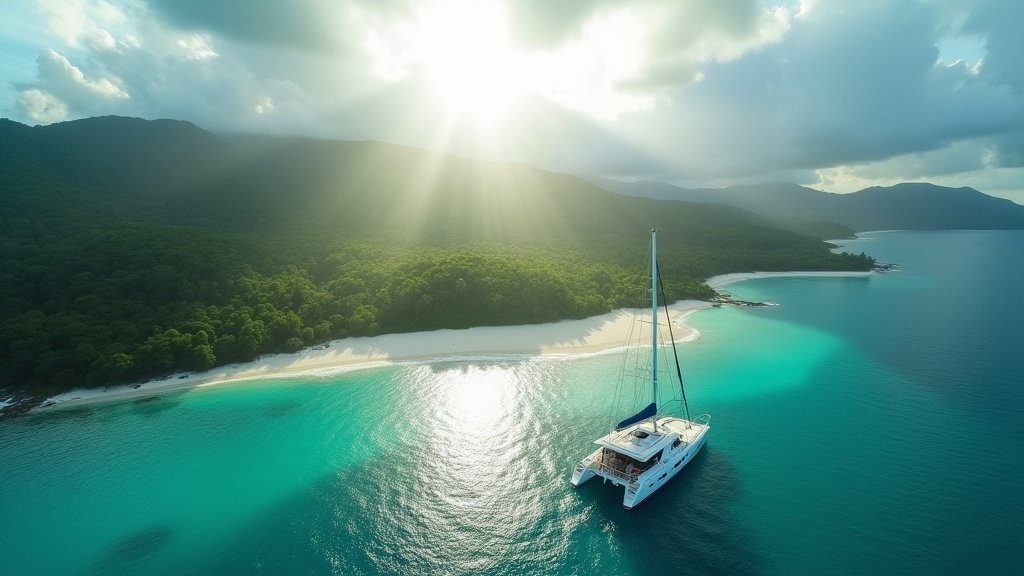
Jamaica’s tourism sector is setting ambitious goals, targeting a decade-long strategy to attract 10 million visitors and generate $10 billion in earnings. This initiative aims to significantly expand the island’s tourism footprint and economic contributions.
Key Highlights:
- Aims to achieve 10 million annual visitors.
- Targets $10 billion in tourism earnings over ten years.
- Focuses on sustained growth and economic impact.
- Positions Jamaica as a premier global destination.
Jamaica’s Ambitious Tourism Trajectory
Jamaica is charting a course for unprecedented growth in its vital tourism sector, unveiling a strategic plan designed to double its visitor numbers and revenue streams over the next decade. The ambitious target of attracting 10 million visitors annually and securing $10 billion in earnings underscores the nation’s commitment to leveraging tourism as a primary engine for economic development. This forward-thinking strategy is not merely about increasing numbers but about fostering sustainable tourism that benefits local communities and preserves the island’s rich cultural and natural heritage.
Economic Pillars of the Strategy
The economic implications of this plan are substantial. Achieving these targets would represent a significant injection into Jamaica’s Gross Domestic Product (GDP), creating thousands of jobs across various industries, from hospitality and transportation to agriculture and retail. The focus on higher earnings per visitor suggests a move towards value-added tourism, attracting travelers who are willing to spend more on unique experiences, luxury accommodations, and authentic cultural engagements. This shift is crucial for ensuring that the economic benefits of tourism are widely distributed and contribute to the nation’s overall prosperity.
Enhancing Destination Appeal
To realize these lofty goals, Jamaica is investing in infrastructure development, enhancing its existing tourism products, and exploring new avenues for visitor engagement. This includes upgrading airports, improving road networks, and developing new attractions that showcase the island’s diverse offerings – from its world-renowned beaches and vibrant music scene to its lush rainforests and historical sites. The strategy also emphasizes diversification, looking beyond traditional markets to attract a broader range of travelers and promote year-round tourism to mitigate seasonality.
The Role of Sustainability and Culture
A core tenet of Jamaica’s tourism strategy is the integration of sustainability and the celebration of its unique cultural identity. Efforts are underway to promote eco-tourism, protect natural resources, and ensure that tourism development is environmentally responsible. Simultaneously, the plan aims to further elevate Jamaican culture – its music, cuisine, art, and heritage – as a key draw for visitors. This cultural immersion is expected to provide visitors with a more authentic and memorable experience, differentiating Jamaica from other Caribbean destinations.
FAQ: People Also Ask
What are Jamaica’s primary tourism attractions?
Jamaica is renowned for its stunning beaches, vibrant music scene (especially reggae), lush rainforests, waterfalls like Dunn’s River Falls, and rich historical sites such as the Bob Marley Museum and colonial-era plantations.
How does Jamaica plan to attract more visitors?
The strategy involves significant investment in infrastructure, enhancing existing attractions, diversifying tourism products, promoting cultural experiences, and improving marketing efforts to reach new global markets.
What is the expected economic impact of this tourism plan?
This plan is projected to significantly boost Jamaica’s GDP, create numerous jobs, increase foreign exchange earnings, and stimulate growth in related sectors like agriculture and manufacturing, contributing to overall national development.
How will Jamaica ensure its tourism growth is sustainable?
Sustainability is a key focus, with plans including promoting eco-tourism, protecting natural ecosystems, managing waste effectively, and engaging local communities in tourism development to ensure long-term environmental and social well-being.