
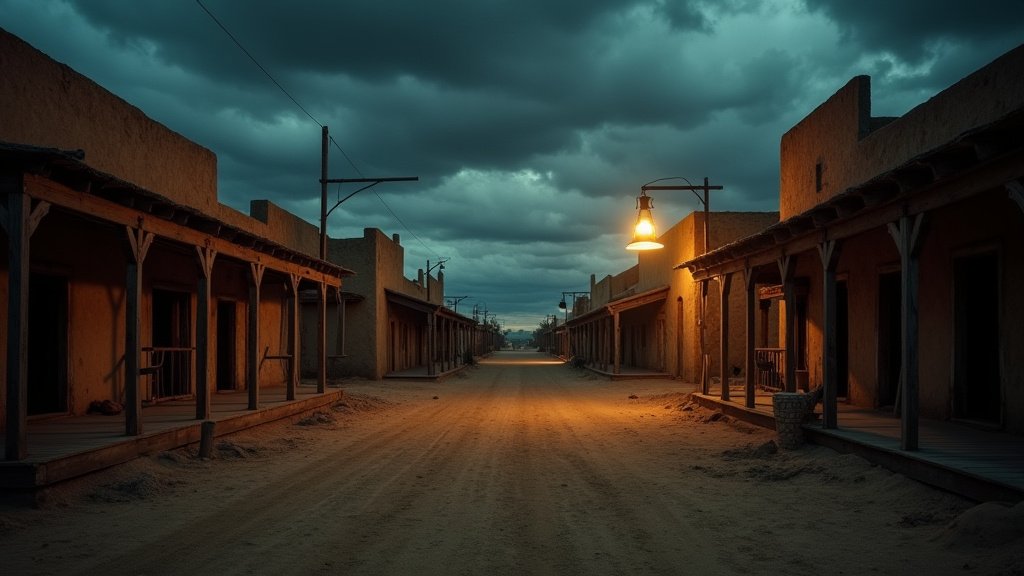
The ‘Forgotten Frontier’ project, an ambitious fan-made mod for Red Dead Redemption 2, has officially roared back to life, promising to bridge the gap between the original game and its sequel. This massive undertaking, which aims to seamlessly integrate the Mexican territory—Nuevo Paraiso—into the RDR2 engine, has not only resumed development but has also confirmed a major narrative shift: the introduction of Sadie Adler as the primary protagonist. After a hiatus that left fans wondering about the mod’s future, the development team led by Rixus724 has returned with renewed energy, aiming to transform what was once considered a mere ‘stage’ into a living, breathing, and historically dense world that rivals official Rockstar Games expansions. This development marks a pivotal moment for the Red Dead modding community, showcasing the potential for independent creators to produce content that significantly alters the narrative and geographical scope of an industry titan.
Key Highlights
- Project Revival: After pausing development in November, ‘Forgotten Frontier’ has officially resumed, with developers citing renewed focus and scope.
- New Protagonist: In a surprising narrative twist, the mod will feature the fan-favorite character Sadie Adler as the playable lead, integrating her into the Mexican expansion lore.
- Map Expansion: The mod recreates the legendary ‘Nuevo Paraiso’ region from the original Red Dead Redemption, completely redesigned with RDR2’s enhanced textures, lighting, and environmental mechanics.
- Community-Led Innovation: The project includes custom side quests, functional shops, bounty hunter missions, and treasure hunts, pushing the boundaries of what is possible within the RDR2 framework.
- Environmental Storytelling: The developers are focusing on deep-tier environmental design to reflect the social and political tension of 1907 Mexico, rather than just using it as a map extension.
The Technical and Narrative Resurrection of the Frontier
When modders take on the task of expanding a game as technically complex as Red Dead Redemption 2, the challenges are rarely just artistic; they are primarily structural and engine-dependent. The Forgotten Frontier project is not simply a ‘copy-paste’ job of assets from the original game to the sequel. It is a ground-up reconstruction of an entire territory—Nuevo Paraiso—using the vastly superior RAGE engine capabilities that Rockstar employed for RDR2. The sheer ambition of this project has made it a focal point for the modding community, representing a shift from simple aesthetic tweaks to comprehensive ‘expansion pack’ level content creation.
Architectural Challenges and Engine Fidelity
One of the most significant technical hurdles for the team behind Forgotten Frontier has been the conversion and enhancement of assets. The original Red Dead Redemption map was built for the 2010 console architecture, which, by today’s standards, lacks the intricate lighting, foliage density, and physics models found in the sequel. To bring Mexico into 2026-era RDR2, the developers have had to redesign towns, interiors, and geological features from scratch.
By retexturing every town and non-player character (NPC) model, the team is attempting to achieve a visual standard that matches the official game. This includes implementing high-fidelity assets that handle dynamic weather, shadow casting, and the unique atmospheric scattering that defines the look of the RDR2 open world. For the player, this means that the transition across the river into Mexico should feel like a natural extension of the base game’s map, rather than a jagged, jarring jump into lower-resolution geometry.
The Sadie Adler Narrative Arc
Perhaps the most compelling update regarding the mod is the confirmation that Sadie Adler will be the playable protagonist. In the base game of Red Dead Redemption 2, Sadie is a character defined by trauma, resilience, and a formidable capability for violence. Her journey from the grief-stricken widow to a ruthless bounty hunter is one of the most compelling arcs in the franchise.
By placing her in the context of the Mexican Revolution—a conflict that defined the political landscape of 1907—the mod adds a layer of depth that feels canonical to the universe. The developers have signaled that they want to reflect the ‘oppression, despair, and social tension’ of the era. Utilizing a character as intense as Sadie allows players to engage with this environment in a way that feels consistent with the high-stakes, gunslinger aesthetic that the series is famous for. This is a deliberate choice to ensure that Mexico serves as a ‘living country’ rather than just a combat arena or a static map extension.
Environmental Storytelling and the ‘Living World’
The mod’s design philosophy hinges on the concept of ‘environmental storytelling.’ The developers are not merely filling the landscape with assets; they are crafting a narrative through geography. They want players to understand why the Mexican Revolution began, and how the conflict gives weight to the events of the original Red Dead Redemption. This approach involves creating settlements that feel inhabited, roads that show the wear of conflict, and landscapes that tell the story of a region under siege.
This level of detail is rarely seen in community mods. Most projects focus on mechanics or assets; Forgotten Frontier is focusing on the soul of the map. By incorporating side quests, bounty hunter missions, and functional shops, the team is building an ecosystem. Players are not just walking through a high-resolution environment; they are participating in a fully realized economic and social simulation that mirrors the depth of the official game’s systems.
The Future of Community-Driven Content
The success and persistence of the Forgotten Frontier project highlight a broader trend in the gaming industry: the longevity of ‘evergreen’ titles through modding. Red Dead Redemption 2 remains a technical marvel years after its release, and projects like this extend its lifespan significantly. When official support for a game eventually wanes, it is the modding community that steps in to keep the world alive.
However, this also raises questions about intellectual property and the relationship between publishers and modders. As projects become more ambitious, they inevitably invite scrutiny regarding copyright and the use of proprietary assets. For now, the excitement surrounding the resumption of this mod speaks to a hunger for content that official channels are not currently providing. Fans are not just waiting for the next Red Dead installment; they are actively participating in the creation of their own expansions, effectively turning Red Dead Redemption 2 into a platform for perpetual storytelling.
As the development continues to gain momentum, the ‘Forgotten Frontier’ stands as a testament to the passion of the fan base. It is a reminder that the frontier, while forgotten by official development roadmaps, remains a space of limitless creative potential for those willing to build it themselves.
FAQ: People Also Ask
1. Is ‘Forgotten Frontier’ an official Rockstar Games expansion?
No, ‘Forgotten Frontier’ is a community-made mod for the PC version of Red Dead Redemption 2. It is not affiliated with, endorsed by, or created by Rockstar Games.
2. What does the ‘Forgotten Frontier’ mod include?
It includes a complete recreation of the Mexico (Nuevo Paraiso) map from the original Red Dead Redemption, updated with modern graphics and textures. It also introduces Sadie Adler as a playable character, alongside new missions, shops, and side activities.
3. How does the mod change the Red Dead Redemption 2 experience?
It significantly expands the game world by adding an entire region not present in the base game. It also introduces new gameplay mechanics and narrative elements centered around the Mexican Revolution era of 1907, providing a fresh experience for veteran players.
4. Is the mod currently available for download?
Yes, the project is available in a work-in-progress (WIP) state. Development has resumed as of March 2026, meaning players can expect further updates, polish, and content additions as the team continues their work.