
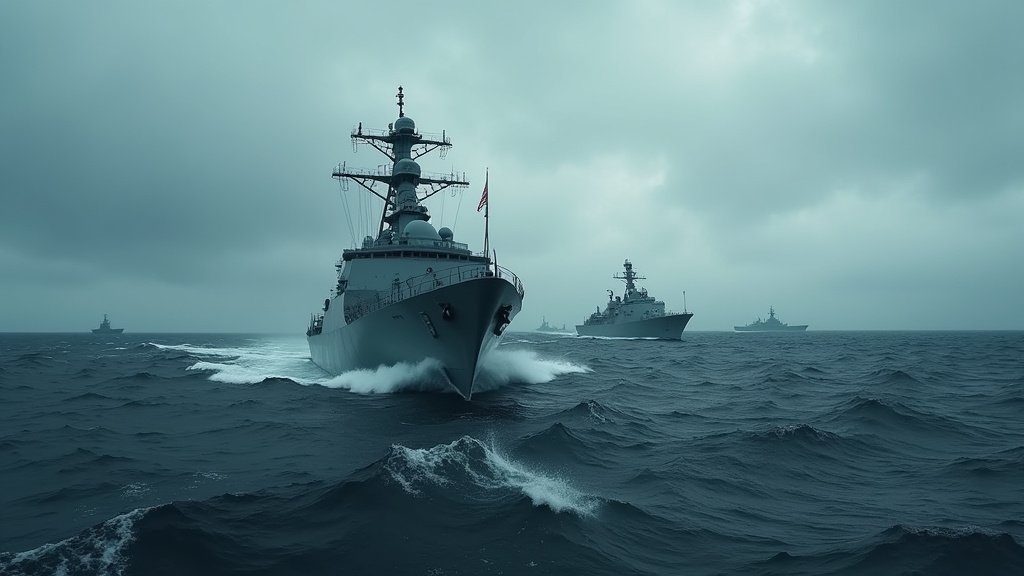
The UK Norway Pact, known as the ‘Lunna House Agreement’, has been signed, marking a significant expansion of defense cooperation between Norway and the United Kingdom. This pact is their most extensive in recent times and aims to bolster security in the North Atlantic, reinforcing NATO’s northern flank. This new alliance comes amid rising global tensions and represents a significant step forward in international news, solidifying the UK Norway Pact.
Joint Naval Fleet Takes Shape Under the UK Norway Pact
A core part of the UK Norway Pact is a new joint navy fleet. The UK Royal Navy and Royal Norwegian Navy will work closely, operating an interchangeable fleet using British-built Type 26 frigates. Eight UK ships will join at least five Norwegian vessels, creating a formidable force of 13 warships. This naval cooperation is a significant development, with the deal worth approximately £10 billion and supporting thousands of jobs. The UK Norway Pact ensures enhanced maritime capabilities.
Protecting Critical Infrastructure: A Key Aspect of the UK Norway Pact
The joint fleet established by the UK Norway Pact will patrol key areas, including the Greenland-Iceland-UK gap and the wider North Atlantic. These patrols aim to counter Russian activity, as UK officials noted a 30% rise in Russian vessels posing a threat to UK waters. The ships will also protect vital undersea infrastructure, such as data cables and gas pipelines, which are crucial for global communications and energy security. Protecting this infrastructure is a key goal of the UK Norway Pact.
Enhanced Presence in Norway: Deepening the UK Military Norway Commitment
The agreement also increases the UK military presence in Norway, with British Royal Marines set to train there year-round, expanding beyond previous winter-focused exercises. This deeper integration, a direct outcome of the UK Norway Pact, significantly aids Norway’s defense. The countries will also explore storing UK equipment, including ammunition, on Norwegian soil and potentially building facilities for British troops, ensuring faster deployment in a crisis. This commitment reinforces the UK Norway Pact’s strategic importance.
Collaborative Projects and Technology Under the UK Norway Pact
The UK Norway Pact includes ambitious joint technology projects. Both nations will cooperate on drones and develop autonomous systems for the High North. The UK will join Norway’s program for uncrewed undersea systems. Furthermore, the Royal Navy will adopt Norwegian missiles and enhance collaboration on Sting Ray torpedoes. Joint wargaming exercises will also take place, deepening operational planning and solidifying the benefits of the UK Norway Pact.
A Legacy of Cooperation: The UK Norway Pact Builds on History
The ‘Lunna House Agreement’ forming the UK Norway Pact has deep historical roots, named after a WWII base in Shetland that supported Norwegian resistance fighters. This name honors over 75 years of UK-Norway cooperation. Both nations, as founding members of NATO, see this alliance as reinforcing their long-standing partnership and underscoring shared security interests, a testament to the enduring UK Norway Pact.
Strengthening North Atlantic Security: The Impact of the UK Norway Pact
This agreement marks a significant moment for North Atlantic security. The UK Norway Pact boosts security for both nations and contributes to global stability. The partnership strengthens NATO’s defenses and demonstrates a united front against new threats, including increased Russian activity. This cooperation, driven by the UK Norway Pact, prepares them for future challenges and ensures a safer world.