
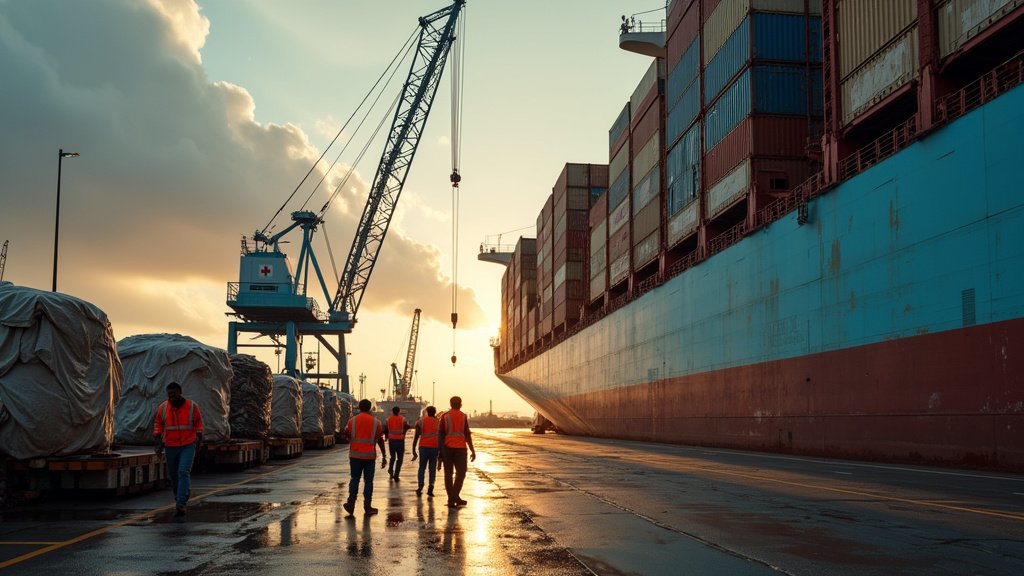
In the wake of the catastrophic Category 5 Hurricane Melissa, which ravaged parts of Jamaica in late October 2025, the nation’s vital shipping and logistics sector has mobilized in an unprecedented display of solidarity, providing crucial Shipping Industry Aid. Various industry players, from port authorities and associations to global logistics firms, have joined forces to deliver critical relief supplies, facilitate recovery efforts, and support devastated communities across Jamaica. The storm, the strongest ever recorded to make landfall on the island, caused widespread destruction, particularly in Western Jamaica, leaving thousands without homes and essential services, underscoring the need for robust Shipping Industry Aid.
Hurricane Melissa’s Devastating Impact on Jamaica
Hurricane Melissa made landfall on October 28, 2025, unleashing winds exceeding 185 mph and torrential rains that led to severe flooding and landslides across Jamaica. The western and southern regions bore the brunt of the storm, with parishes like St. Elizabeth, Westmoreland, St. James, Trelawny, and Hanover experiencing catastrophic damage. Initial assessments indicated that over 120,000 buildings lost their roofs, impacting approximately 90,000 families in western Jamaica alone. Widespread power outages affected over 70% of the population, and telecommunications were severely disrupted. The sheer volume of debris left behind, estimated at over 4.8 million tonnes, further complicated access and recovery efforts. The storm resulted in at least 54 direct fatalities in Jamaica and caused an estimated $10 billion in damages, making it the costliest storm in the island’s history, prompting significant Shipping Industry Aid to address the aftermath.
Shipping Industry Rallies in Coordinated Relief Efforts
The gravity of the situation spurred immediate action from the shipping and logistics community, highlighting the importance of Shipping Industry Aid. The Shipping Association of Jamaica (SAJ), recognizing the critical role of its sector, joined forces with the government and other private entities to coordinate national relief efforts. SAJ President Corah Ann Robertson-Sylvester emphasized the sector’s commitment, stating, “Our members are deploying their core expertise in shipping, logistics, and transportation to ensure relief supplies reach the affected communities safely and efficiently”. The SAJ facilitated ocean, air, and ground transportation of essential items and worked with the Port Authority of Jamaica to expedite the reopening of the Port of Montego Bay to accelerate the movement of goods into the hardest-hit western regions, showcasing effective Shipping Industry Aid in practice.
Beyond organizational efforts, staff members from the SAJ, SAJE Group, ADVANTUM, and the Caribbean Shipping Association (CSA) united on November 9, 2025. They pooled personal funds to purchase and distribute food items, hygiene products, and clothing to families in Westmoreland, St. James, and Trelawny, an example of direct Shipping Industry Aid. The SAJ also matched these staff donations, amplifying the impact. The Caribbean Shipping Association (CSA) reactivated its Disaster Relief Fund to support member countries, particularly highlighting the extensive damage in Jamaica’s western region and the critical impact on St. Elizabeth parish, demonstrating proactive Shipping Industry Aid.
Logistics in Action: Delivering Aid Across the Island
Global logistics companies played a crucial role in channeling aid into Jamaica, a key component of Shipping Industry Aid. Kuehne + Nagel, through its Panama office, provided critical logistical support for a shipment of humanitarian supplies from the Red Cross in Panama to the Jamaica Red Cross. This consignment, which arrived on November 1, included 3,500 tarpaulins, 1,500 shelter tool kits, and 1,000 solar lamps, all part of the broader Shipping Industry Aid initiative. The International Federation of Red Cross and Red Crescent Societies (IFRC) also coordinated substantial aid deliveries from its hub in Panama, including a 34-ton charter flight on November 1, followed by a sea shipment. LATAM Cargo facilitated this airlift as part of its Avión Solidario program, contributing significantly to disaster relief operations.
Other international partners and logistics providers also contributed significantly to the Shipping Industry Aid efforts. Air Partner, utilizing an Atlas Air Boeing 767 freighter, delivered 49 tons of emergency relief supplies from Panama to Kingston on November 6, including tarpaulins and construction equipment, a vital part of the logistics for recovery. MSC Cruises’ flagship, MSC Divina, arrived in Ocho Rios on November 11 carrying thousands of gallons of bottled water and tarps. Shipping lines like Maersk offered relief measures by suspending detention and demurrage charges in Kingston to ease supply chain disruptions, demonstrating flexibility in Shipping Industry Aid. Amerijet International Airlines resumed operations, collaborating with humanitarian organizations to expedite shipments, showcasing humanitarian shipping. Direct Relief committed emergency funding and dispatched multiple shipments of medical aid, including antibiotics, mental health medications, and hygiene kits, crucial for hurricane aid Jamaica. The French Armed Forces also delivered 40 tonnes of humanitarian aid, bolstering the collective Shipping Industry Aid.
A Unified Front for Recovery and Resilience
The collaborative efforts of the shipping and logistics industry underscore their indispensable role in disaster response and recovery, a hallmark of effective Shipping Industry Aid. The swift mobilization of resources, the efficient delivery of essential supplies, and the provision of logistical expertise are vital for stabilizing communities and initiating rebuilding efforts. The news of these combined actions highlights a sector that not only keeps global trade moving but also demonstrates profound commitment to humanitarian causes during times of crisis, emphasizing the importance of Shipping Industry Aid. As Jamaica embarks on the long road to recovery from Hurricane Melissa, the integrated support from the shipping and logistics networks, including crucial shipping industry relief and Caribbean shipping aid, continues to be a cornerstone of the nation’s resilience-building efforts.
The united response from Jamaica’s shipping sector serves as a powerful testament to the industry’s capacity to respond effectively and compassionately in the face of immense natural disaster, ensuring that help reaches those most in need, proving the critical value of comprehensive Shipping Industry Aid for Jamaica post hurricane situations.