
Schools Urged to Safeguard Students During Cold Snaps
School administrators received a clear directive. They must safeguard student well-being during cold weather. This advisory comes from the Ministry of Education, Skills, Youth and Information in Jamaica. Cooler-than-normal temperatures and gusty winds have hit the island. This unusual weather impacts student concentration. It also affects their overall health.
Key Measures for Cold Weather Safety
The Ministry urges proactive steps. Schools must ensure students stay warm and comfortable. Dress codes are being relaxed. Students can now wear jackets to school. This applies whether jackets are part of the uniform or not. All students need adequate protection from the cold. This applies regardless of access to specific branded jackets. Administrators should welcome appropriate outerwear.
Supporting Vulnerable Students
School leaders must be attentive. They need to watch children with existing health conditions. Cold weather can worsen these issues. Administrators must respond to these students’ needs. They must provide necessary support for warmth and health.
Enhancing Comfort Through School Offerings
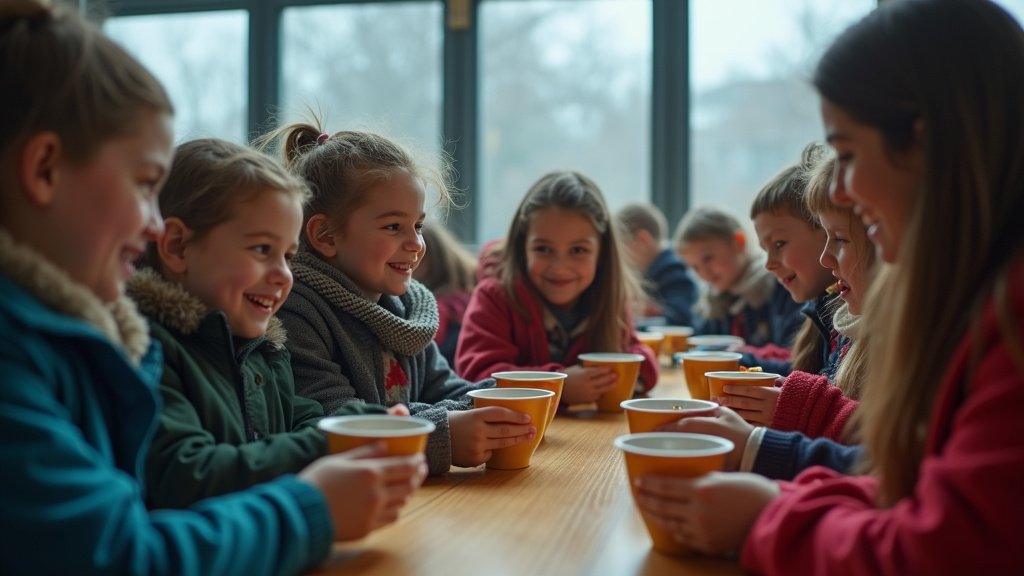
Schools can further promote comfort. Warm beverages or soups can be added to lunch menus. These items should be served at safe temperatures. They offer both nourishment and warmth. More frequent bathroom breaks are also encouraged. This accommodates student needs during the cold front.
Broader School Preparedness for Cold
This advisory highlights a broader need. Schools everywhere must prepare for cold weather. This includes facility maintenance. Heating systems need regular checks. Proper ventilation ensures good indoor air quality. This helps prevent illness spread. Schools must also manage heating safety.
Protecting Against Winter Hazards
Cold weather poses health risks. Hypothermia and frostbite are serious concerns. Students must wear appropriate winter gear. This includes warm coats, hats, and gloves. Layers are also key for staying warm. Waterproof boots protect feet from cold and wet.
Adjusting Outdoor Activities
Outdoor activities need careful management. Schools should monitor weather closely. Recess and gym classes may need to move indoors. Limit time spent outdoors during extreme cold. Wind chill factors are also important. Teachers must supervise students vigilantly during outdoor breaks.
Facility Preparedness and Communication
Facilities require attention before winter. Sidewalks and parking lots must stay clear of ice and snow. This prevents slips and falls. Backup power systems should be operational. Winter storms can cause power outages. Schools need updated emergency plans. Clear communication is vital. Parents and staff need timely updates. This includes information on delays or early dismissals.
The Impact of Temperature on Learning
Temperature significantly affects learning. Uncomfortable cold distracts students. It uses energy needed for concentration. Studies show poor performance in cold classrooms. Comfortable temperatures boost focus and memory. This reinforces the need for warm school environments. The news headline about this issue highlights its importance.
General Winter Safety Tips
Families should also prepare students. Send children with warm coats and accessories. Layers are essential for warmth. Families can discuss safe outdoor play. They can teach about adult supervision. Choosing safe locations is crucial. Taking breaks to warm up prevents cold-related health issues.
Conclusion
The advisory from Jamaica’s Ministry of Education is timely. It emphasizes a critical responsibility. Schools must protect students during cold weather. This involves practical measures like relaxed dress codes. It also includes facility readiness and clear communication. Prioritizing student comfort and safety ensures a better learning environment. This proactive approach supports student well-being throughout the year.