
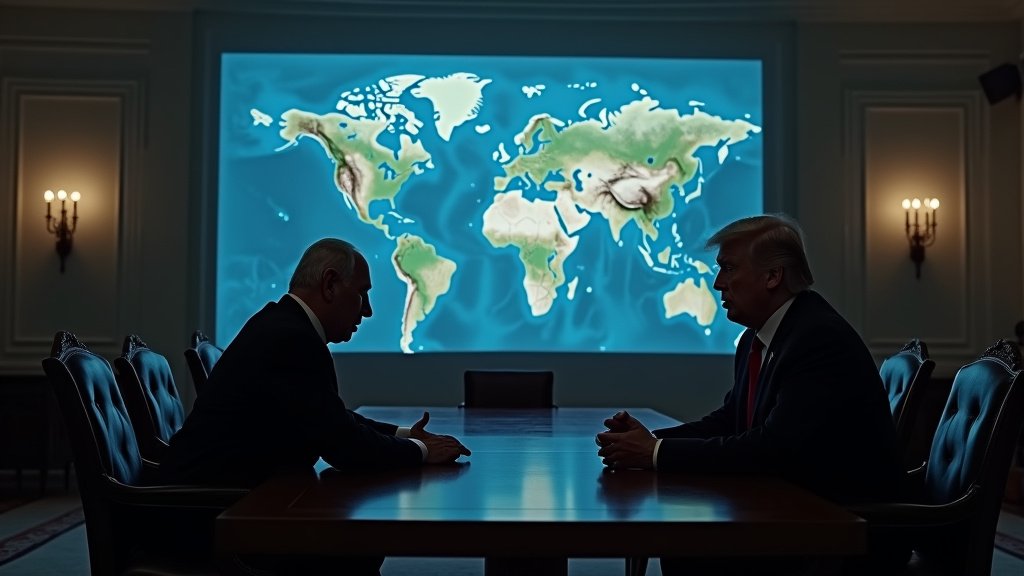
Israeli Prime Minister Benjamin Netanyahu is meeting with U.S. President Donald Trump today. The White House meeting is a key event. Netanyahu will push for expanded talks with Iran. These discussions aim to curb Tehran’s nuclear ambitions. However, the agenda goes further. Netanyahu wants to include Iran’s missile program. He also wants to address Iran’s support for regional militant groups. This is Netanyahu’s seventh meeting with Trump. It occurs during Trump’s second term. Trump began this term on January 20, 2025. The leaders aim to solidify their alliance.
Netanyahu’s Core Message
Netanyahu’s primary goal is clear. He wants the U.S. to broaden its negotiations with Iran. Israel views Iran as an existential threat. A narrow nuclear deal is not enough for Jerusalem. Israeli officials fear a limited agreement. It might leave Iran’s broader strategic threats intact. Netanyahu stated he will present Israel’s outlook. These are the essential principles for negotiations. He believes they matter globally. They are vital for peace and security.
Trump’s Optimism on Iran
President Trump expressed cautious optimism. He believes Iran genuinely wants a deal. Trump stated they would be foolish not to seek one. He mentioned past U.S. actions. These actions targeted Iran’s nuclear capabilities. Trump suggested more actions could occur. He emphasized any deal must be good. It must prohibit nuclear weapons. It must also ban missiles. Trump’s stance signals a complex approach. He is balancing pressure with diplomacy.
The Shadow of Past Conflict
The current talks occur in a tense atmosphere. A major conflict erupted in June 2025. This was the twelve-day Iran-Israel war. It began with Israeli strikes on Iranian sites. Iran retaliated with missiles and drones. The United States intervened directly. U.S. warplanes bombed three Iranian nuclear facilities. This happened on June 22, 2025. Operation Midnight Hammer was the code name. U.S. officials claimed these strikes devastated Iran’s nuclear capacity. However, assessments of the program’s setback vary. Recent satellite imagery shows activity at some sites. This fuels concerns about salvage or repair efforts.
Diplomatic Maneuvers Unfold
Recent indirect talks occurred in Oman. U.S. and Iranian negotiators met on February 6, 2026. These discussions aimed to create conditions for future negotiations. Iran insists talks remain strictly nuclear-focused. Tehran views its missile program as defensive. They call it non-negotiable. The U.S. wants broader discussions. This includes missiles and proxy groups. Secretary of State Marco Rubio highlighted this. Iran has signaled openness to talks. However, they resist limits on their enrichment. They want recognition of their right to enrich uranium. The path forward remains uncertain.
Global News and Regional Stability
This meeting is significant for global news. The outcome impacts regional stability. Netanyahu’s visit is strategically timed. It follows recent indirect negotiations. The U.S. military presence in the region has also increased. Trump is considering deploying another carrier group. This shows the high stakes involved. The world watches these crucial discussions. They seek a balance between de-escalation and addressing threats. The outcome will shape the future of the Middle East. It also affects global nuclear non-proliferation efforts. The leaders must navigate these complex issues. Their decisions carry immense weight. This news impacts the entire world.