
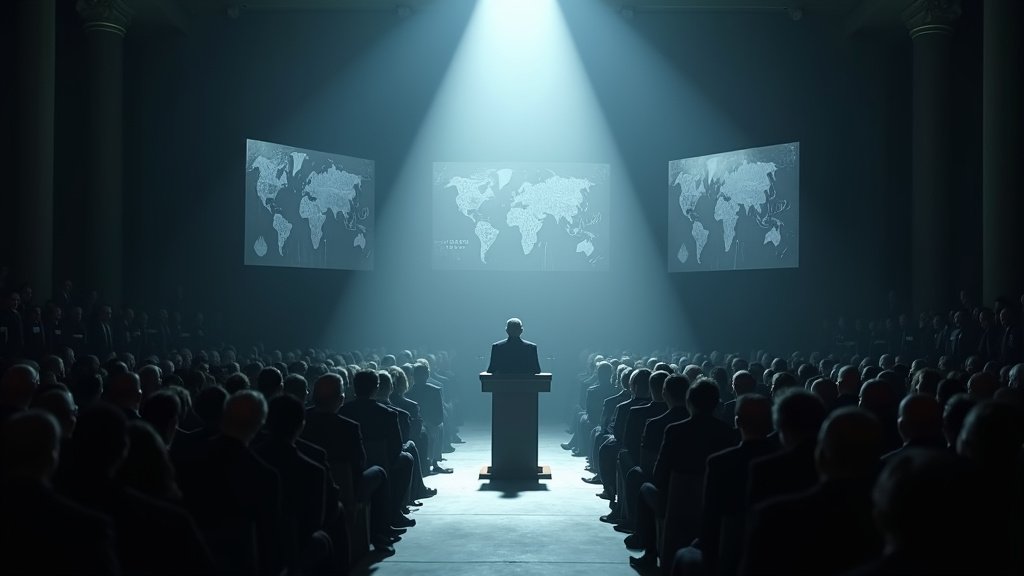
The Munich Security Conference begins today. It is the world’s leading forum for security policy. This year’s gathering faces a fractured world. Trans-Atlantic relations are a key focus. These ties have been strained significantly. German Chancellor Friedrich Merz will open the conference. He will set the tone for discussions. The event runs from February 13 to 15, 2026. It takes place at the Hotel Bayerischer Hof. Nearly 50 heads of state will attend. Over 100 foreign and defense ministers are also present.
A World “Under Destruction”
The Munich Security Report 2026 frames this year’s talks. Its title is “Under Destruction.” The report details a world in flux. It describes a rise in “wrecking-ball politics.” This means destruction often replaces reform. Discontent with democratic institutions is widespread. Trust in reforms has eroded. The report warns of a dismantling of the post-1945 international order. This order was built after World War II. The United States played a key role. However, the current US administration is seen as a primary force in this dismantling. This shift creates global instability. Major powers face growing divides. Competition over different order models hinders cooperation. The world needs “depolarization,” the report suggests. Substantial reforms are urgently needed.
Deepening Trans-Atlantic Divide
Trans-Atlantic relations form a central theme. This relationship has been the conference’s backbone. It now faces a “crisis of confidence and credibility.” Last year’s conference saw controversy. US Vice President JD Vance criticized European allies. He lectured them on democracy. He also questioned their immigration policies. This speech shocked many European leaders. Since then, tensions have continued. President Trump has issued threats. These include tariffs on European allies. His administration also explored annexing Greenland. This move deeply unsettled Denmark and NATO. Europe now seeks greater self-reliance. Leaders like Chancellor Merz emphasize this. Europe must “learn the language of power politics.” It must “become ourselves a European power.” This reflects a desire for stronger European defense. It also signals a push for more independence.
Key Figures and Pressing Issues
U.S. Secretary of State Marco Rubio leads the American delegation. He is expected to address the conference on Saturday. His approach may be less confrontational than last year’s. However, he will still press allies on burden-sharing. Ukrainian President Volodymyr Zelenskyy is attending. He has spoken of seeking “dignified peace.” He also calls for reliable security guarantees. His presence highlights the ongoing war in Ukraine. This conflict, entering its fifth year, remains a major agenda item. Chinese Foreign Minister Wang Yi will also speak. He will deliver remarks at the China session. This indicates China’s important role in global security discussions. French President Emmanuel Macron will also address the summit. The war in Ukraine is high on everyone’s agenda. Other topics include Middle East security. The future of the international order is also discussed. Technological advances and cyber threats are concerns. Regional conflicts demand attention. Global partnerships are also on the agenda.
Europe’s Push for Independence
European nations are determined to strengthen their defense. They are increasing their defense budgets. This comes after years of lower spending. The goal is to take more responsibility for their own security. This shift is partly driven by uncertainty about US commitment. Europe desires a more equal partnership with the US. It wants to be an ally, not a subordinate. This conference provides a platform for these discussions. Leaders will seek common ground. They will also air their differences. The future of NATO is a constant point of discussion. Europe is reassessing its role. It is building its own strategic autonomy. This includes boosting military capabilities. It also involves achieving greater technological independence.
Navigating an Uncertain Future
The Munich Security Conference opens at a critical juncture. The world faces multiple crises simultaneously. Trans-Atlantic trust is fragile. The international order is under strain. Leaders must navigate complex geopolitical shifts. The conference aims to foster dialogue. It seeks to find pathways forward. The discussions will shape global security for years. They will determine how nations cooperate. They will also reveal how they manage profound global challenges. This news is vital for understanding our interconnected world. The news from Munich sets the stage for global action.