
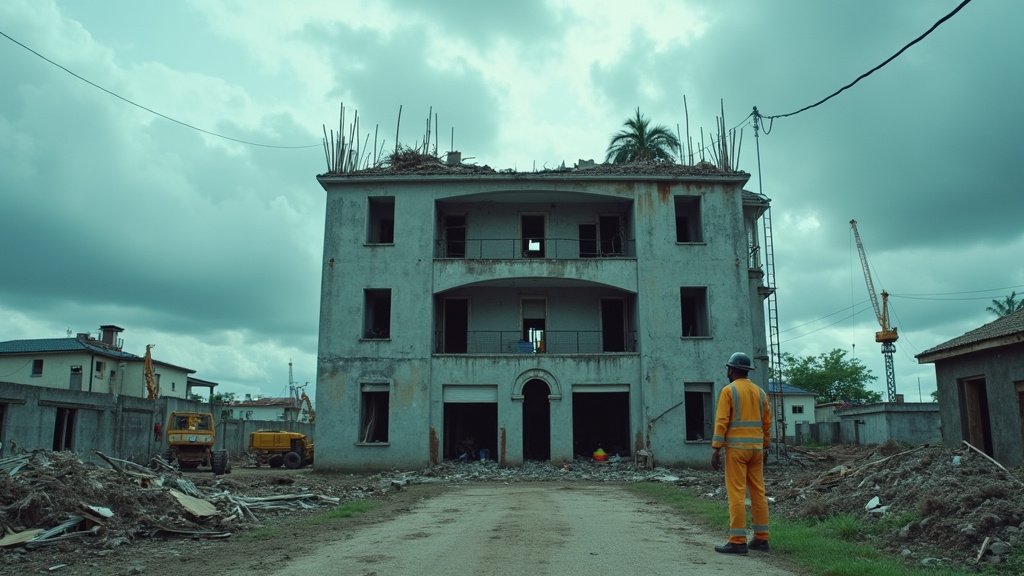
Jamaica faces a critical test. Reconstruction efforts after Hurricane Melissa are at risk. The nation’s ability to invest large sums is limited. This news comes from the Independent Fiscal Commission (IFC).
Hurricane Melissa struck Jamaica hard. It caused an estimated US$8.8 billion in damage. This figure represents about 41% of the country’s GDP. It was the costliest storm in Jamaican history. The hurricane killed 45 people. It also affected over 626,000 residents.
Infrastructure suffered immense damage. Roads, bridges, and power grids were hit hard. Many homes lost roofs. Western parishes endured weeks without electricity. Essential services faced prolonged disruptions. The tourism and agriculture sectors also saw severe damage. These are vital for Jamaica’s economy.
Fiscal Rules Suspended Amidst Recovery
Jamaica temporarily suspended its fiscal rules. This action followed Hurricane Melissa’s impact. The rules can be suspended until March 31, 2027. This move aims to support recovery efforts. International partners provided substantial funding. A US$6.7 billion package came from institutions like the IMF and World Bank. This support reflects global confidence in Jamaica’s governance.
Budget Performance Masks Weaknesses
The government reported better-than-expected budget performance. This occurred in the first half of the 2025/26 fiscal year. However, this success was due to under-spending. It was not due to improved project implementation capacity.
Central government capital spending fell short. It was nearly 46% below the budgeted amount. From April to September, only US$19.2 billion was spent. The original budget was US$35.5 billion. The wider public sector posted a surplus. It had US$22.9 billion instead of a planned deficit.
The Execution Gap
This pattern of under-spending is not new. It has happened in previous years. The IFC calls this a chronic issue. It suggests structural weaknesses in the state’s investment execution. Public procurement systems face inefficiencies and bottlenecks. These issues stifle critical project implementation.
Challenges for Future Growth
This persistent underspending has consequences. It weakens prospects for future economic growth. Higher tax revenues in the medium to long term are jeopardized. The IFC cautions against over-ambition when local capacity is limited.
Looking Ahead
The recovery will be protracted. Construction progress is slow. Financing and supply chain issues persist. Real economic growth is projected to decline by 4.3% for FY 2025/26. Public sector wage pressures add further fiscal risk.
Jamaica must address its execution capacity. Strengthening this area is crucial for rebuilding. It is also vital for long-term economic stability and growth. The nation’s resilience is being tested by this execution challenge.