
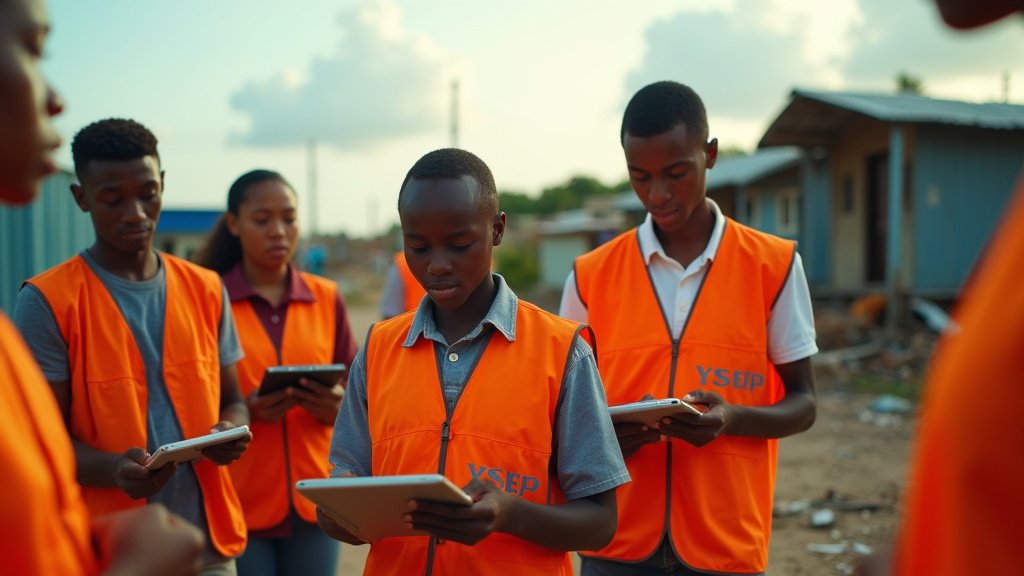
The Ministry of Local Government and Community Development is undertaking a crucial Jamaica Shelter Assessment to gauge the ongoing needs following Hurricane Melissa. On November 11, 2025, Minister Desmond McKenzie announced that 300 participants from the Youth Summer Employment Programme (YSEP) will be involved in this vital data-gathering mission, focusing on the requirement for emergency shelters. This initiative underscores a commitment to evidence-based decision-making in the Jamaica Shelter Assessment process and the broader post-disaster assessment landscape.
Hurricane Melissa’s Lingering Impact and Shelter Needs
The passage of Hurricane Melissa in late October 2025 inflicted catastrophic damage across Jamaica, leaving in its wake a trail of destruction that continues to challenge the island’s recovery. The storm, one of the most powerful to ever hit the region, resulted in 45 confirmed deaths and affected an estimated 1.6 million people, over half the national population. Widespread destruction of housing, livelihoods, and infrastructure left approximately 30,000 households displaced. Consequently, thousands of Jamaicans sought refuge in emergency shelters, a situation that persisted for weeks. As of early November 2025, even two weeks after the storm’s landfall, around 1,100 individuals remained in 88 operational shelters across nine parishes. Many of these shelters, often repurposed schools, have been instrumental in providing immediate safety, but their continued necessity requires careful evaluation as part of the overall Jamaica Shelter Assessment.
YSEP Mobilized for Crucial Data Collection in Jamaica Shelter Assessment
To address the ongoing shelter needs effectively, Minister of Local Government and Community Development, Hon. Desmond McKenzie, announced a strategic deployment of 300 YSEP workers for the Jamaica Shelter Assessment. During a special press briefing on November 11, 2025, Minister McKenzie explained that these young participants will undertake an “actual count” of individuals residing in the remaining shelters. This on-the-ground data collection is essential for determining which shelters can be safely closed and which must continue to operate to support displaced residents as part of the emergency shelter data collection. The initiative aims to provide the government with precise, up-to-date figures for the Jamaica Shelter Assessment, ensuring that relief efforts are targeted and responsive to genuine needs in the Hurricane Melissa aftermath.
The Youth Summer Employment Programme: A Proven Force for Jamaica Shelter Assessment
The Youth Summer Employment Programme (YSEP) has become a cornerstone initiative for empowering young Jamaicans and contributing to national development. Established in 2017, YSEP has, over its nine-year history, provided valuable work experience and earned income for over 50,000 young people across Jamaica. The program, often described as the largest of its kind in the Caribbean, places participants in various government ministries, departments, and agencies, including supporting the Ministry of Local Government. A significant aspect of YSEP’s mandate involves data collection and analysis, equipping youth with practical skills while simultaneously supporting crucial public service functions. Previous YSEP cohorts have been instrumental in auditing infrastructure, mapping roads, and collecting data points vital for improving government databases and service delivery, making them ideal candidates for this post-disaster assessment and a comprehensive Jamaica Shelter Assessment.
Data-Driven Recovery and Community Support in Jamaica
The success of disaster recovery hinges on accurate information, especially concerning disaster shelter needs. Minister McKenzie emphasized that the data gathered by the YSEP workers is paramount for conducting a necessary assessment and ensuring that relief supplies are allocated to those who genuinely require them. This meticulous data collection process is designed to work in tandem with the government’s broader recovery strategies, including the Temporary Housing Programme, which is a key component of community recovery efforts. This program aims to provide safe and dignified housing solutions for citizens displaced by Hurricane Melissa, moving beyond temporary shelter arrangements towards more stable living conditions. By understanding the precise needs within shelters through this Jamaica Shelter Assessment, authorities can more effectively transition residents to appropriate housing and resources, facilitating a smoother return to normalcy for affected communities and strengthening the Jamaica hurricane response.
Moving Forward: Rebuilding Lives and Communities through Jamaica Shelter Assessment
The deployment of YSEP workers for post-Hurricane Melissa data gathering represents a forward-thinking approach to disaster management in Jamaica, central to a thorough Jamaica Shelter Assessment. It not only leverages the energy and capacity of its youth but also reinforces the principle of making informed decisions based on real-time data. As recovery efforts continue, initiatives like this are crucial for rebuilding not just infrastructure, but also the social fabric of affected communities. The ongoing work of the Ministry of Local Government and Community Development, supported by programs like YSEP, aims to ensure that Jamaica emerges from this natural disaster stronger and more resilient, with a clear path toward sustained recovery and improved community well-being. This coordinated effort highlights the commitment to supporting every Jamaican as the nation rebuilds.