
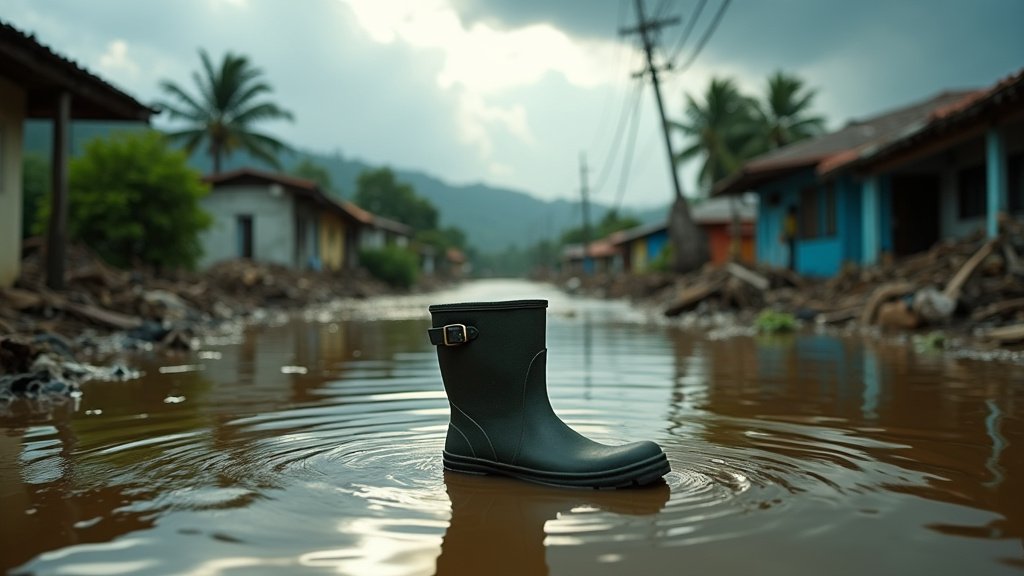
Jamaica is confronting a significant Jamaica Leptospirosis Outbreak following the destructive path of Hurricane Melissa. This alarming health crisis emerged in the wake of the Category 5 storm that battered the island in late October 2025, leaving behind extensive flooding and landslides that have created ideal conditions for this infectious disease. The current Jamaica Leptospirosis Outbreak represents a serious public health challenge for the nation.
Hurricane Melissa’s Devastation and the Jamaica Leptospirosis Outbreak
Hurricane Melissa made landfall on October 28, 2025, marking its place as the most powerful hurricane to ever impact Jamaica. With wind speeds reaching an astonishing 185 mph, the storm inflicted catastrophic damage across the island. Infrastructure losses were estimated to exceed $10 billion, with countless homes and buildings reduced to rubble. Critically, numerous health facilities also suffered severe damage or were rendered inoperable, disrupting essential healthcare services. Widespread power and communication outages, affecting approximately one-third of the island, exacerbated the crisis and isolated communities. In the immediate aftermath of the hurricane, the prime minister declared a national disaster, leading to the displacement of tens of thousands of residents. Tragically, the hurricane claimed 45 lives in Jamaica, underscoring the immense destructive power of the event and setting the stage for the subsequent Jamaica Leptospirosis Outbreak.
The Alarming Rise of Leptospirosis Post-Hurricane
The aftermath of Hurricane Melissa created a perfect storm for the proliferation of leptospirosis. Stagnant floodwaters, a direct consequence of the hurricane’s torrential rains, became breeding grounds for the bacteria responsible for this disease. Leptospira bacteria are commonly transmitted through the urine of infected animals, with rats being a frequent carrier, though dogs, cattle, and pigs can also spread the infection. The bacteria enter the human body typically through cuts in the skin or mucous membranes of the eyes, nose, or mouth, primarily via contact with contaminated water or soil. This is a primary concern during a post-hurricane outbreak.
An official Jamaica Leptospirosis Outbreak was declared on November 21, 2025, by Health Minister Dr. Christopher Tufton. At that time, nine cases had been confirmed, with an additional twenty-eight under investigation. By November 27, reports indicated a grim rise in fatalities, with 11 deaths by November 22, and some sources citing up to 14. Six of these deaths were confirmed post-hurricane. The number of confirmed cases also surged, reaching 90 by November 26; 51 cases predated the hurricane, while 39 occurred afterward. PCR testing remains the definitive method for confirming diagnosis during this critical Jamaica Leptospirosis Outbreak.
Affected Areas and Critical Leptospirosis Symptoms
The leptospirosis cases are particularly concentrated in several parishes, with St. James reporting the highest incidence. Other significantly affected areas include St. Ann, St. Elizabeth, Hanover, Trelawny, and Westmoreland. St. Mary and St. Catherine reported isolated cases. The widespread flooding caused by Hurricane Melissa facilitated the easy spread of the bacteria, significantly amplifying the risk of a widespread Jamaica Leptospirosis Outbreak. Cleanup and recovery efforts, while necessary, inadvertently increased exposure risks for farmers, cleanup crews, and first responders, making them particularly vulnerable to Jamaica leptospirosis.
Recognizing leptospirosis symptoms is crucial for early intervention. Symptoms typically manifest 7 to 14 days after exposure and often mimic influenza, including fever, headache, and muscle pain. More severe signs can include jaundice, vomiting, and abdominal pain. If left untreated, leptospirosis can lead to grave complications such as kidney failure, liver damage, meningitis, and severe bleeding. Prompt diagnosis and treatment with antibiotics are vital in managing the severity of the illness during this ongoing Jamaica Leptospirosis Outbreak.
Government Response and Jamaica Health Advisory
Jamaica’s Ministry of Health and Wellness is implementing a swift and comprehensive strategy to manage the escalating Jamaica Leptospirosis Outbreak. Public health teams are working tirelessly to contain the spread and mitigate severe illness. The official declaration of the outbreak serves to rapidly mobilize essential resources and signal the urgent need for coordinated action.
The health authorities are issuing direct warnings to residents, strongly advising against wading through floodwaters and consuming contaminated food or water. Essential protective measures include wearing sturdy boots and gloves, avoiding contact with wet soil and puddles, and ensuring consumption of only bottled or properly treated water. Frequent handwashing and disinfection of surfaces exposed to floodwater are also paramount. This robust jamaica health advisory is a key component in combating the Jamaica Leptospirosis Outbreak.
The nation’s health system is under considerable strain, with many health centers damaged by Hurricane Melissa. Temporary field hospitals have been established to augment capacity, and efforts are ongoing to restore primary healthcare services. The government is actively collaborating with various partners to enhance waste management and pest control strategies, crucial steps in preventing further spread of the disease. Public education campaigns are also being intensified to raise awareness about the risks and preventive measures associated with the Jamaica Leptospirosis Outbreak.
Tourist Safety Amidst the Jamaica Leptospirosis Outbreak
Reassuringly, Health Minister Dr. Christopher Tufton has confirmed that tourist facilities remain safe and adhere to required standards, with no advisories issued to deter tourism. The primary focus remains on alerting vulnerable communities and enhancing awareness among all individuals in Jamaica. This crucial information highlights the preventability and treatability of leptospirosis, emphasizing the critical role of early detection in survival during this challenging period. The ongoing response to the Jamaica Leptospirosis Outbreak prioritizes the well-being of both residents and visitors.
The situation is under continuous monitoring. While early indicators suggest a potential slowdown in the outbreak’s growth, it is too early to provide a definitive outlook. Jamaica is simultaneously navigating recovery from Hurricane Melissa’s immense destruction and addressing this critical health crisis. This experience underscores the profound vulnerability of nations to the interconnected threats of natural disasters and subsequent disease outbreaks, such as this significant Jamaica Leptospirosis Outbreak. The ongoing battle against this illness serves as a critical update on the nation’s resilience and public health efforts, especially in the context of a hurricane leptospirosis event.