
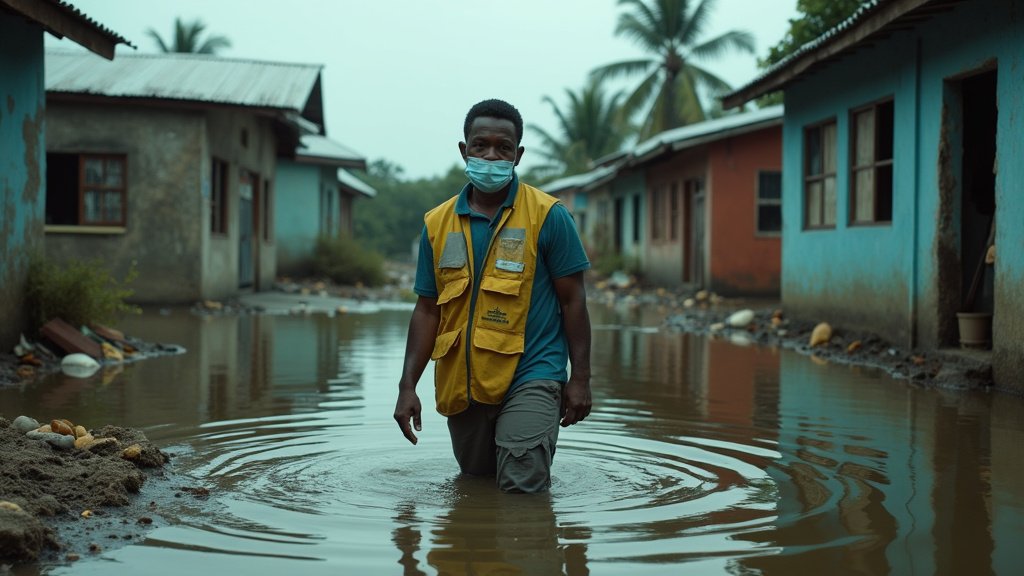
KINGSTON, JAMAICA – Jamaica is confronting a serious public health crisis as a **Jamaica Leptospirosis Outbreak**, directly linked to the widespread devastation caused by Hurricane Melissa, has led to multiple suspected deaths and dozens of confirmed and probable cases. Health officials have declared an official outbreak, urging heightened vigilance across the island in the wake of this **Jamaica Leptospirosis Outbreak**. The current situation highlights the critical need for public awareness regarding this significant **Jamaica Leptospirosis Outbreak**.
The Scale of the **Jamaica Leptospirosis Outbreak**
As of November 21, 2025, Jamaica has reported nine confirmed cases of leptospirosis, alongside 28 additional suspected or probable cases documented between October 30 and November 20. Tragically, six suspected deaths have been attributed to the bacterial infection, underscoring the severity of the situation and the immediate threat posed by this **Jamaica Leptospirosis Outbreak**. These figures represent a stark increase compared to typical monthly case numbers, which previously ranged between two and 21 between 2023 and October 2025. In November alone, 35 cases have been recorded, signaling a significant surge in this **Jamaica Leptospirosis Outbreak**.
The outbreak has impacted at least eight parishes, with St. James reporting the highest concentration of cases, including two deaths. Other affected parishes include St. Elizabeth, St. Catherine, Hanover, Westmoreland, Trelawny, St. Ann, and St. Mary. The severity of this **Jamaica Leptospirosis Outbreak** demands immediate attention and robust intervention.
Hurricane Melissa’s Lingering Threat and the **Jamaica Leptospirosis Outbreak**
The leptospirosis outbreak is a direct consequence of Hurricane Melissa, a catastrophic Category 5 storm that made landfall in Jamaica on October 28, 2025. The hurricane unleashed torrential rains, causing extensive flooding and landslides across the island, with some areas receiving up to 30 inches of rainfall. The extensive damage, including nearly 200,000 buildings affected and an estimated US$10 billion in damages, left behind vast pools of stagnant, contaminated water and widespread debris. These conditions have created an ideal breeding ground for Leptospira bacteria, which thrive in such environments and fuel the ongoing **Jamaica Leptospirosis Outbreak**. Understanding the **hurricane melissa aftermath** is crucial to grasping the root cause of this **waterborne disease outbreak**.
Understanding Leptospirosis: A **Jamaica Leptospirosis Outbreak** Concern
Leptospirosis is a bacterial infection transmitted to humans through water or soil contaminated with the urine of infected animals, most commonly rodents, but also cattle, pigs, and dogs. The bacteria can enter the body through minor breaks in the skin, such as cuts and scrapes, or through the eyes, nose, and mouth, making understanding **bacterial infection symptoms** crucial in this **Jamaica Leptospirosis Outbreak**. Recognizing the nuances of **Jamaica leptospirosis** transmission is key.
Initial symptoms often mimic those of the flu, including fever, headache, muscle aches, and chills. However, without prompt treatment, the disease can progress to severe and potentially fatal complications, including kidney failure, liver damage, meningitis, and severe internal bleeding. Recognizing these **bacterial infection symptoms** is vital during the **Jamaica Leptospirosis Outbreak**. Early detection of **Jamaica leptospirosis** can save lives.
Official Response and Public Health Measures for the **Jamaica Leptospirosis Outbreak**
In response to the escalating situation, Health Minister Dr. Christopher Tufton declared a leptospirosis outbreak, a crucial step that enables a faster, more coordinated public health response and unlocks vital resources for this **public health crisis Jamaica**. The Ministry of Health and Wellness has issued nationwide advisories urging residents to avoid wading in floodwaters, wear protective gear when handling debris, and practice stringent hygiene. This **Jamaica health alert** is a significant step in managing the situation.
Public health inspectors are on the ground, and a multi-agency approach involving government ministries, the private sector, and international partners, including the Pan American Health Organization (PAHO), is in effect. PAHO has provided crucial support by facilitating training for the National Public Health Laboratory on leptospirosis detection and supplying diagnostic kits and reagents to combat the **Jamaica Leptospirosis Outbreak**. The **post-hurricane health** challenges are being addressed through coordinated efforts.
Hospitals across Jamaica are equipped with necessary medicines, including antibiotics, to manage confirmed cases of **Jamaica leptospirosis**. The declaration of an outbreak also strengthens national surveillance systems to ensure efficient detection, treatment, and monitoring of cases related to this **waterborne disease outbreak**. This **Jamaica Leptospirosis Outbreak** requires comprehensive strategies.
Prevention and Vigilance During the **Jamaica Leptospirosis Outbreak**
Health officials emphasize that prevention is key to controlling the spread of leptospirosis. Residents are strongly advised to avoid contact with floodwaters and any soil that may be contaminated, especially in the **Hurricane Melissa aftermath**. Promptly cleaning and covering any wounds or abrasions is critical. Understanding **leptospirosis transmission** is paramount for effective prevention strategies.
Individuals experiencing symptoms such as fever, muscle pain, vomiting, or red eyes are urged to seek immediate medical attention, as early treatment significantly improves outcomes and reduces the risk of severe illness or death from **Jamaica leptospirosis**. Public health campaigns are also underway to educate communities on risk factors, symptoms, and protective measures, aiming to counter misinformation and encourage timely care during this **public health crisis Jamaica**. Continued vigilance is essential to mitigate the impact of this **Jamaica Leptospirosis Outbreak**.
As Jamaica continues its recovery from the immense destruction wrought by Hurricane Melissa, the nation faces the persistent threat of waterborne diseases. This developing news story highlights the critical need for continued vigilance, robust public health efforts, and community cooperation to overcome this significant post-disaster challenge and manage the **Jamaica Leptospirosis Outbreak** effectively. Addressing the **post-hurricane health** implications, including this **waterborne disease outbreak**, is a national priority.