
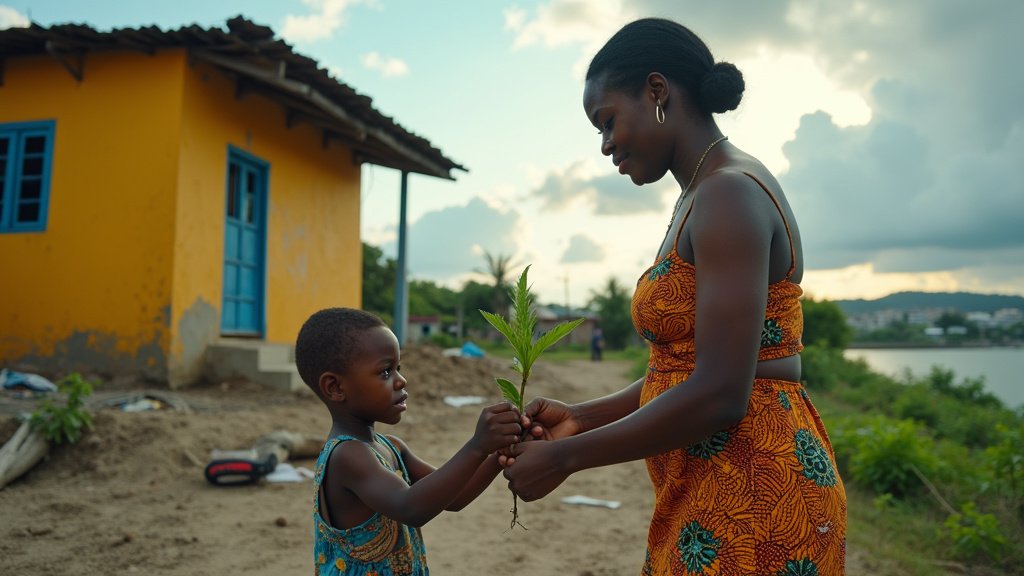
Jamaica’s Resilient Rebuild: Moving from Hurricane Melissa’s Survival to Long-Term Sustainability
KINGSTON, JAMAICA – Weeks after Jamaica Hurricane Melissa, a catastrophic Category 5 storm, ravaged the island, Jamaica is strategically shifting its focus from immediate survival to forging a path of long-term sustainability and resilience. The nation, reeling from the most powerful hurricane in its recorded history, is now grappling with the monumental task of rebuilding, not just structures, but futures, with an emphasis on robust preparedness and enduring recovery following Jamaica Hurricane Melissa.
The Unprecedented Devastation of Jamaica Hurricane Melissa
Hurricane Melissa, which made landfall on October 28, 2025, unleashed winds of up to 185 mph and torrential rains, leaving a trail of destruction across Jamaica’s western and southern parishes. The storm’s fury resulted in catastrophic damage, with over 122,000 dwellings demolished or severely damaged and nearly 1.6 million people affected by Hurricane Melissa. The island’s vital infrastructure bore the brunt of the impact: power and communication lines were decimated, roads became impassable due to an estimated 4.8 million tonnes of debris, and essential services like water, hospitals, and clinics faced severe disruption. Tragically, the human cost was also immense, with at least 48 confirmed deaths in Jamaica and 15 individuals still missing, according to early reports from the Jamaica Hurricane Melissa impact. The immediate aftermath saw thousands displaced, with many families seeking refuge in shelters as recovery efforts commenced.
Economic Repercussions Ripple Through the Nation Following Jamaica Hurricane Melissa
The economic fallout from Jamaica Hurricane Melissa is profound, striking at the heart of Jamaica’s key sectors. The agricultural sector, a bedrock of the island’s economy, suffered devastating losses, with estimates reaching J$29.5 billion. This included damage to 41,390 hectares of farmland, affecting over 70,000 farmers and leading to the loss of more than 1.25 million animals. Tourism, a crucial revenue generator accounting for approximately 40% of Jamaica’s GDP, also experienced a significant hit due to Jamaica Hurricane Melissa, with immediate cancellations and a projected slowdown in growth. The broader economic impact of Jamaica Hurricane Melissa is projected to be severe, with some analyses warning of potential recessions, widespread unemployment, and strain on financial institutions, placing heavy pressure on public borrowing for recovery efforts. Preliminary assessments suggest road infrastructure damage alone could reach J$35 billion, a direct consequence of Jamaica Hurricane Melissa.
From Survival to Sustained Recovery: A New Focus on Jamaica Hurricane Melissa
In the wake of Jamaica Hurricane Melissa, Jamaica’s national response has evolved beyond immediate relief to embrace long-term sustainability. Led by agencies like the Office of Disaster Preparedness and Emergency Management (ODPEM) and supported by international partners such as the UNDP and various NGOs, the focus is on efficient and meaningful aid that fosters self-sufficiency. This includes providing “starter kits” for small livelihoods—tools, seeds, and equipment—to enable individuals and communities to rebuild with dignity and economic independence [1, initial context]. The government has allocated J$5 billion for emergency infrastructure repairs, prioritizing roads and drainage systems, while emphasizing the need to “build back better”. This strategic shift aims to not only restore what was lost but also to enhance the nation’s capacity to withstand future shocks, a critical endeavor for Jamaica’s long-term economic recovery and the viability of its businesses in the aftermath of Jamaica Hurricane Melissa.
Building Resilience for Future Challenges: Post-Jamaica Hurricane Melissa
Recognizing Jamaica’s high vulnerability to natural hazards, resilience-building is now a central pillar of national development, especially after Jamaica Hurricane Melissa. This involves significant investments in climate resilient infrastructure, such as reinforced seawalls, improved drainage networks, and sustainable construction standards, alongside the exploration of nature-based solutions for coastal protection. Policy frameworks like the National Disaster Management Act and Vision 2030 Jamaica underscore the integration of disaster risk reduction into all facets of development planning. Public-private partnerships are being encouraged to mobilize capital, share expertise, and accelerate recovery while ensuring local participation and long-term sustainability. The goal is to create a nation where preparedness is a continuous investment, not merely a reactive measure following a disaster like Jamaica Hurricane Melissa.
The Unseen Scars: Psychological and Community Healing Post-Jamaica Hurricane Melissa
Beyond the visible destruction caused by Jamaica Hurricane Melissa, the storm has left deep psychological scars. The trauma of such a powerful storm can lead to prolonged anxiety, grief, and stress, impacting mental well-being for years to come. Addressing this invisible toll is paramount to comprehensive recovery from Jamaica Hurricane Melissa. Efforts are underway to deploy mental health professionals, provide psychological first aid, and create safe, nurturing spaces for all citizens, especially children, to process their experiences. Community cohesion and mutual support are vital components of this healing process, reinforcing the idea that true recovery from Jamaica Hurricane Melissa is a collective endeavor.
A Path Forward After Jamaica Hurricane Melissa
Jamaica Hurricane Melissa presented Jamaica with its most severe test in decades, exposing vulnerabilities but also illuminating the nation’s unwavering spirit. The transition from survival to a focus on long-term sustainability, bolstered by international cooperation and innovative recovery strategies for Jamaica Hurricane Melissa, signals a commitment to a more resilient future. The news from Jamaica underscores the critical need for continued support, strategic investment in disaster risk reduction, and a unified approach to rebuilding stronger, safer, and more sustainable communities in the wake of Jamaica Hurricane Melissa. The journey ahead is arduous, but the determination to rise from the devastation and emerge more resilient than before is palpable across the island, offering hope for its business and its people in the face of future storms, a crucial lesson learned from Jamaica Hurricane Melissa.