
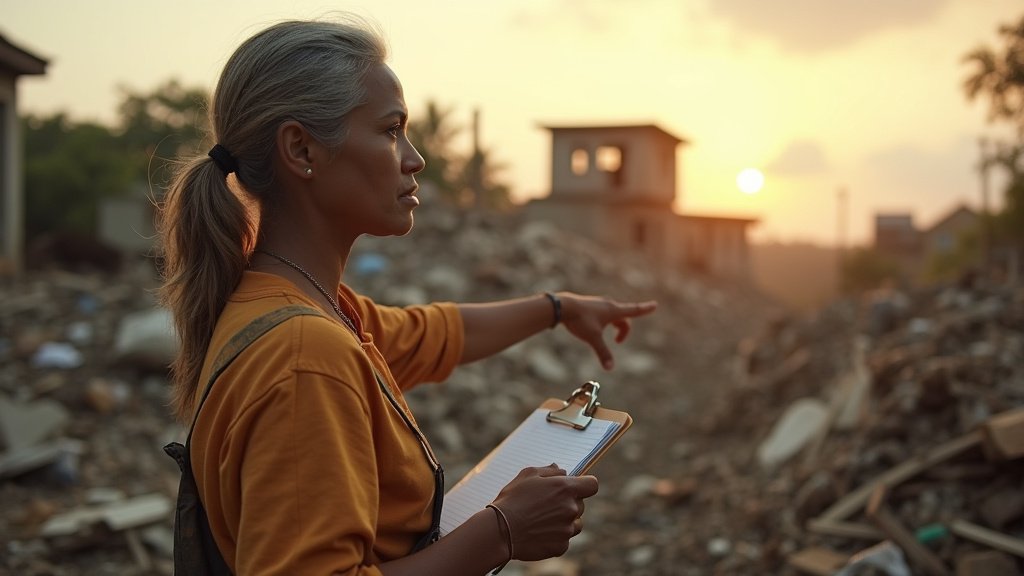
Three weeks after Hurricane Melissa unleashed its catastrophic fury upon western Jamaica, the nation finds itself at a critical juncture, grappling with a disaster of unprecedented scale. The Category 5 storm, the most intense ever recorded to make landfall on the island, has left a landscape scarred by devastation, underscoring an urgent need for a paradigm shift from immediate relief to truly competent and sustainable recovery efforts following Jamaica Hurricane Melissa.
An Island Scarred: The Scale of Hurricane Melissa’s Wrath in Jamaica
On October 28, 2025, Hurricane Melissa made landfall with winds exceeding 185 mph, unleashing not only immense wind damage but also torrential rainfall and life-threatening storm surges. The impact of Jamaica Hurricane Melissa has been devastating: 45 confirmed deaths and 15 individuals still missing, with over 1.6 million people affected. The destruction of homes is widespread, with tens of thousands of dwellings damaged and entire communities decimated, some reporting up to 90 percent of buildings impacted. The economic fallout is staggering, with initial government estimates placing direct damages between US$6 billion and US$7 billion, representing a significant portion of Jamaica’s GDP. Some analyses suggest total losses could even exceed US$20 billion. Agricultural losses alone are estimated at J$20 billion (approximately US$130 million), striking at the heart of the nation’s food security and livelihoods, highlighting the severe Jamaica infrastructure damage.
The Immediate Aftermath of Jamaica Hurricane Melissa: A Herculean Task of Restoration
The immediate aftermath has been characterized by a race against time to restore basic services and provide aid following Jamaica Hurricane Melissa. Over 4.8 million tonnes of debris now litter the landscape, blocking roads, access to critical facilities, and hindering the delivery of essential supplies. Power outages and communication failures have compounded the isolation, creating prolonged silences in affected communities. Many areas remain cut off, with two communities in St. Elizabeth and Westmoreland accessible only by air, and concerns linger about renewed rainfall re-isolating areas due to unstable infrastructure. The damage to key facilities, including warehouses, further complicates the supply chain and response efforts in the Hurricane Melissa aftermath.
Beyond Relief: The Imperative for Competent Recovery in Jamaica
While immediate relief efforts, spearheaded by government agencies, local organizations like the United Way of Jamaica, and international partners, are crucial, the conversation is increasingly shifting towards the long-term, competent recovery required. This includes addressing the multifaceted challenges of rebuilding infrastructure, restoring livelihoods, and tending to the profound psychological toll of Jamaica Hurricane Melissa.
Rebuilding Infrastructure and Livelihoods Post-Hurricane Melissa
The destruction of homes and businesses necessitates a comprehensive rebuilding strategy that goes beyond mere restoration following Jamaica Hurricane Melissa. The call for competence in post-Melissa Jamaica implies an approach that prioritizes climate-resilient design and robust construction standards to withstand future extreme weather events, supporting climate resilience Jamaica. Furthermore, the backbone of many affected communities – agriculture and small businesses – requires targeted support. Initiatives to provide seeds, fertilizer, and tools are underway, but a sustainable economic recovery demands integrated programs that support farmers, fishers, and local entrepreneurs, potentially through public employment and cash-for-work schemes as part of post-disaster rebuilding.
Health, Well-being, and the Invisible Wounds of Jamaica Hurricane Melissa
The physical health impact is being addressed through the deployment of medical teams and temporary facilities, with international aid bolstering these efforts. However, the psychological toll of Hurricane Melissa cannot be overstated. The loss of homes, loved ones, and a sense of security has left deep emotional scars, manifesting as anxiety, grief, and post-traumatic stress. The “environmental grief” described by psychologists – distress from seeing cherished environments damaged beyond recognition – highlights the complex healing required. Experts emphasize that mental health support must be integrated into all phases of recovery, not relegated to an afterthought, contributing to a robust community resilience plan.
Coordination and Governance: The Linchpin of Success for Jamaica Hurricane Recovery
Effective recovery hinges on robust coordination and transparent governance in the wake of Jamaica Hurricane Melissa. The sheer volume of international aid and the number of organizations involved necessitate streamlined communication and collaboration to avoid duplication of efforts and ensure resources reach those most in need. This requires strong leadership and clear strategic planning, a core component of what is implied by a “call for competence.” Public-private partnerships and innovative financing models are also identified as crucial for mobilizing the substantial resources required for long-term rebuilding, crucial for the Jamaica hurricane recovery.
Building Back Stronger: A Vision for Resilient Jamaica Post-Hurricane Melissa
The news surrounding Hurricane Melissa’s aftermath presents a stark reminder of Jamaica’s vulnerability to climate change. Therefore, the rebuilding process must embrace a “Build Strong / Build Forward” strategy, aligning with climate resilience principles and fostering sustainable recovery efforts and community development. This entails not only repairing what was lost but transforming it into something more resilient and adaptable to the escalating climate crisis. The integration of local culture and community-led initiatives will be paramount in fostering a genuine and lasting recovery from Jamaica Hurricane Melissa.
The path ahead for Jamaica is undoubtedly challenging, marked by the immense task of healing and rebuilding following Jamaica Hurricane Melissa. The “call for competence” in this critical news cycle is not merely about logistical efficiency; it is a demand for strategic foresight, effective collaboration, and a profound commitment to ensuring that Jamaica emerges from this devastation not just rebuilt, but stronger and more resilient for the future, considering the significant economic impact Jamaica faces.